Calvin's Crack
16.2950°N 86.5600°W · wall
Calvin’s Crack
A deep fissure cutting into Roatán’s southwest wall, similar in character to Mary’s Place but with a more concentrated vertical crack leading to an advanced-depth wall face.
Overview
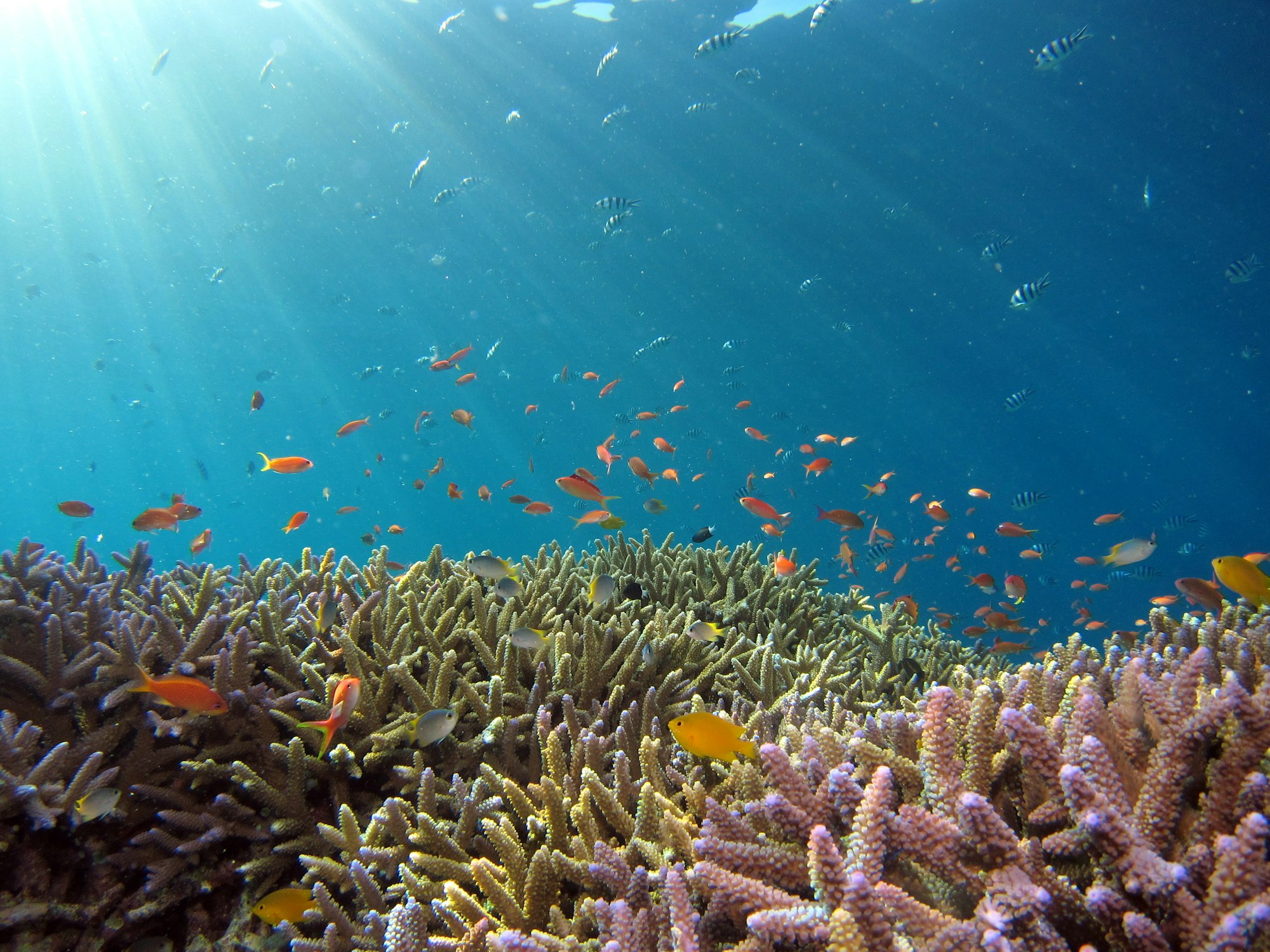
Calvin’s Crack is a wall dive site on the south side of Roatán, featuring a vertical fissure cut into the reef wall that opens onto the main drop-off. The crack descends from the reef top at around 8 meters to a depth of 35 meters where it opens to the wall face. The fissure walls are coated with black coral at the deeper sections and encrusted with various sponge species throughout. The site attracts divers seeking a less crowded alternative to the famous Mary’s Place, sharing similar dramatic topography with a more intimate, less touristy feel. Visibility is excellent at 25–35 meters. Water temperature averages 27–29°C year-round.
Site Information
- Location: Southwest coast of Roatán, Bay Islands, Honduras
- Entry Type: Boat dive
- Site Type: Wall dive
- Difficulty Level: Advanced
- Maximum Depth: 35 meters
- Typical Visibility: 25–35 meters (80–115 feet)
- Current: Moderate; can be stronger on the south wall
- Best Time: Year-round; calmer in winter months
Marine Life
The fissure walls host black coral trees growing at recreational diving depths, a feature that distinguishes the Roatán wall system from many other Caribbean destinations. Sea fans of various species fill the crack at mid-depth. Spotted drums are found at the junction between the crack and the main wall. Eagle rays appear in the open water alongside the wall face. Caribbean reef sharks patrol the deeper sections. Large groupers and cubera snappers take up residence in the deeper crack sections. Nurse sharks rest in crevices along the crack walls. The shallower reef top above the crack entrance has the typical Roatán mix of parrotfish, angelfish, and turtle encounters.
Dive Profile
Navigate from the boat mooring to the crack entrance at 8–10 meters on the reef top. Descend inside the crack, keeping the fissure walls within reach. The crack narrows and widens at various points — wide sections allow comfortable descent while narrower sections require careful buoyancy to avoid touching the walls. The crack opens to the main wall face at 25–30 meters. Spend time on the main wall before ascending back through the crack or making an open-water ascent with SMB. Reserve adequate gas for a 3–5 minute safety stop at 5 meters.
Entry and Exit
Operated by West End and French Harbour dive operators. Permanent mooring at the site. Entry via giant stride. Ascent via crack (follow your entry route) or open-water with SMB deployment.
Tips
- Buoyancy control is critical inside the crack — neutral buoyancy prevents both reef damage and sediment disturbance
- The narrower sections require divers to pass singly rather than in pairs — communicate with your buddy beforehand
- Descend at a controlled pace — the depth increases quickly inside the crack and it is easy to exceed planned depth
- This is an excellent second visit to the Roatán south wall for divers who have already done Mary’s Place
- Bring a dive torch to illuminate the interior walls in the deeper, darker sections of the crack
Safety
Advanced rating due to depth and the enclosed fissure system. Good buoyancy control is non-negotiable to protect the black coral and to avoid silting the crack. Monitor depth closely — the crack leads to deeper water faster than expected. Keep track of your buddy’s position when in the narrower sections. Always carry an SMB. Current on the south wall can be significant — check conditions with your operator beforehand.
Photography
The fissure walls covered in black coral at recreational depth are exceptional photography subjects. Wide-angle shots up through the crack toward the blue surface create dramatic compositions. A torch or video light is needed to illuminate the interior at depth. Eagle rays on the main wall are the outstanding open-water subject. Frame the fissure entrance from outside looking in for a perspective shot that conveys the site’s scale.
Sea-surface temperature and wave height from Open-Meteo Marine (ERA5 reanalysis, monthly averages).
531 verified species observations (254 species) logged within ~11 km of this site between 1911 and 2023, from the Ocean Biodiversity Information System.
- Pterois · lionfish
- Gambusia nicaraguensis
- Palatogobius grandoculus
- Poecilia orri
- Lipogramma evides · banded basslet
- Gnatholepis thompsoni · goldspot goby
- Epigonidae
- Gobiomorus dormitor
- Phaeoptyx
- Gerres cinereus
- Mugil curema
- Lutjanus apodus
Scientific survey records skew toward sampled taxa (molluscs, corals) and do not reflect what you are guaranteed to see on a dive.
Source: OBIS (obis.org), aggregated Darwin Core occurrence records.
Conditions change with the tide and the season. If you have dived this site, share what it was actually like — date, visibility, current, and what you saw. Real, recent reports from divers are exactly what this guide is built to collect.
Send a conditions report ›