Marilyn's Mystery
16.2681°N 86.6037°W · reef
Marilyn’s Mystery is a reef dive site in Roatán, Caribbean.
Overview
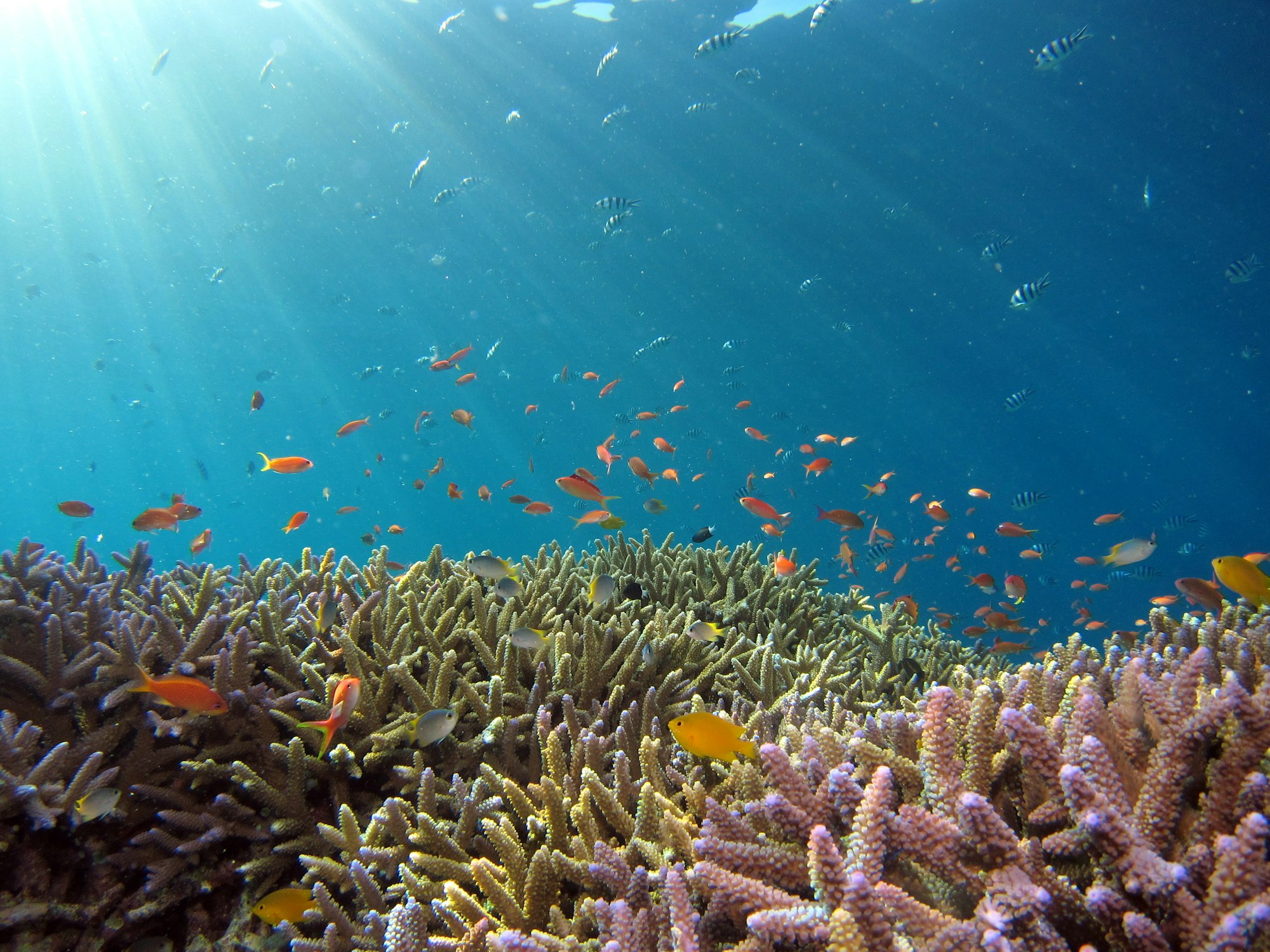
Marilyn’s Mystery is one of the Roatan Marine Park’s named dive moorings along the West Bay reef, supported by the park’s donor-funded conservation program. Individual details for this site are not widely published, but it shares the characteristics of the broader West Bay corridor: a gentle reef with coral gardens and sandy channels at 18 meters maximum depth. Green and hawksbill turtles, southern stingrays, parrotfish, and blue tangs are among the regular inhabitants. Visibility typically sits between 20 and 30 meters, with year-round water temperatures of 26-29 degrees Celsius.
Site Information
- Location: Roatán, Caribbean
- Entry Type: Boat dive
- Site Type: Reef
- Difficulty Level: Beginner
- Maximum Depth: 18 meters
Dive Profile
The site offers a gentle reef terrain suitable for relaxed exploration. Begin your dive along the reef top and navigate through coral formations and sandy patches. The most abundant marine life is typically found between 5-18 meters. Take your time to explore cleaning stations and look for camouflaged creatures in the sand.
Photography
The colorful reef structures offer excellent macro photography opportunities. Look for small critters hiding among coral heads and anemones. Wide-angle shots work well to capture the vibrant reef landscape and schooling fish.
Sea-surface temperature and wave height from Open-Meteo Marine (ERA5 reanalysis, monthly averages).
441 verified species observations (212 species) logged within ~11 km of this site between 1911 and 2023, from the Ocean Biodiversity Information System.
- Pterois · lionfish
- Gambusia nicaraguensis
- Palatogobius grandoculus
- Poecilia orri
- Epigonidae
- Lipogramma evides · banded basslet
- Gnatholepis thompsoni · goldspot goby
- Malacoctenus macropus · rosy blenny
- Phaeoptyx
- Lutjanus apodus
- Malacoctenus erdmani · imitator blenny
- Bathygobius soporator
Scientific survey records skew toward sampled taxa (molluscs, corals) and do not reflect what you are guaranteed to see on a dive.
Source: OBIS (obis.org), aggregated Darwin Core occurrence records.
Conditions change with the tide and the season. If you have dived this site, share what it was actually like — date, visibility, current, and what you saw. Real, recent reports from divers are exactly what this guide is built to collect.
Send a conditions report ›