Overheat Reef
16.3234°N 86.5829°W · reef
Overheat Reef
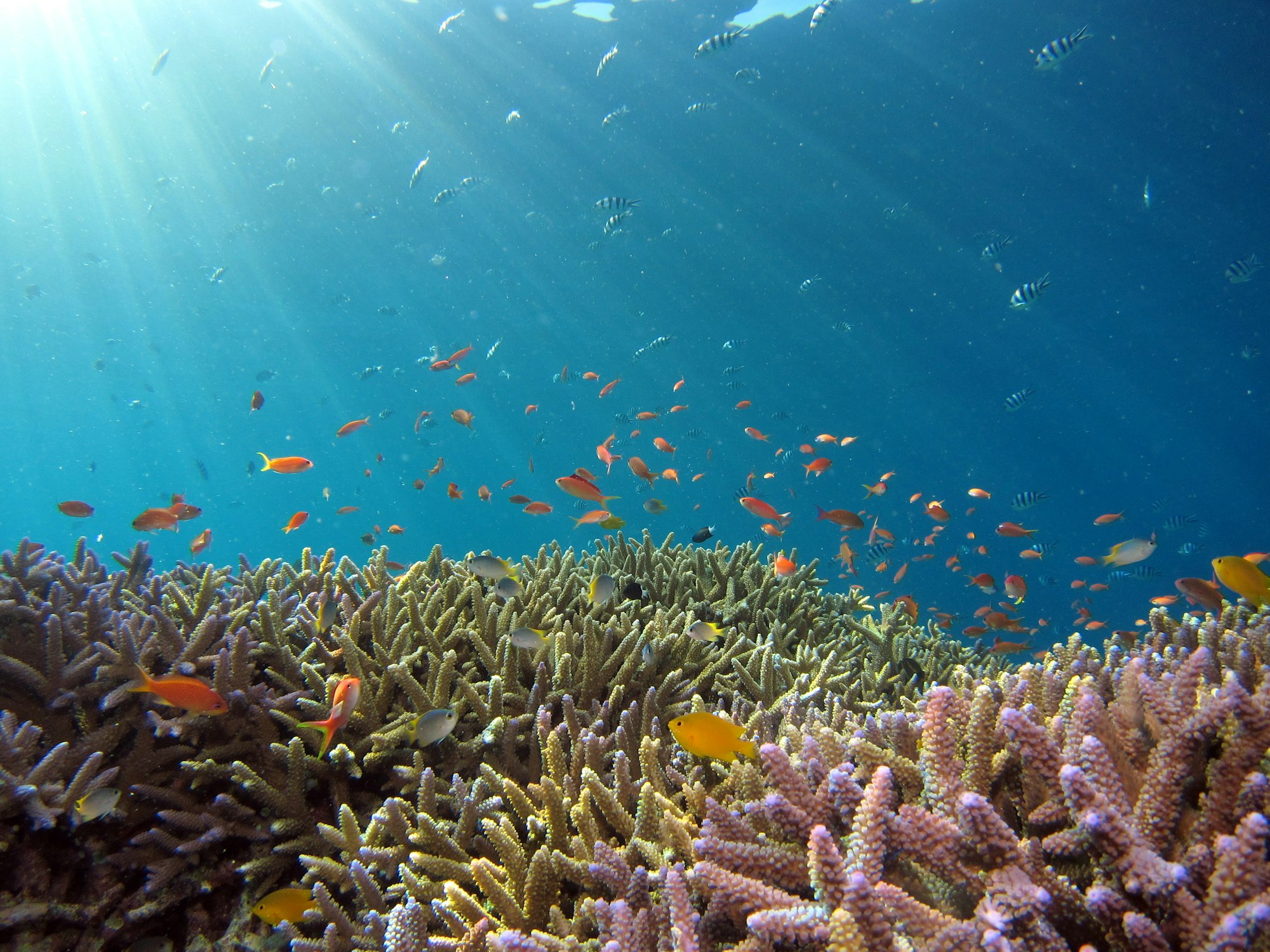
A shallow coral garden on Roatán’s north side, offering colorful reef diving accessible to beginners and those seeking a relaxed surface interval complement to deeper wall dives.
Overview
Overheat Reef is a shallow coral reef site on the northern coast of Roatán, positioned in the calmer, more sheltered waters compared to the southwest wall sites. The reef sits at 5–15 meters over a mixed hard coral, soft coral, and sandy bottom. The site is accessible to beginners and is commonly used as a second dive following a morning wall or wreck dive. The north side of Roatán tends to have slightly less dramatic topography than the south-side walls, but compensates with excellent coral health and dense fish populations. Visibility averages 20–25 meters. Water temperatures stay at 27–29°C year-round.
Site Information
- Location: North coast of Roatán, Bay Islands, Honduras
- Entry Type: Boat dive
- Site Type: Reef
- Difficulty Level: Beginner
- Maximum Depth: 15 meters
- Typical Visibility: 20–25 meters (65–80 feet)
- Current: Minimal to light
- Best Time: Year-round; north side can be choppy in strong norther weather events (December to February)
Marine Life
The shallow reef supports a classic Roatán fish community. Parrotfish in multiple species graze actively. French and grey angelfish are resident. Spotted eagle rays cross the sandy sections. Nurse sharks rest under ledges. Hawksbill turtles make regular appearances. Schools of blue tang and surgeonfish move in groups over the reef surface. Garden eels extend from the sandy border. Moray eels inhabit crevices. This is a good site for observing cleaning stations — look for fish hovering in a slightly tilted, stationary posture indicating they are being cleaned.
Dive Profile
A relaxed, exploratory dive over the shallow reef. Descend to the reef crest at 5–6 meters and follow the contour, dropping to the sandy patches at 12–15 meters. Navigate slowly over the reef terrain, pausing at prominent coral structures. Extended bottom times of 60–70 minutes are achievable. No safety stop required given the maximum depth. The site is easy to navigate without a guide, though having one enhances the experience.
Entry and Exit
Served by West End and Sandy Bay dive operators. Entry via giant stride from the dive boat. The mooring is located in moderate depth, with a short swim to the reef structure.
Tips
- A comfortable, pressure-friendly second dive after a deeper first dive
- Good site for underwater photography practice without depth pressure
- Ask your guide about the location of resident nurse sharks — a few predictable individuals are known to local operators
- The sandy areas between reef sections are worth checking carefully for spotted eagle rays
- Night dives on shallow reefs like this reveal octopus, lobster, and sleeping parrotfish
Safety
Minimal hazards. Fire coral is present — the white, branching variety that stings on contact. Sea urchins inhabit the sandy-reef border. Maintain buoyancy to avoid accidental reef contact. Boat traffic in the area is light but carry an SMB regardless.
Photography
Excellent shallow reef photography conditions. Natural light at 5–15 meters allows effective photography without strobes during morning hours. Wide-angle reef scenes with abundant fish life are the primary subject. Macro opportunities include flamingo tongues on sea fans, Christmas tree worms, and gobies on sponge surfaces.
Sources: Coconut Tree Divers – Roatan Dive Sites, CoCo View Resort – Dive Sites, Splash Inn Dive Resort – Roatan Diving Sites, Roatan-Diving.com – Dive Sites, Octopus Dive School – Roatan Dive Sites. Last updated 2026-06-27.
Sea-surface temperature and wave height from Open-Meteo Marine (ERA5 reanalysis, monthly averages).
523 verified species observations (255 species) logged within ~11 km of this site between 1911 and 2023, from the Ocean Biodiversity Information System.
- Pterois · lionfish
- Gambusia nicaraguensis
- Palatogobius grandoculus
- Poecilia orri
- Lipogramma evides · banded basslet
- Gnatholepis thompsoni · goldspot goby
- Epigonidae
- Gobiomorus dormitor
- Phaeoptyx
- Gerres cinereus
- Lutjanus apodus
- Malacoctenus erdmani · imitator blenny
Scientific survey records skew toward sampled taxa (molluscs, corals) and do not reflect what you are guaranteed to see on a dive.
Source: OBIS (obis.org), aggregated Darwin Core occurrence records.
Conditions change with the tide and the season. If you have dived this site, share what it was actually like — date, visibility, current, and what you saw. Real, recent reports from divers are exactly what this guide is built to collect.
Send a conditions report ›