Shallow Snorkel
16.3025°N 86.5982°W · reef
Shallow Snorkel is a reef dive site in Roatán, Caribbean.
Overview
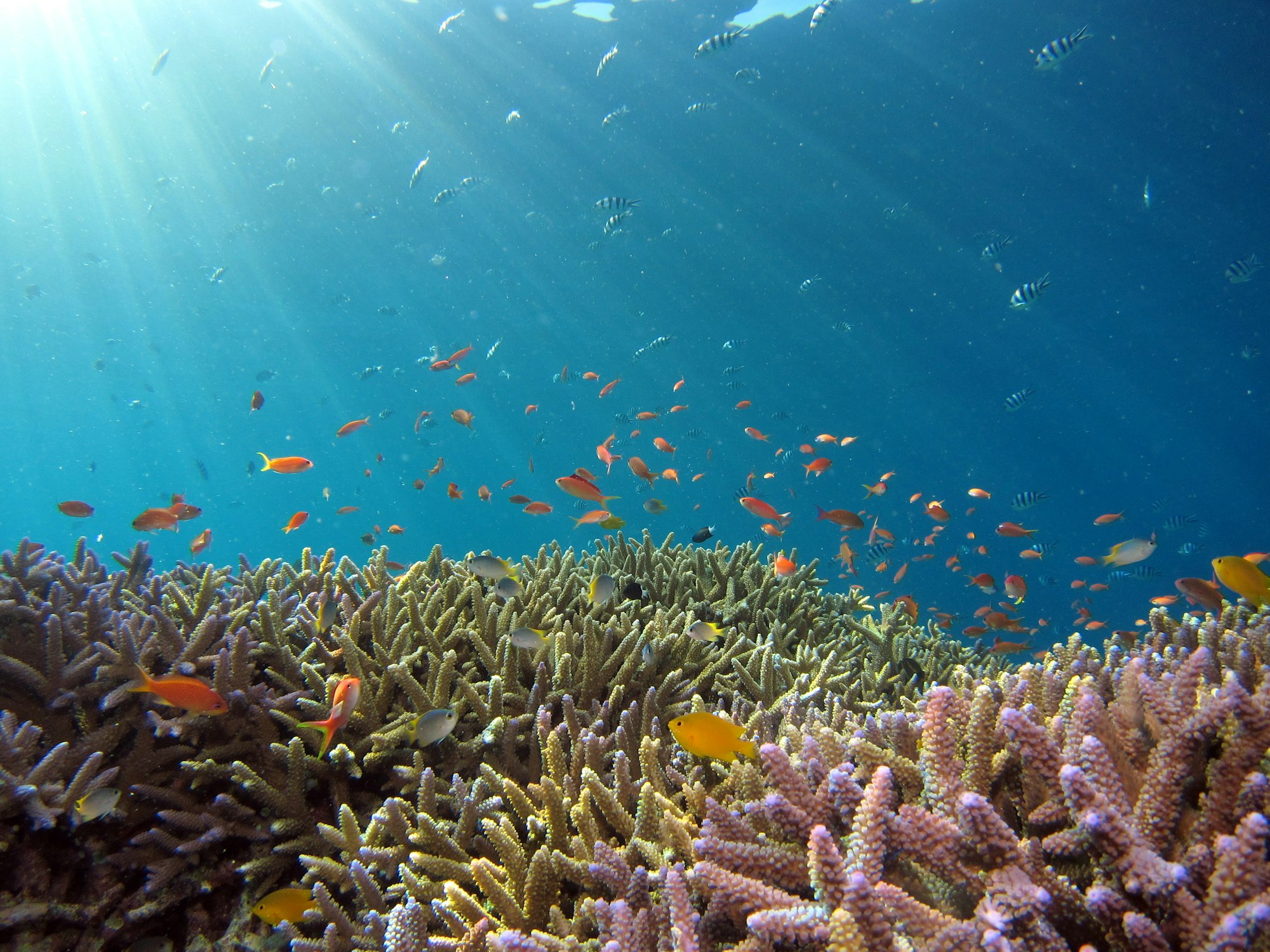
Shallow Snorkel is exactly what the name promises: a very shallow reef area in the West End designed for snorkeling and introductory diving in just a few meters of water. The reef here is alive with the colorful activity of damselfish, wrasses, and juvenile angelfish darting among the coral heads. Sea fans and soft corals provide cover for arrow crabs and banded coral shrimp, while the sandy gaps between formations are home to garden eels and the occasional peacock flounder. Shore entry makes access simple, and the calm, protected waters mean conditions are suitable even on days when the outer wall sites see current or surge.
Site Information
- Location: Roatán, Caribbean
- Entry Type: Shore entry
- Site Type: Reef
- Difficulty Level: Beginner
- Maximum Depth: 6 meters
Dive Profile
The site offers a gentle reef terrain suitable for relaxed exploration. Begin your dive along the reef top and navigate through coral formations and sandy patches. The most abundant marine life is typically found between 5-18 meters. Take your time to explore cleaning stations and look for camouflaged creatures in the sand.
Photography
The colorful reef structures offer excellent macro photography opportunities. Look for small critters hiding among coral heads and anemones. Wide-angle shots work well to capture the vibrant reef landscape and schooling fish.
Sea-surface temperature and wave height from Open-Meteo Marine (ERA5 reanalysis, monthly averages).
502 verified species observations (259 species) logged within ~11 km of this site between 1911 and 2023, from the Ocean Biodiversity Information System.
- Pterois · lionfish
- Gambusia nicaraguensis
- Palatogobius grandoculus
- Poecilia orri
- Epigonidae
- Lipogramma evides · banded basslet
- Gnatholepis thompsoni · goldspot goby
- Malacoctenus macropus · rosy blenny
- Phaeoptyx
- Lutjanus apodus
- Malacoctenus erdmani · imitator blenny
- Bathygobius soporator
Scientific survey records skew toward sampled taxa (molluscs, corals) and do not reflect what you are guaranteed to see on a dive.
Source: OBIS (obis.org), aggregated Darwin Core occurrence records.
Conditions change with the tide and the season. If you have dived this site, share what it was actually like — date, visibility, current, and what you saw. Real, recent reports from divers are exactly what this guide is built to collect.
Send a conditions report ›