Spooky Channel
16.3394°N 86.5645°W · cave
Spooky Channel
A dark, narrow canyon and cavern system on Roatán’s north reef, with atmospheric overhangs and dense concentrations of nocturnal fish species.
Overview
Spooky Channel earns its name from the atmospheric, twilight-like conditions inside its narrow canyon and cavern passages. Located on the north side of Roatán, the site features a series of overhangs, swim-throughs, and cavern-like recesses cutting through the reef structure at depths of 10–29 meters. Unlike true cave diving, Spooky Channel maintains natural daylight references throughout — but the narrow passages and dark overhangs create dramatic low-light conditions that concentrate fish species normally associated with deeper or nocturnal habitats. It is a favorite site among experienced divers seeking a different character than the open wall dives of the south side.
Site Information
- Location: North coast of Roatán, Bay Islands, Honduras
- Entry Type: Boat dive
- Site Type: Cave/cavern
- Difficulty Level: Advanced
- Maximum Depth: 27 meters
- Typical Visibility: 20–28 meters (65–90 feet)
- Current: Variable; can funnel through narrow sections
- Best Time: Year-round; the atmospheric character of the site is independent of season
Marine Life
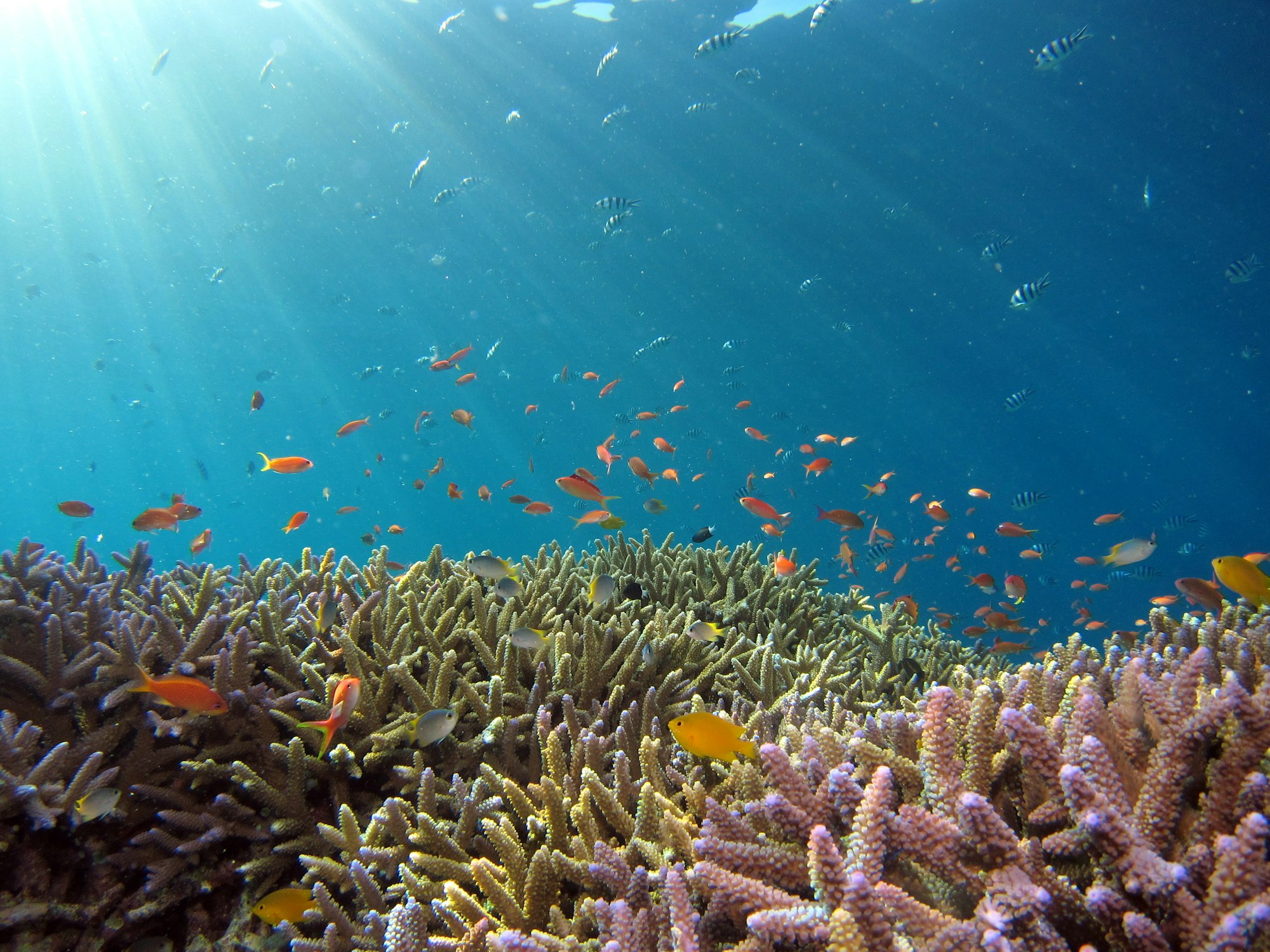
Spooky Channel’s defining marine life feature is the concentration of species that shelter in low-light environments. Glassy sweepers — small, translucent schooling fish — pack the interior in shimmering silver clouds. Soldierfish and squirrelfish emerge from the darker overhangs. Spotted drums, which favor shadowed areas beneath coral formations, are reliably found inside the channel. Large nurse sharks rest motionless on the sandy floor of the deeper cavern sections. Spiny lobsters are abundant in every suitable crevice. The exterior faces of the canyon walls host sea fans, encrusting sponges, and wire corals. Hawksbill turtles are seen on the exterior reef above the channel.
Dive Profile
Descend to the channel entrance on the reef surface and follow the cave system downward. The cavern passages range from wide enough for two divers side by side to single-diver-width swim-throughs. Navigate through the channel passages, pausing to let eyes adjust to the low light inside. The deepest sections reach 29 meters. Exit the channel onto the main wall face or return through the entrance, depending on the dive plan. Ascend with SMB to the safety stop at 5 meters.
Entry and Exit
Served by West End and Sandy Bay operators. Entry via giant stride from the dive boat. Bring a dive torch — navigation inside the channel passages requires it.
Tips
- Absolutely bring a dive torch — the channel interiors are dark enough to require artificial light to safely navigate
- Buddy communication before entering is critical — agree on hand signals for stop, turn around, and emergency
- Enter the channel calmly and let suspended sediment settle before following the leader in
- The exterior reef above the channel is an excellent shallow area for the safety stop
- Night dives on the exterior reef above Spooky Channel are particularly active — the site rewards a return visit after dark
Safety
Advanced dive due to depth, confined passages, and low light. This is cavern diving, not true cave diving — natural light is always visible — but the same discipline applies: never proceed without a clear exit route. Carry a dive torch as primary navigation equipment. Tight passages require solo-file passage; never crowd with buddies in narrow sections. Good buoyancy is essential to avoid silting the channel. Always dive with a buddy who stays at the entrance when you proceed inside.
Photography
Spooky Channel is one of Roatán’s most atmospheric photography sites. The contrast between the dark interior passages packed with glassy sweepers and the bright water beyond the opening creates compelling compositions. Shoot from inside the channel looking toward the channel entrance with blue water framing. Video lights significantly enhance the experience. Nurse shark portraits on the sandy floor are classic shots.
Sources: Coconut Tree Divers – Roatan Dive Sites, CoCo View Resort – Dive Sites, Splash Inn Dive Resort – Roatan Diving Sites, Roatan-Diving.com – Dive Sites, Octopus Dive School – Roatan Dive Sites. Last updated 2026-06-27.
Sea-surface temperature and wave height from Open-Meteo Marine (ERA5 reanalysis, monthly averages).
534 verified species observations (257 species) logged within ~11 km of this site between 1911 and 2023, from the Ocean Biodiversity Information System.
- Pterois · lionfish
- Gambusia nicaraguensis
- Palatogobius grandoculus
- Poecilia orri
- Lipogramma evides · banded basslet
- Gnatholepis thompsoni · goldspot goby
- Epigonidae
- Gobiomorus dormitor
- Phaeoptyx
- Gerres cinereus
- Mugil curema
- Lutjanus apodus
Scientific survey records skew toward sampled taxa (molluscs, corals) and do not reflect what you are guaranteed to see on a dive.
Source: OBIS (obis.org), aggregated Darwin Core occurrence records.
Conditions change with the tide and the season. If you have dived this site, share what it was actually like — date, visibility, current, and what you saw. Real, recent reports from divers are exactly what this guide is built to collect.
Send a conditions report ›