Texas
16.2750°N 86.5200°W · reef
Texas
A productive reef dive on Roatán’s south side, offering wide, diverse coral formations and reliable encounters with schooling fish and resident turtles.
Overview
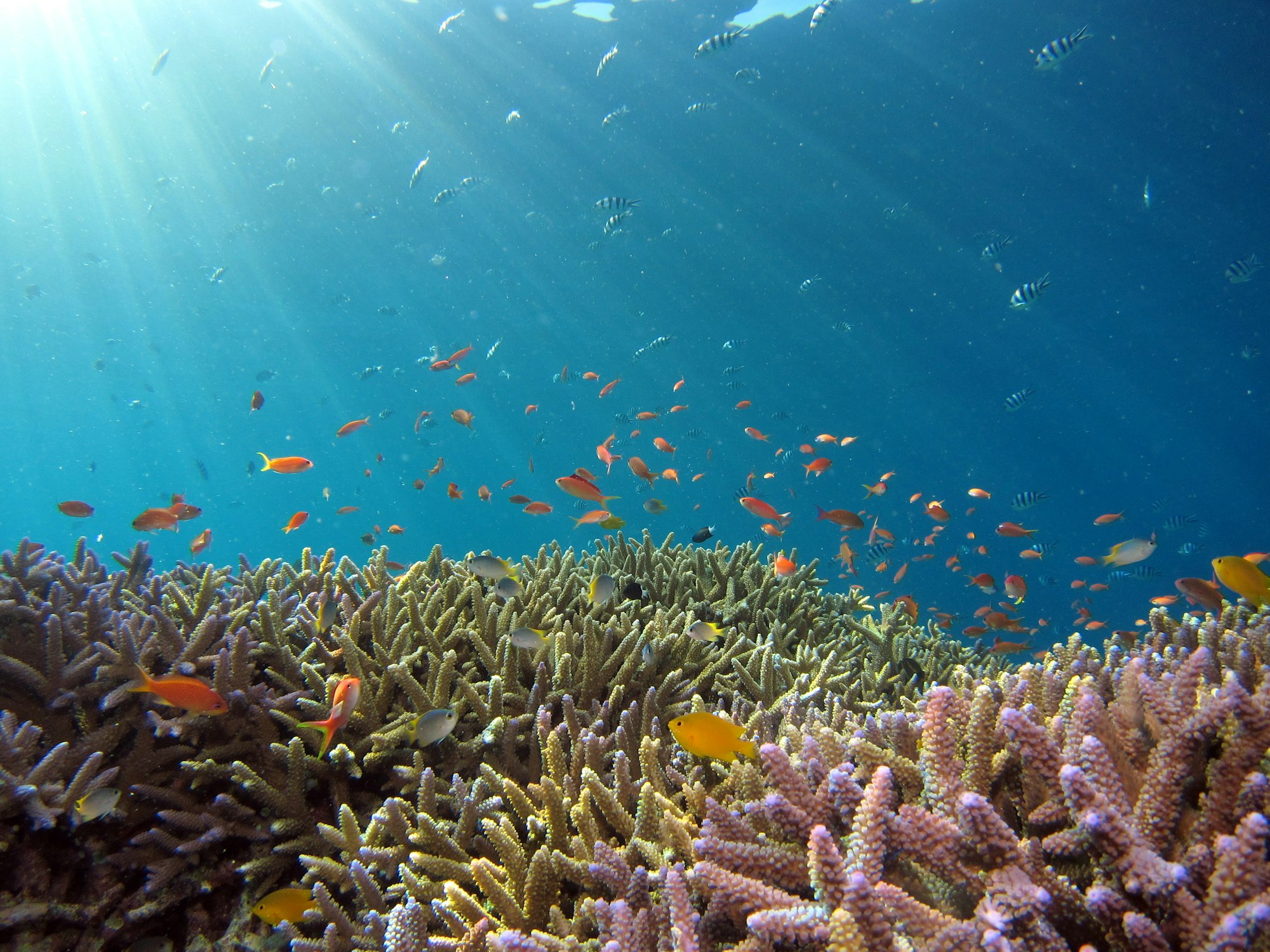
Texas is a reef dive site on the south coast of Roatán, positioned between the deeper wall sites to the west and the offshore bank sites to the east. The site features a broad, flat reef platform at 10–18 meters characterized by large star coral formations, brain corals, and extensive hard coral coverage interspersed with sandy channels. The name evokes the site’s broad, open character relative to the narrower walls and cracks of nearby sites. Texas is appreciated as a laid-back reef dive with good fish diversity and manageable depth, often used as an afternoon second dive following a morning wall or wreck trip. Visibility averages 20–28 meters.
Site Information
- Location: South coast of Roatán, Bay Islands, Honduras
- Entry Type: Boat dive
- Site Type: Reef
- Difficulty Level: Intermediate
- Maximum Depth: 18 meters
- Typical Visibility: 20–28 meters (65–90 feet)
- Current: Light to moderate; can run along the reef flats
- Best Time: Year-round
Marine Life
Texas has impressive hard coral coverage that supports a dense fish community. Large Nassau groupers — benefiting from Roatán’s dive-only zone protections — are seen here in good numbers. Hawksbill turtles are common, often seen feeding directly on sponges growing in the reef flats. Southern stingrays glide across the sandy corridors between coral sections. Eagle rays appear seasonally. Schools of yellowtail snappers hover above the coral structures. Horse-eye jacks patrol the water column. Spotted drums shelter beneath coral overhangs. The sandy channels are productive hunting grounds for spotted moray eels. Flamingo tongues feed actively on sea fans in the shallower sections.
Dive Profile
Descend to the reef top at 10–12 meters and explore the broad reef flat. Follow the sandy channels between coral formations, dropping occasionally to 15–18 meters in the deeper corridors. The reef extends in multiple directions — a circular route around a central large coral formation makes for a good dive structure. Bottom times of 50–60 minutes are achievable. Complete the safety stop hovering above the shallowest coral heads.
Entry and Exit
Served by West End, West Bay, and French Harbour operators. Mooring at the site. Entry via giant stride. Standard boat operations.
Tips
- Walk the sandy channels between coral formations slowly to spot stingrays, moray eels, and spotted scorpionfish camouflaged against the sand
- The larger brain coral and star coral formations are home to cleaning stations — look for parrotfish or groupers hovering at unusual angles being serviced
- Texas works well as a two-dive day combined with the adjacent Butcher Bank (offshore) for a contrasting pelagic experience
- This site is excellent for underwater naturalist observation — the broad, undisturbed reef allows long observations of natural behavior
- Bring a macro attachment lens for the sea fan section at the shallower end of the reef
Safety
Manageable intermediate dive. Current can run across the reef flat on occasions — adjust your dive plan to navigate cross-current if needed. The maximum depth of 18 meters leaves adequate bottom time for thorough exploration. Sea urchins in sand patches and fire coral on reef edges are the main contact hazards. Always carry an SMB.
Photography
Texas is a versatile reef photography site. The broad, flat reef in good light conditions allows wide-angle reef landscapes with sweeping coral formations. Turtle portraits in the open reef are well-lit and spacious. The sandy channels offer excellent stingray and eagle ray shots in clear, bright conditions. Macro subjects include flamingo tongues, Christmas tree worms, and small gobies on sponge surfaces.
Sources: Coconut Tree Divers – Roatan Dive Sites, CoCo View Resort – Dive Sites, Splash Inn Dive Resort – Roatan Diving Sites, Roatan-Diving.com – Dive Sites, Octopus Dive School – Roatan Dive Sites. Last updated 2026-06-27.
Sea-surface temperature and wave height from Open-Meteo Marine (ERA5 reanalysis, monthly averages).
504 verified species observations (238 species) logged within ~11 km of this site between 1911 and 2023, from the Ocean Biodiversity Information System.
- Pterois · lionfish
- Gambusia nicaraguensis
- Poecilia orri
- Palatogobius grandoculus
- Epigonidae
- Lipogramma evides · banded basslet
- Gobiomorus dormitor
- Gnatholepis thompsoni · goldspot goby
- Malacoctenus macropus · rosy blenny
- Phaeoptyx
- Malacoctenus erdmani · imitator blenny
- Bathygobius soporator
Scientific survey records skew toward sampled taxa (molluscs, corals) and do not reflect what you are guaranteed to see on a dive.
Source: OBIS (obis.org), aggregated Darwin Core occurrence records.
Conditions change with the tide and the season. If you have dived this site, share what it was actually like — date, visibility, current, and what you saw. Real, recent reports from divers are exactly what this guide is built to collect.
Send a conditions report ›