Dom João de Castro Bank
38.2167°N 26.6333°W · pinnacle
Dom João de Castro Bank
The only seamount in the Atlantic with shallow-water hydrothermal activity — an underwater volcano between Terceira and São Miguel, now a Protected Marine Area.
Overview
Dom João de Castro Bank is the only seamount in the Atlantic Ocean with energetic shallow-water hydrothermal activity and the only Atlantic seamount classified as a Protected Marine Area (IUCN wilderness designation, 2011, covering 16.31 km²). Located between São Miguel and Terceira islands on the Terceira Rift, the seamount rises from 1,000 metres depth to a summit 13 metres below the surface. At the summit sits a caldera approximately 300–600 metres in diameter, with the interior floor at 50 metres depth.
A fumarole field of approximately 1,600 m² occupies the northwestern sector of the caldera (16–45 m depth), releasing gas and warm fluid visible as bubbles from the surface. Scientific literature identifies two hydrothermal zones: a white zone with high hydrogen sulphide and methane content, and a yellow zone characterised by elevated iron and manganese. Reported temperatures vary by source: one peer-reviewed study reports the white zone at ~37°C and the yellow zone at ~60°C; another study reports higher values of ~39°C (bleached areas) and ~83°C (yellowish areas). The discrepancy likely reflects measurement methodology and temporal variability.
An eruption in December 1720 briefly created an island — locally called ‘Ilha Nova’ (New Island) — approximately 1.5 km long and 250 m high, which marine erosion destroyed within two years. Additional seismic activity was recorded in 1997. The site sits roughly equidistant between São Miguel and Terceira; boat transit takes 110–160 minutes depending on departure port — from Praia da Vitória or Angra do Heroísmo on Terceira, or from Ponta Delgada on São Miguel — making this an expedition dive.
Site Information
- Location: Between São Miguel and Terceira, ~37 NM from Terceira Island
- Entry Type: Boat dive
- Site Type: Pinnacle/seamount
- Difficulty Level: Advanced
- Maximum Depth: 60 meters
- Typical Visibility: 30–50 meters (exceptional — fumarole bubbles enhance clarity)
- Current: Moderate to strong
- Best Time: June to September
Marine Life
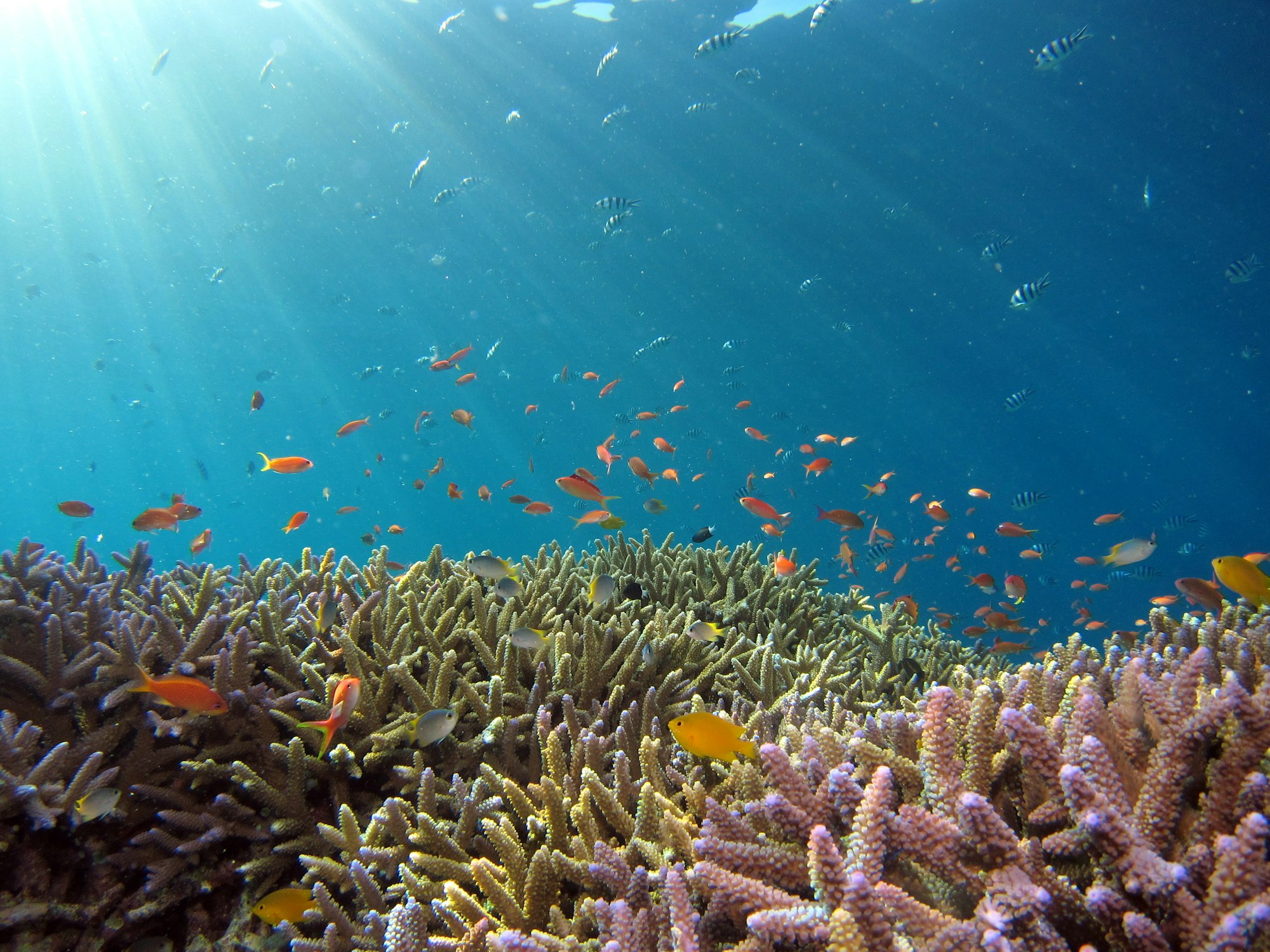
Wahoos, yellowmouth barracuda, Atlantic bonito, Almaco jacks, Bermuda chubs, Spanish mackerel, loggerhead turtles, and devil rays. Giant oceanic manta rays have been observed at this site. A unique hydrothermal-adapted mollusc community has been documented in peer-reviewed oceanographic literature; approximately 220 species have been recorded in the broader bank area.
Tips and Recommendations
- The only shallow-water hydrothermal seamount in the Atlantic
- Two hydrothermal zones with visually distinct colours — white (high H₂S) and yellow (high Fe and Mn) — approximately 50 m apart; temperatures reported at 37–83°C (sources vary)
- Protected Marine Area — no anchoring; mooring buoy required
- 110–160 minute boat ride from Terceira (Praia da Vitória or Angra do Heroísmo) or São Miguel (Ponta Delgada) — true expedition diving; weather-dependent
- The caldera erupted in 1720 and briefly formed a visible island
Sources: dive.visitazores.com, Wikipedia – Dom João de Castro Bank, Portugal Dive, Santos et al. (2010), Oceanography. Last updated 2026-07-17.
Sea-surface temperature and wave height from Open-Meteo Marine (ERA5 reanalysis, monthly averages).
2440 verified species observations (162 species) logged within ~11 km of this site between 1971 and 2014, from the Ocean Biodiversity Information System.
- Calonectris borealis
- Katsuwonus pelamis
- Larus michahellis
- Puffinus gravis
- Delphinus delphis
- Stenella frontalis
- Sterna
- Thunnus albacares
- Thunnus obesus
- Tursiops truncatus
- Sphyraena viridensis
- Mesoplodon
Scientific survey records skew toward sampled taxa (molluscs, corals) and do not reflect what you are guaranteed to see on a dive.
Source: OBIS (obis.org), aggregated Darwin Core occurrence records.
Conditions change with the tide and the season. If you have dived this site, share what it was actually like — date, visibility, current, and what you saw. Real, recent reports from divers are exactly what this guide is built to collect.
Send a conditions report ›