Bari Reef
12.1675°N 68.2872°W · reef
Bari Reef
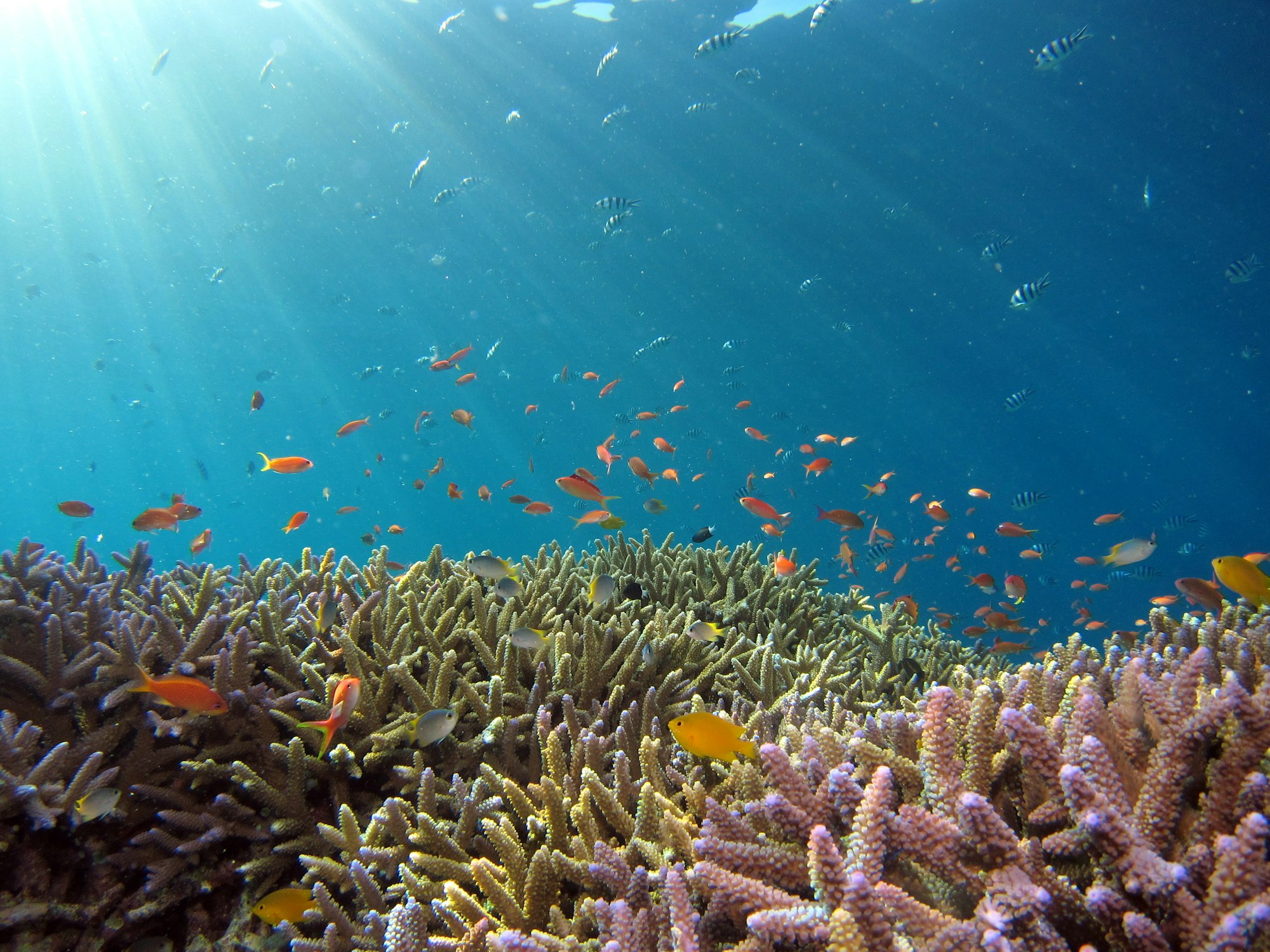
House reef of the Sand Dollar Resort just north of Kralendijk — ranked #1 in the Caribbean for fish diversity by REEF.org survey data, with hundreds of species recorded.
Overview
Bari Reef is the house reef of Sand Dollar Resort on Bonaire’s central west coast, just north of Kralendijk. It has a strong claim as the highest-fish-diversity dive site in the Caribbean: REEF.org volunteer surveys have logged 300+ species here, with some counts going considerably higher. The site is also notably easy — calm conditions, gentle slope, sandy entry — which makes it accessible for divers of all levels and ideal as a first or warm-up dive on the island.
Site Information
- Location: Just north of Kralendijk, Sand Dollar Resort house reef
- Entry Type: Shore entry
- Site Type: Reef
- Difficulty Level: Beginner
- Maximum Depth: 30 meters
- Typical Visibility: 20–30 meters
- Current: Usually light
- Best Time: All day; dawn and dusk are particularly active
Marine Life
The high fish count is what defines Bari Reef. Tarpon greet divers in the shallows, particularly on early or late dives. Resident species include yellowhead jawfish, frogfish (find them on sponges), octopus, queen and French angelfish, large schools of chromis, parrotfish, and grunts. Eels — green and spotted moray, goldentail — are common. Macro subjects are abundant. The site is excellent for night diving, when octopus, lobsters, and tarpon become more active.
Dive Profile
Enter from the sand and follow the reef edge that runs parallel to shore. The slope begins around 6–8 meters and continues down past 30 meters. Most marine life is concentrated in the 6–20 meter range, making this an ideal long, shallow dive. Plan a relaxed pace — Bari rewards careful observation more than distance covered.
Entry and Exit
Sandy beach entry at Sand Dollar Resort. Easy on/off with no rocks or surf to navigate. Exit at the same location. The reef is close enough to shore that air management is rarely an issue.
Tips
- Slow down and look — this is a species-spotting dive
- Bring a fish ID slate or memory; the diversity is the experience
- Night dives are particularly rewarding for tarpon, octopus, and squid
- Excellent for trying out new camera setups or first Bonaire dives
Safety
A genuinely benign site. Watch boat traffic when surfacing — the marina and dock areas are close. Otherwise the calm, shallow profile makes this one of Bonaire’s easiest dives.
Photography
Macro photography excels here given the species density. Wide-angle works for tarpon in the shallows, particularly on dawn/dusk dives. Strobes recover color on the slope.
Nearby Sites
Buddy’s Reef, La Machaca, and Cliff are within walking or short driving distance along the same coast. Something Special — the muck/critter dive — is also nearby.
Sources: InfoBonaire – Bari Reef / Sand Dollar, Scuba Diving Magazine – Bari Reef, Bonaire Island – Bari Reef, REEF.org Volunteer Fish Survey. Last updated 2026-05-16.
Sea-surface temperature and wave height from Open-Meteo Marine (ERA5 reanalysis, monthly averages).
2136 verified species observations (196 species) logged within ~11 km of this site between 1930 and 2019, from the Ocean Biodiversity Information System.
- Eretmochelys imbricata · Hawksbill sea turtle
- Caretta caretta · Loggerhead sea turtle
- Pterois · lionfish
- Scarus taeniopterus
- Chelonia mydas · Green sea turtle
- Scarus vetula
- Sparisoma viride
- Microspathodon chrysurus
- Cephalopholis cruentata
- Lutjanus apodus
- Haemulon flavolineatum
- Acanthurus coeruleus
Scientific survey records skew toward sampled taxa (molluscs, corals) and do not reflect what you are guaranteed to see on a dive.
Source: OBIS (obis.org), aggregated Darwin Core occurrence records.
Conditions change with the tide and the season. If you have dived this site, share what it was actually like — date, visibility, current, and what you saw. Real, recent reports from divers are exactly what this guide is built to collect.
Send a conditions report ›