Karpata
12.2193°N 68.3521°W · wall
Karpata
The northernmost accessible shore dive before the Washington Slagbaai National Park reserve — a pristine reef wall dropping to 40 metres, with steep buttresses, sand channels, and a reliable turtle population in the shallows.
Overview
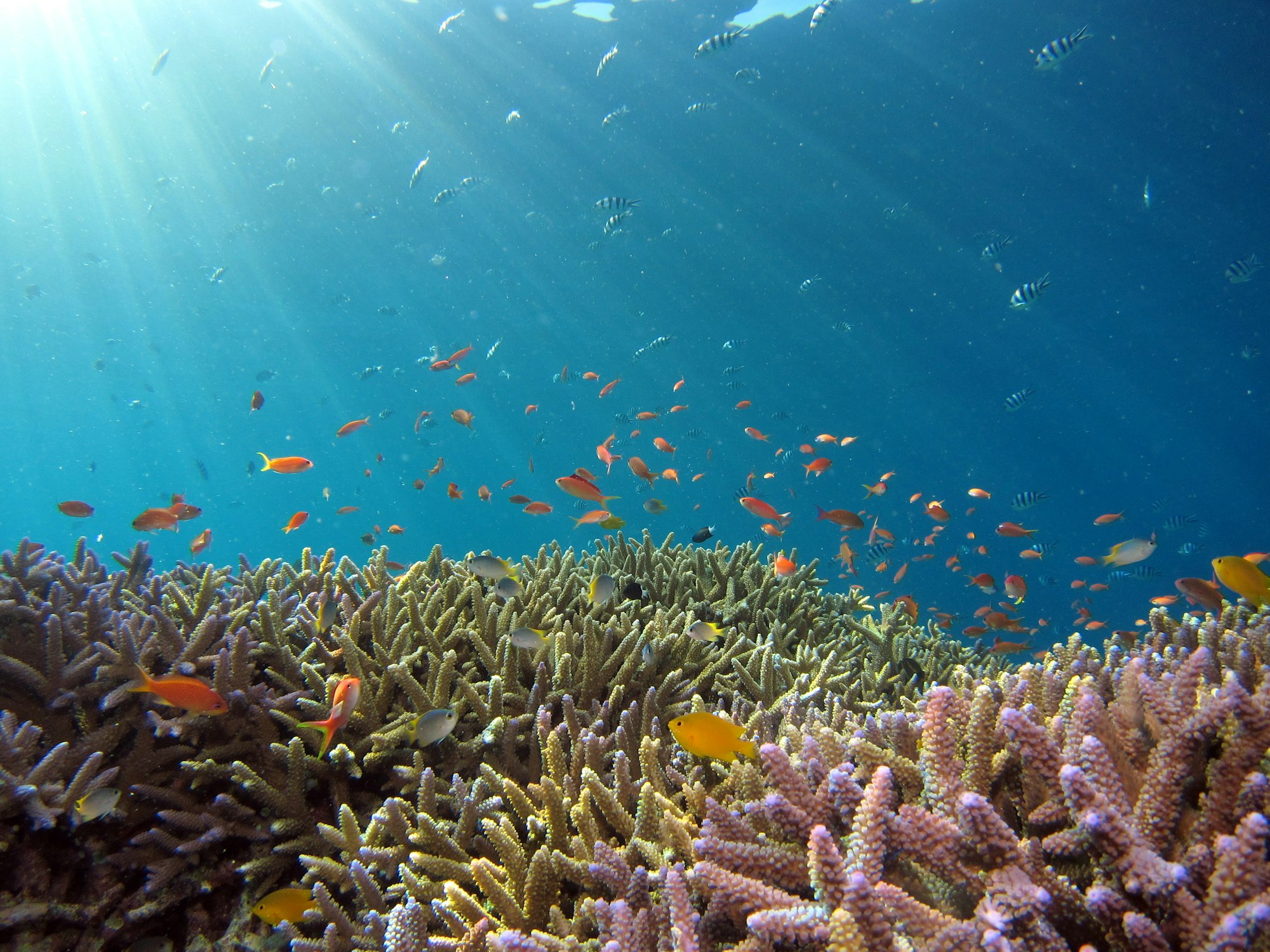
Karpata (BNMP #9) is widely regarded as one of Bonaire’s finest dive sites and the last readily-accessible shore dive before the King Willem-Alexander Reserve begins. The reef here is exceptionally healthy — decades of protection and relatively light visitor traffic compared to the central west coast have left the coral buttresses dense and colourful. The underwater topography is dramatic: steep wall ridges drop from a shallow terrace at 7 metres down to a sandy plateau at around 35–40 metres, with sand channels running between coral buttresses all the way down. The site has a reputation for turtle sightings; most are found on the left (south) side of the site between 5 and 12 metres, where they graze on sponges on the shallow wall faces. The entry and exit over the rocky shoreline via a concrete platform require care, particularly when there is any surge.
Site Information
- Location: North Bonaire, BNMP Site #9 — northernmost major shore site before the reserve
- Entry Type: Shore entry
- Site Type: Wall dive
- Difficulty Level: Intermediate
- Maximum Depth: 40 meters
- Typical Visibility: 20–30 metres (average 25 m)
- Current: Usually light; check before diving
- Best Time: Morning
Marine Life
Turtles are the headline species at Karpata — multiple individuals are commonly seen in the 5–12 metre zone on the south side. Barracuda, eagle rays, parrotfish, and various angelfish are regular sightings. Frogfish and octopus inhabit the coral structure. Tarpons pass through the shallow terrace. Moray eels, lobsters, and cowfish are found in the reef crevices. The dense, varied hard and soft coral cover supports a wide range of reef fish throughout the dive.
Dive Profile
Entry over the concrete platform — fill your BCD with air, sit on the edge, and time the entry with wave sets. Once in, the shallow terrace begins immediately and the reef face is visible from the surface. Turn left (south) after entry to access the best turtle habitat at 5–12 metres. The wall drops progressively through coral buttresses and sand channels to the sandy plateau at 35–40 metres. Plan a standard out-and-return profile or explore a single buttress top-to-bottom and back. Most of the interesting life is in the 8–25 metre range.
Entry and Exit
The concrete platform entry requires timing between wave sets and confident water handling — this is not an easy-splash entry. Exit involves floating back over the rocky bottom to the platform and pulling yourself out — described consistently as the trickiest part, especially if there is any surge running. The King Willem-Alexander Reserve starts on the north side of Karpata: do not dive north of the entry point.
Tips
- Dive left (south) immediately after entry to find the turtle zone at 5–12 m
- Visit early to maximise time before any afternoon surge builds
- Rocky-bottom footwear is strongly recommended — reef shoes or booties
- Do not cross north of the entry point: the adjacent King Willem-Alexander Reserve is off-limits
- Wide-angle photographers: the buttress ridges in clear water are excellent framing opportunities
Safety
The entry and exit over the rocky platform are the primary hazard. Exercise patience and timing to avoid being pushed into the rocks by surge. The steep wall invites depth creep — monitor your gauge throughout the dive. Current is usually light but can build; surface conditions are a reliable indicator of what to expect below.
Photography
One of Bonaire’s most photogenic reef-wall sites. The buttresses and sand channels provide strong architectural framing for wide-angle reef shots. The turtle encounters at shallow depth offer excellent natural light. The coral density produces vivid colour with a strobe for close-up work.
Nearby Sites
La Denia’s Leap is immediately south and begins a northward drift toward Karpata — making Karpata the natural exit for that dive. 1000 Steps and Weber’s Joy / Witches Hut lie further south along the same northwest coast road.
Sources: Divers-Guide – Karpata, Scuba Diving Smiles – Bonaire Northern Sites, Johnny Africa – Bonaire Dive Guide. Last updated 2026-05-24.
Sea-surface temperature and wave height from Open-Meteo Marine (ERA5 reanalysis, monthly averages).
2055 verified species observations (168 species) logged within ~11 km of this site between 1930 and 2024, from the Ocean Biodiversity Information System.
- Eretmochelys imbricata · Hawksbill sea turtle
- Caretta caretta · Loggerhead sea turtle
- Scarus taeniopterus
- Pterois · lionfish
- Scarus vetula
- Microspathodon chrysurus
- Chelonia mydas · Green sea turtle
- Sparisoma aurofrenatum
- Sparisoma viride
- Cephalopholis cruentata
- Lutjanus apodus
- Acanthurus coeruleus
Scientific survey records skew toward sampled taxa (molluscs, corals) and do not reflect what you are guaranteed to see on a dive.
Source: OBIS (obis.org), aggregated Darwin Core occurrence records.
Conditions change with the tide and the season. If you have dived this site, share what it was actually like — date, visibility, current, and what you saw. Real, recent reports from divers are exactly what this guide is built to collect.
Send a conditions report ›