Oil Slick Leap
12.2002°N 68.3087°W · wall
Oil Slick Leap
A wall dive on Bonaire’s north-central coast with two entry options — a 2-metre cliff jump or a steel ladder — leading to a coral-covered drop-off with good fish life and minimal current.
Overview
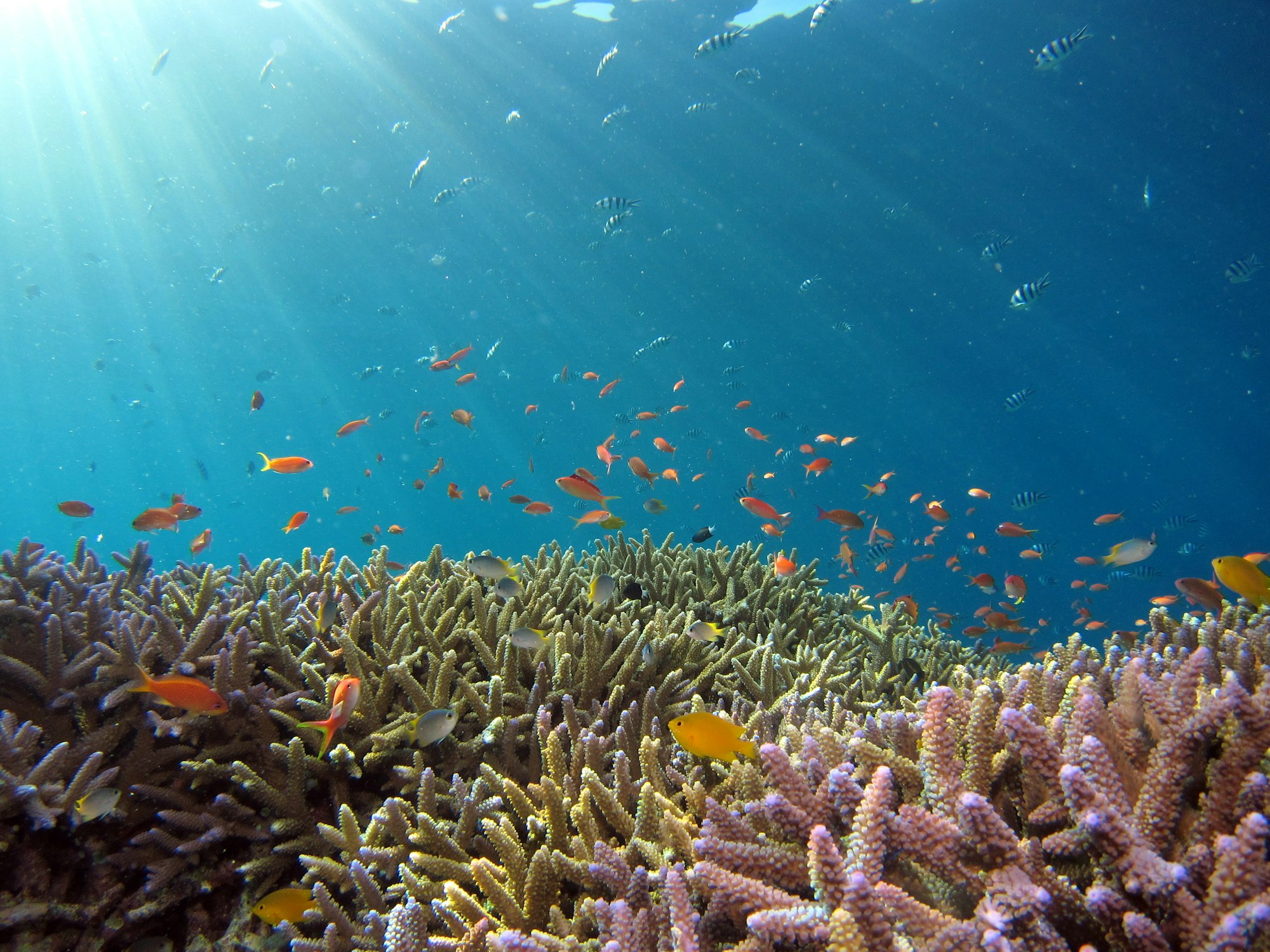
Oil Slick Leap (BNMP #20) sits on the northwest coast between the Andrea sites to the south and 1000 Steps to the north. The name refers not to any actual oil but to a failed oil terminal project planned for this stretch of coast. The site is known for its easy, well-organised entry: divers can choose between a giant stride off a low limestone cliff (about 2 metres above the surface) or a steel ladder for a more conventional approach. Below the surface, the reef starts at around 6 metres and slopes steeply through a productive coral garden to depths over 40 metres. The site is relatively uncrowded compared to the more southerly Bonaire sites and offers calm conditions with little current throughout most of the year. Both diving and snorkelling are popular here.
Site Information
- Location: North-central Bonaire, BNMP Site #20 — between Andrea I and 1000 Steps
- Entry Type: Shore entry
- Site Type: Wall dive
- Difficulty Level: Intermediate
- Maximum Depth: 40 meters
- Typical Visibility: 20–30 metres
- Current: Usually light
- Best Time: Morning to afternoon; tends to be less crowded than southern sites
Marine Life
The reef supports schools of parrotfish, barracuda cruising the drop-off, sea turtles, and frogfish camouflaged on sponge-covered surfaces. Seahorses have been reported in the coral garden zone. Hunting jacks pass through near the drop-off. Angelfish, filefish, turtles, and flounder are seen regularly. The mix of exposed coral wall and sheltered garden areas produces a good diversity of reef fish throughout the dive.
Dive Profile
The cliff entry drops you directly onto the shallow reef zone. Swim out from the entry point to the drop-off at around 6 metres, then follow the wall at your preferred depth. The productive zone is 6–25 metres; the wall continues steeply to 40 metres and beyond. Most divers work the wall at mid-depth and return to the shallows for their safety stop. The site rewards slow swimming and careful observation in the coral garden sections.
Entry and Exit
The cliff entry requires confidence: stand on the limestone ledge and take a committed giant stride into approximately 2 metres of drop. The steel ladder is immediately adjacent for divers who prefer a controlled descent. Exiting via the ladder is the standard approach regardless of entry method — the rocky shoreline makes clambering out freely difficult. The platform area is well-maintained. A valid STINAPA nature tag is required.
Tips
- The steel ladder makes entry/exit accessible to all — no obligation to take the cliff jump
- Check the shallow areas carefully for frogfish and seahorses before heading deeper
- Less busy than the southern sites: mornings here are often uncrowded
- The gentle current and good vis make this a reliable dive in most conditions
Safety
Light current is the norm. The cliff entry is straightforward but requires the entry point to be free of other divers. Do not jump if visibility at the surface suggests rocks or divers below. The drop-off starts quickly after entry — establish buoyancy control before descending.
Photography
The coral garden offers good macro opportunities: frogfish, cleaning stations, and seahorse subjects. The wall provides wide-angle framing with strong ambient light in the morning. Schools of parrotfish and barracuda photograph well in open water alongside the drop-off.
Nearby Sites
Andrea I and II lie to the south with similar wall/reef profiles. 1000 Steps is a short drive north. Jeff Davis Memorial and Boka di Tolo are also nearby along the northern coast road.
Sources: Sunwise Bonaire – Oil Slick Leap, Scuba Diving Smiles – Bonaire Northern Sites, 123 Car Rental Bonaire – Dive Sites. Last updated 2026-05-24.
Sea-surface temperature and wave height from Open-Meteo Marine (ERA5 reanalysis, monthly averages).
1950 verified species observations (189 species) logged within ~11 km of this site between 1930 and 2019, from the Ocean Biodiversity Information System.
- Eretmochelys imbricata · Hawksbill sea turtle
- Caretta caretta · Loggerhead sea turtle
- Scarus taeniopterus
- Pterois · lionfish
- Chelonia mydas · Green sea turtle
- Scarus vetula
- Sparisoma viride
- Lutjanus apodus
- Microspathodon chrysurus
- Cephalopholis cruentata
- Haemulon flavolineatum
- Acanthurus coeruleus
Scientific survey records skew toward sampled taxa (molluscs, corals) and do not reflect what you are guaranteed to see on a dive.
Source: OBIS (obis.org), aggregated Darwin Core occurrence records.
Conditions change with the tide and the season. If you have dived this site, share what it was actually like — date, visibility, current, and what you saw. Real, recent reports from divers are exactly what this guide is built to collect.
Send a conditions report ›