White Slave
12.0576°N 68.2812°W · reef
White Slave
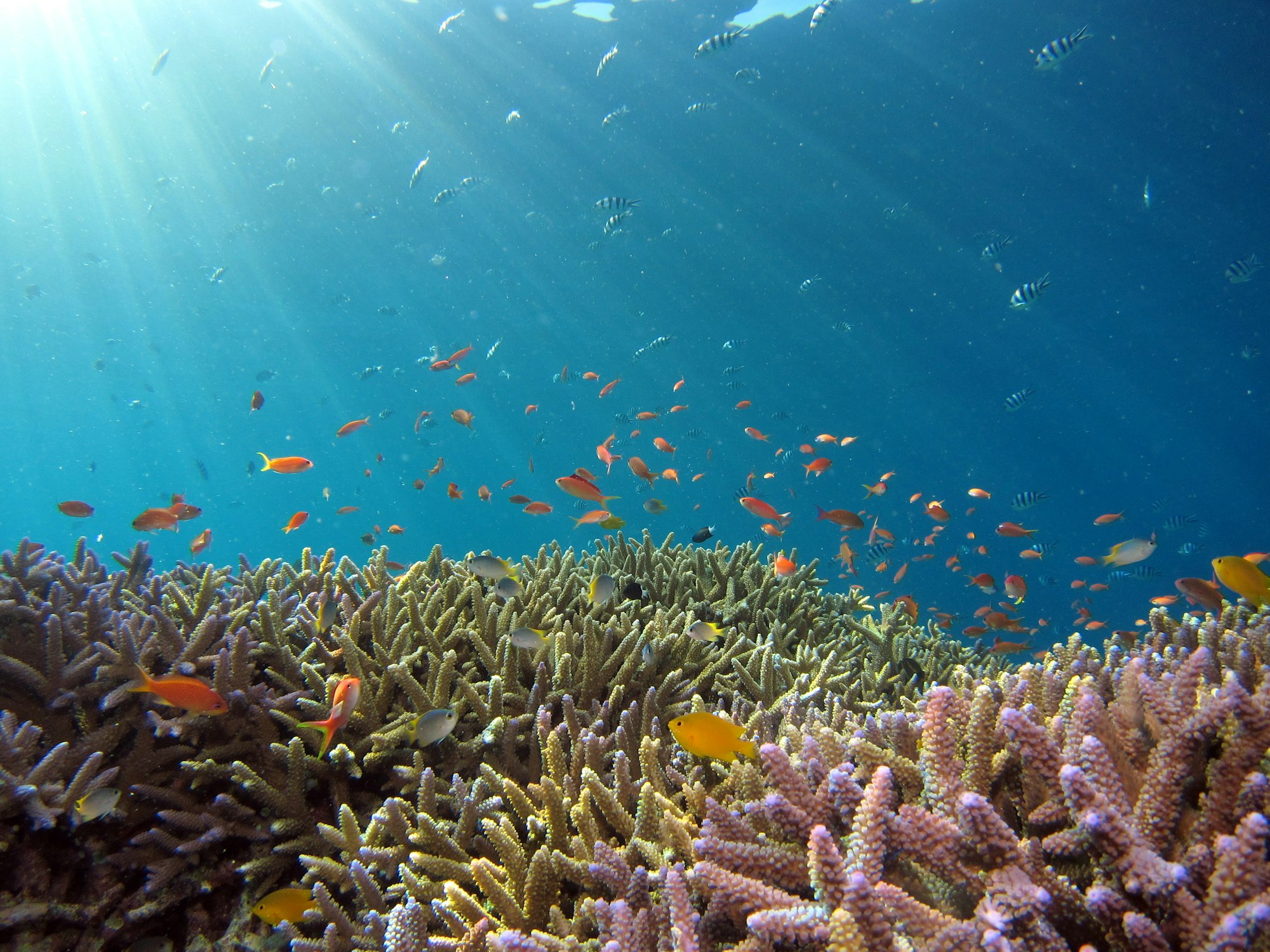
A soft-coral reef on Bonaire’s southern coast named for the white-painted slave huts on shore, fronted by a long sandy approach where eagle rays and stingrays patrol.
Overview
White Slave is the counterpart to Red Slave on Bonaire’s southern leeward coast. Both sites take their names from the small slave huts built around 1850 to shelter enslaved workers from the southern salt pans — color-coded so that occupants could find the right hut on dark nights. White Slave sits adjacent to the white-painted set of huts; Red Slave lies further south near the red huts. The dive itself is a sloping soft-coral reef accessed after a substantial swim out across a shallow white-sand expanse.
Site Information
- Location: Southern Bonaire, adjacent to the historic white slave huts (north of Red Slave)
- Entry Type: Shore entry
- Site Type: Reef
- Difficulty Level: Intermediate
- Maximum Depth: 30 meters
- Typical Visibility: 20–30 meters
- Current: Variable — can become strong with little warning
- Best Time: Early morning, when seas are typically calmer
Marine Life
The long sandy approach is itself a feature here — eagle rays and stingrays are regularly seen cruising the shallows, particularly in the early morning. Once at the reef, expect soft corals, sponges, surgeonfish schools, turtles, and the usual Caribbean reef fish (parrotfish, butterflyfish, angelfish, snappers). Moray eels and lobster shelter in the reef structure. Larger pelagics occasionally pass by, drawn by the deeper water just offshore.
Dive Profile
From the entry, kick out across roughly 200 meters of shallow white sand before the reef edge appears at around 8 meters. The slope then descends through the 8–30 meter range with most of the coral cover and fish life concentrated between 10–25 meters. The long swim back across the sand is part of every dive plan here, so monitor gas accordingly. Many divers turn the swim out into a snorkel on the surface to save air for the reef.
Entry and Exit
A marked dirt-track turn leads off the southern coast road to the white huts. The entry is over a small rocky/sandy beach. Conditions can vary — when wind picks up, surf can make the rocky entry awkward. Exit at the same location, mindful of timing between sets when there is any swell.
Tips
- The long sand swim is unavoidable — surface-kick out to save air
- Watch for rays in the shallows on the way out and back, especially at dawn
- This is not a protected cove; current can come up unexpectedly, particularly later in the day
- Bring an SMB given the open exposure
Safety
The exposure here is similar in character to Red Slave but somewhat less severe. Current direction and strength can change during the dive, so reference your exit point regularly. The long shallow swim back is gas-intensive; conservative turn-pressure is essential. Avoid in heavy swell or strong wind.
Photography
Wide-angle works well across the sand-to-reef transition, particularly with rays in the frame. The soft corals and sponges on the slope photograph well with strobes once below 10 meters. Late afternoon light over the white sand can be striking from below.
Nearby Sites
Red Slave lies further south along the same coast near the red slave huts. Willemstoren Lighthouse marks the southern tip of the island. Sweet Dreams and the southern double-reef sites lie north along the same coastline.
Sources: InfoBonaire – White Slave, PADI – White Slave, Divers-Guide – White Slave. Last updated 2026-05-16.
Sea-surface temperature and wave height from Open-Meteo Marine (ERA5 reanalysis, monthly averages).
836 verified species observations (207 species) logged within ~11 km of this site between 1930 and 2019, from the Ocean Biodiversity Information System.
- Chelonia mydas · Green sea turtle
- Eretmochelys imbricata · Hawksbill sea turtle
- Pterois · lionfish
- Caretta caretta · Loggerhead sea turtle
- Gobiidae
- Paroncheilus affinis
- Palatogobius incendius
- Varicus decorum
- Baldwinella
- Elacatinus horsti
- Choranthias tenuis
- Hemanthias leptus
Scientific survey records skew toward sampled taxa (molluscs, corals) and do not reflect what you are guaranteed to see on a dive.
Source: OBIS (obis.org), aggregated Darwin Core occurrence records.
Conditions change with the tide and the season. If you have dived this site, share what it was actually like — date, visibility, current, and what you saw. Real, recent reports from divers are exactly what this guide is built to collect.
Send a conditions report ›