Cantarell Sand Reef
20.5341°N 86.9496°W · wall
Cantarell Sand Reef
Cozumel’s northern Eagle Ray Wall — a dramatic drop-off north of San Miguel drawing mass aggregations of spotted eagle rays from December through February.
Overview
Cantarell (also spelled Cantarel) is known locally as the Spotted Eagle Ray Wall. The OSM name “Cantarell Sand Reef” is misleading — the site is a genuine wall dive, not a sand reef. The wall drops from around 12 meters at the reef crest to over 30 meters on the face, with strong to extremely strong currents that make this site suitable for experienced divers only. Located just north of downtown San Miguel, it extends southward along the same wall system as Villa Blanca.
The site’s signature attraction is the seasonal aggregation of spotted eagle rays. From December through February, up to 20 or more rays congregate along the wall face at approximately 25 meters, making this one of the most reliable eagle ray encounters in Cozumel’s dive calendar. Outside this season, the site still offers a dramatic wall dive but without the ray aggregations.
Site Information
- Location: North of San Miguel, Cozumel, Quintana Roo, Mexico
- Entry Type: Boat dive
- Site Type: Wall dive
- Difficulty Level: Advanced
- Maximum Depth: 30 meters
- Typical Visibility: 20–35 meters
- Current: Strong to extremely strong — treat as a serious drift dive
- Best Season: December–March for eagle ray aggregations; November–March for optimal conditions
Marine Life
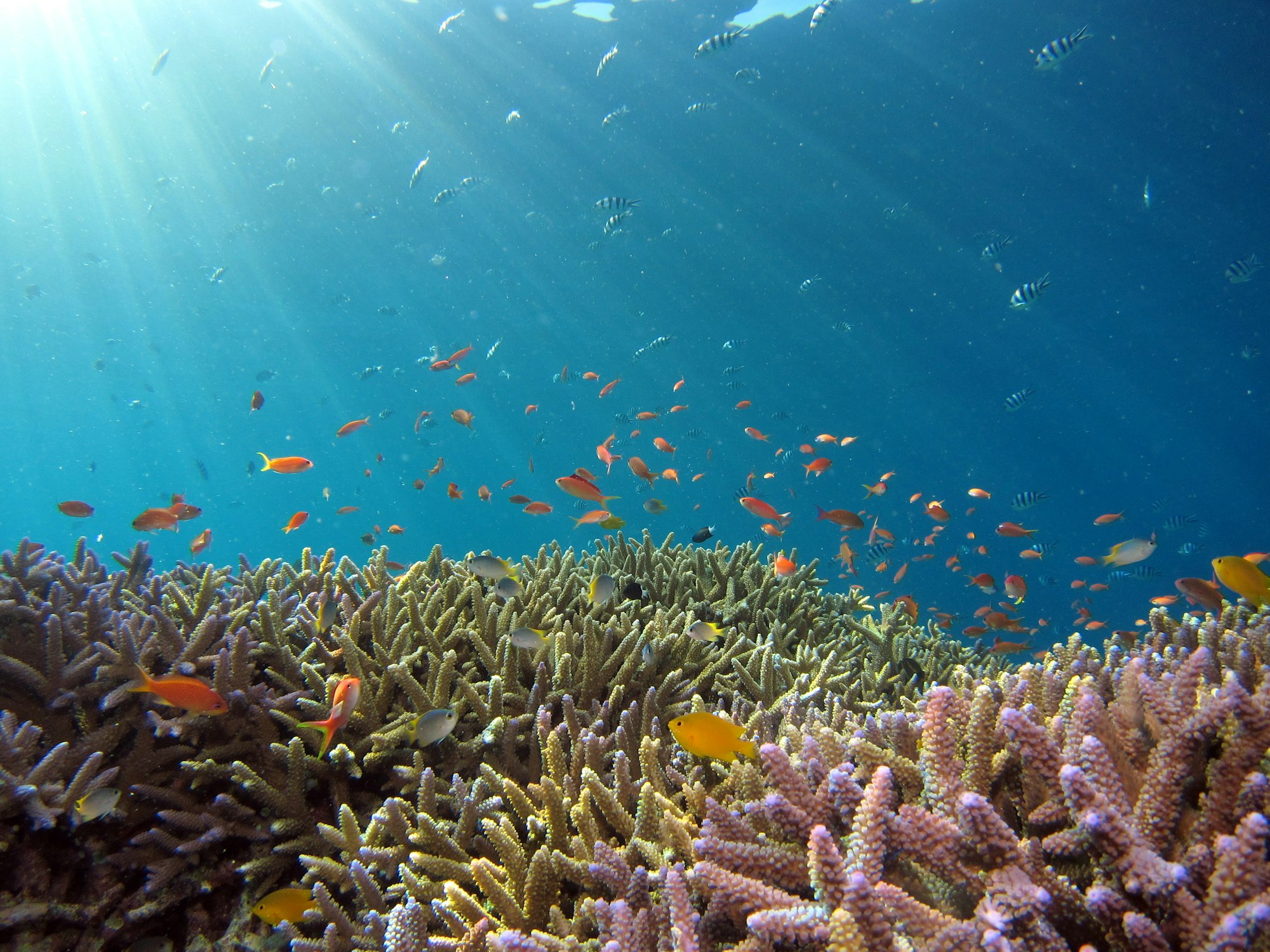
The eagle ray aggregations are the primary draw: spotted eagle rays, sometimes numbering 20 or more individuals, parade along the wall face between December and February. Year-round, the site hosts nurse sharks, sea turtles, groupers, barracuda, damselfish, and moray eels. The shallow areas at the reef crest have juvenile fish, razorfish, and occasional seahorse sightings. Lionfish have been documented on the wall face.
Dive Profile
Divers must enter as a group and ascend together due to the strong current, which can carry divers rapidly along the wall or create downcurrents. Drop to the wall face at approximately 20–25 meters to intercept the eagle rays during season; 30 minutes of bottom time is typical with regular air, longer with nitrox. The current dictates the direction; do not fight it. The captain follows from the surface.
Entry and Exit
Boat dive from San Miguel or northern zone piers. Strong current entry requires a coordinated group descent. Water-column ascent with SMB mandatory. Nitrox 32 recommended by local operators to extend bottom time at depth.
Tips
- Nitrox 32 is recommended to extend eagle ray observation time at depth
- Visit December through February specifically for the ray aggregations — this is when the site is at its best
- The current can shift or push downward without warning; stay alert and follow the divemaster
- This is not a site for newly-certified divers regardless of depth — current management is the primary skill required
- The shallow reef crest (5–12 meters) is worth exploring before dropping to the wall
Safety
Strong and unpredictable currents are the primary hazard. Downcurrents are not uncommon. Sources note that divers can be separated from the boat in extreme conditions. The Port Captain monitors diving in this northern zone. Always dive with an experienced local operator familiar with the site’s variable conditions. Carry and deploy an SMB — surface pickup in current can be difficult.
Photography
The eagle ray aggregations in winter months are among the most photographically dramatic spectacles in Caribbean diving. Position yourself on the wall face at 20–25 meters upcurrent of the ray group, allow them to pass, and shoot as they swim past. Wide-angle or fisheye lenses at f/8–f/11 capture the rays against the blue water column. Current makes static positions challenging — practice neutral buoyancy positioning before shooting here.
Sources: The Reefs of Cozumel — Cantarel (Spotted Eagle Ray Wall), Scuba Diving Cozumel — Cantarell, Mexico Greatest Dive Sites — Cantarell Reef. Last updated 2026-05-23.
Sea-surface temperature and wave height from Open-Meteo Marine (ERA5 reanalysis, monthly averages).
465 verified species observations (281 species) logged within ~11 km of this site between 1885 and 2018, from the Ocean Biodiversity Information System.
- Anguilla rostrata
- Pterois · lionfish
- Canthigaster rostrata
- Priolepis hipoliti
- Equetus punctatus
- Apogon lachneri
- Bathygobius soporator
- Gnatholepis thompsoni
- Phaeoptyx pigmentaria
- Liopropoma mowbrayi
- Kaupichthys hyoproroides
- Ariosoma balearicum
Scientific survey records skew toward sampled taxa (molluscs, corals) and do not reflect what you are guaranteed to see on a dive.
Source: OBIS (obis.org), aggregated Darwin Core occurrence records.
Conditions change with the tide and the season. If you have dived this site, share what it was actually like — date, visibility, current, and what you saw. Real, recent reports from divers are exactly what this guide is built to collect.
Send a conditions report ›