Cardona
20.3427°N 87.0440°W · reef
Cardona
One of Cozumel’s few accessible shore dive sites — a sheltered patch reef perfect for self-guided exploration and introductory training dives.
Overview
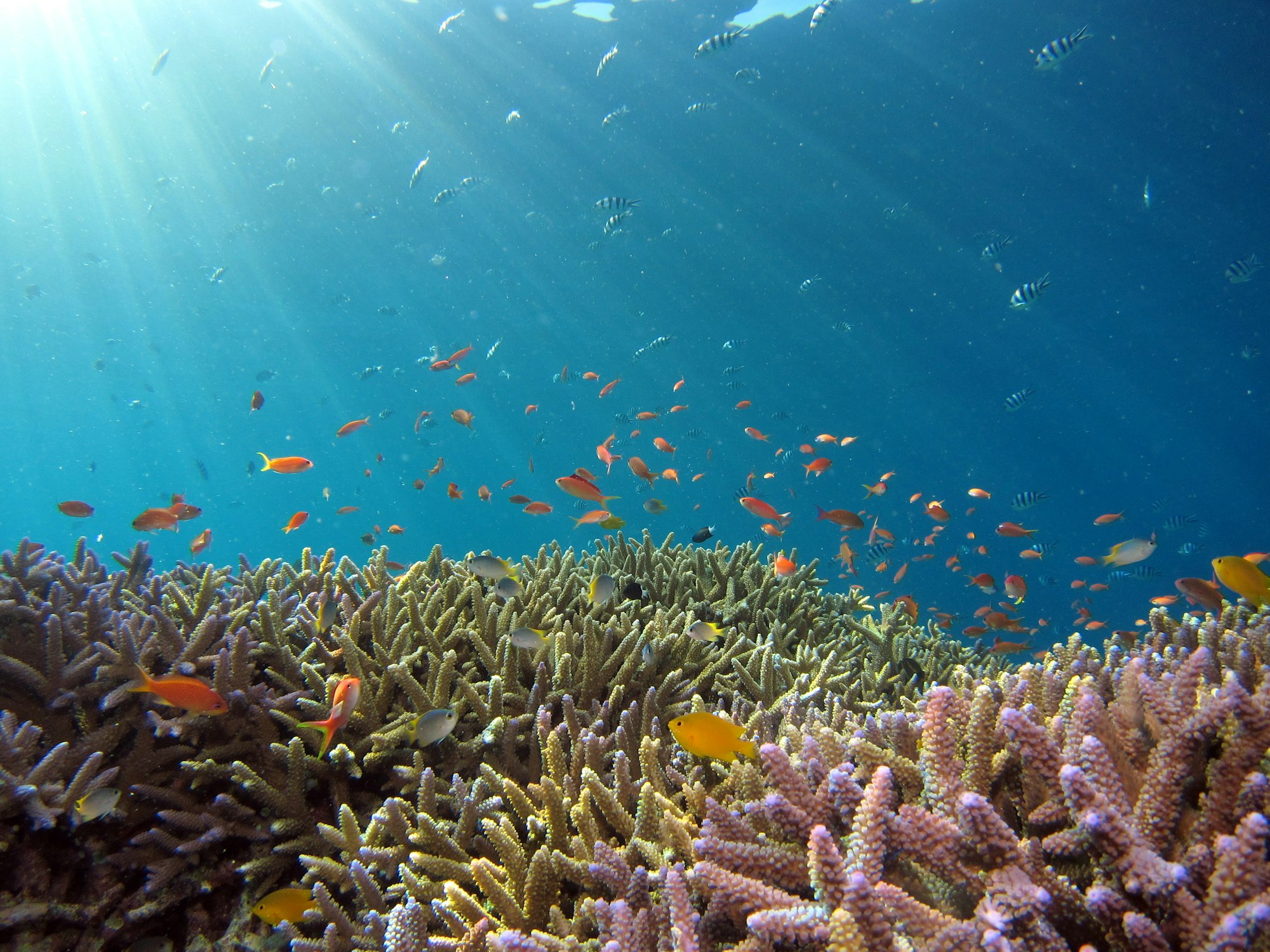
Cardona is exceptional among Cozumel dive sites for being accessible from shore without a boat, making it a practical option for independent divers, training scenarios, and multiple short dives in a single day. The site is located along the central leeward coast where the water is shallow and protected. The reef consists of scattered coral formations — brain corals, star corals, and small sea fans — on a sandy substrate that reaches a maximum of approximately 14 meters. Without the current typical of offshore Cozumel diving, conditions are calm enough for genuine beginners and students. The lack of current also means marine life is more stationary and predictable for observation.
Site Information
- Location: Central leeward coast, Cozumel, Quintana Roo, Mexico (shore access)
- Entry Type: Shore entry
- Site Type: Reef
- Difficulty Level: Beginner
- Maximum Depth: 14 meters
- Typical Visibility: 10–25 meters (30–80 feet; can be reduced after storms)
- Current: Minimal — sheltered inshore position
- Best Time: Year-round; less dependent on weather than offshore sites
Marine Life
Confirmed at Cardona by multiple sources: Caribbean spiny lobsters in the crevices, splendid toadfish (Sanopus splendidus, the Cozumel endemic) under ledges and in holes — the low-profile reef structure with its many crevasses is a reliable habitat for them. Spotted moray eels are common. Nurse sharks rest in crevices and can be spotted by looking through holes from the top of the reef or under overhanging ledges. Elkhorn corals, schools of reef fish, and sea turtles round out the confirmed species list. The calm, current-free conditions make resident species unusually approachable.
Dive Profile
Entry from a specific access point along the shore road or from a designated beach entry, wading through the shallows to swimming depth. The reef begins at 3–5 meters and extends to the 14-meter maximum. Navigation follows the scattered coral heads from one to the next in a circuit pattern. The absence of current means out-and-back or circular routes are both practical. Extended bottom times of 60–80 minutes are comfortable at this depth.
Entry and Exit
Shore entry — wade in from the designated access point wearing fins on your wrist or by fin-walking from the shore. The entry area may have rocks or urchins near the surface; look before stepping. Exit via the same route. Equipment can be staged at the shore with basic security measures or left with a dive buddy on shore. Boat traffic in this area is minimal but watch for motorised craft when surfacing.
Tips
- This is the most practical multi-dive option in Cozumel without paying for multiple boat trips
- Certification students benefit from the controlled conditions for skill practice
- The absence of boat logistics makes night diving here straightforward — bring a dive light
- Mornings offer the best visibility before boat activity elsewhere stirs any sediment
- Explore the sand patches systematically — flatfish and sand-dwelling species reward careful scanning
Safety
Shore diving requires heightened personal responsibility without a boat crew or captain monitoring from above. Ensure someone ashore knows your planned dive time and return. Watch for motorised boat traffic when surfacing; carry a safety sausage even on shore dives. Sea urchins are present in the shallow entry area — avoid stepping on the reef. Recompression facilities in San Miguel are nearby.
Photography
The calm, current-free water at Cardona is outstanding for macro photography where camera stability is critical. Peacock flounder camouflage is a compelling subject against the sandy substrate. Trunkfish and cowfish portraits in clear, calm water can be made with a 60mm or 100mm macro lens. Natural light is very good in the morning shallows. Night diving adds octopus, sleeping parrotfish, and hunting lionfish to the photographic menu.
Sources: Scuba Diving Cozumel — Cardona, DiveBuddy — Cardona Reef, Living Underwater — Cozumel Dive Sites, Scuba XOC — Cozumel Dive Sites. Named after Mexican film director René Cardona who filmed underwater scenes for ‘Un Mundo Nuevo’ here in 1957. Max depth corrected from 12m to 14m (45ft). Last updated 2026-06-16.
Sea-surface temperature and wave height from Open-Meteo Marine (ERA5 reanalysis, monthly averages).
438 verified species observations (285 species) logged within ~11 km of this site between 1885 and 2025, from the Ocean Biodiversity Information System.
- Pterois · lionfish
- Gnatholepis thompsoni
- Canthigaster rostrata
- Coryphopterus hyalinus
- Liopropoma mowbrayi
- Lipogramma trilineata
- Halichoeres garnoti
- Leucoraja yucatanensis
- Starksia
- Pseudoraja fischeri
- Apogon maculatus
- Priolepis hipoliti
Scientific survey records skew toward sampled taxa (molluscs, corals) and do not reflect what you are guaranteed to see on a dive.
Source: OBIS (obis.org), aggregated Darwin Core occurrence records.
Conditions change with the tide and the season. If you have dived this site, share what it was actually like — date, visibility, current, and what you saw. Real, recent reports from divers are exactly what this guide is built to collect.
Send a conditions report ›