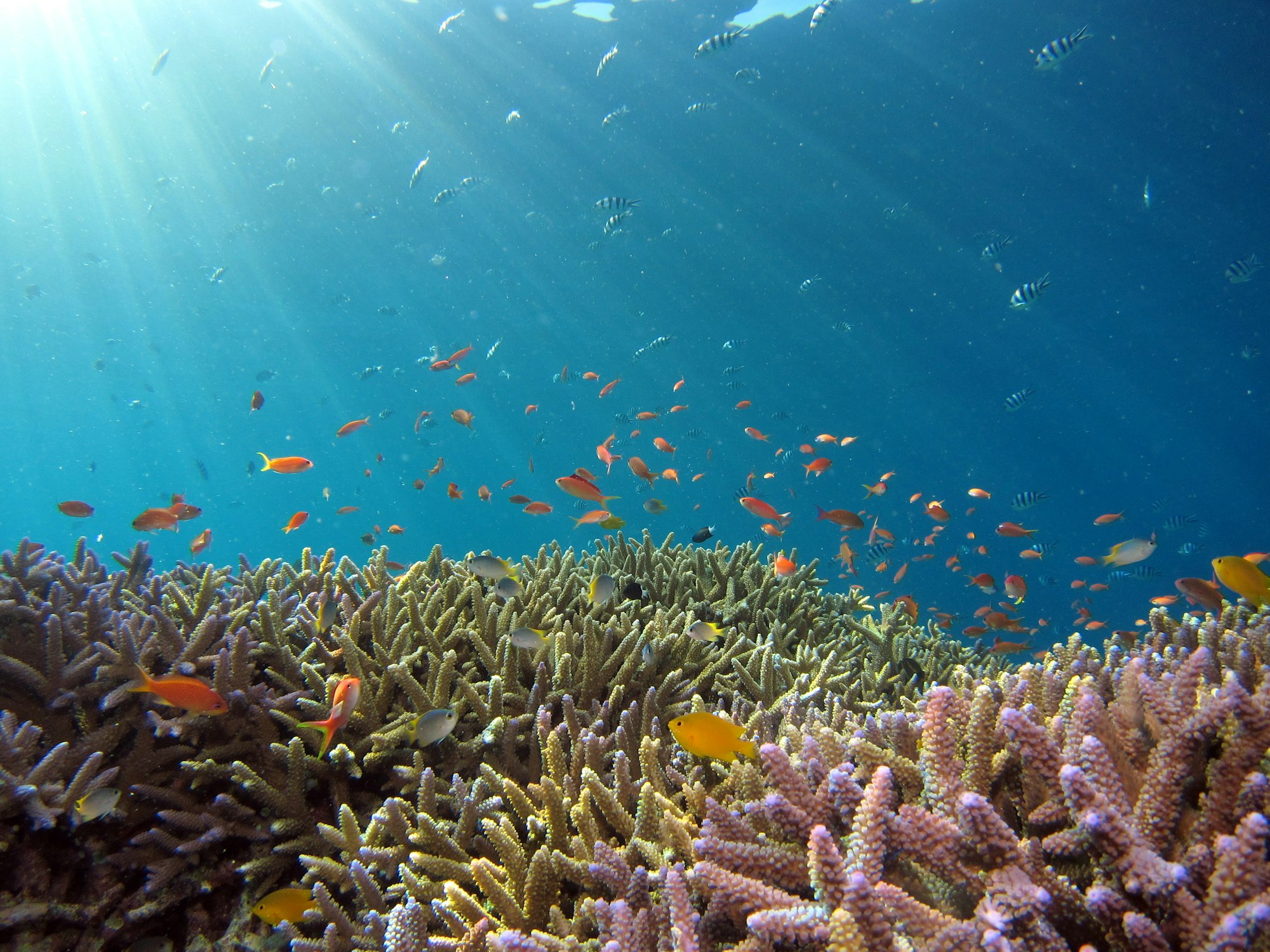
Police Pier
1.4583°N 125.2167°E · muck
Police Pier is one of the finest night dive sites on the planet, located in Lembeh Strait, North Sulawesi, Indonesia. Named for its proximity to the Lembeh Strait police station’s pier, the site dives beneath and around the pier structure at a sandy, shallow slope rarely exceeding 15 metres. The substrate is sandy and silty with rubble, trash, and scattered soft coral growth — the characteristic Lembeh muck environment — with the pier pilings providing additional hard-structure habitat colonised by sponges and encrusting organisms. By day it is a productive critter site; after dark it reliably produces rare nocturnal species.
Overview
The site is dominated by sandy black volcanic bottom ranging 5–15 metres in depth, with the pier pilings as navigational and habitat reference points. The bottom composition — sand, silt, rubble, and scattered debris — creates habitat for burrowing and sheltering critters, while the pier structure itself supports encrusting life. Currents are almost always calm, and the pier provides shelter. Visibility runs 8–15 metres during the day. Water temperature stays around 26–28°C year-round.
Site Information
- Location: Lembeh Strait, North Sulawesi, Indonesia
- Entry Type: Boat dive
- Site Type: Muck dive
- Difficulty Level: Beginner
- Maximum Depth: 15 meters
- Typical Visibility: 8–15 metres (25–50 feet)
- Current: Minimal; well-sheltered
- Best Time: Year-round; night dives are the highlight
Marine Life
Confirmed species at Police Pier include: frogfish (orange and other colour phases), seahorses (thorny variety documented on pilings and encrusting growth), harlequin shrimps, waspfishes, Banggai cardinalfish, various nudibranchs, snake eels, and flamboyant cuttlefish. Multiple sources confirm mandarinfish (dragonets) at dusk, with ZuBlu and Tropilogy citing the site’s “spawning mandarinfish” as a dusk highlight. White-V octopus and wonderpus are also documented. After dark, cuttlefish and long-armed octopus become active hunters across the sandy areas; countless crab species emerge from hiding. Barramundi cod have been photographed at the pier pilings. No additional species are attributed beyond these confirmed records.
Dive Profile
The dive is conducted entirely in the shallows — 3 to 15 metres — making it an exceptionally long bottom time site. Day dives are best spent working the sandy areas around the pier base, searching rubble for seahorses and frogfish, and examining the silt and debris patches for waspfishes and snake eels. Night dives begin at dusk when mandarinfish emerge for courtship — divers typically enter the water 30–40 minutes before last light to find position in the rubble patches where they shelter, then continue exploring through full dark for the remaining nocturnal cast.
Entry and Exit
Access is primarily by banca boat, though shore entry is reported by some operators given the pier location. Entry into calm, shallow water. Navigation is straightforward using the pier structure as a reference. Night dives are guided — stay close to your guide and ensure all torches are in working order before entry. Signal the boat with your torch when ready for pickup.
Tips and Recommendations
- Mandarinfish courtship at dusk is one of the bucket-list events of Lembeh diving — arrive early, settle at the rubble patches where they hide, and wait patiently for emergence as the light fades
- Bring a primary torch and a backup for night dives — there is minimal ambient light under the pier after dark
- Move very slowly around the pilings; seahorses and frogfish are cryptic and easily missed even by experienced divers
- Day dives are underrated at Police Pier; morning light through the water illuminates the encrusted pilings well and the site’s sandy areas are productive in calm morning conditions
- The site’s extreme shallowness is its greatest asset for photography — there is no depth pressure, no air rush, and no NDL concern
Safety Considerations
Police Pier is a beginner-friendly site with minimal hazards. Night dive awareness around boat traffic in the strait is the primary consideration — surface next to the banca rather than away from it, and never ascend under other boats. Be aware of the pier structure overhead in the shallower areas. Spiny sea urchins colonise the pier base — buoyancy awareness prevents accidental contact. Standard Lembeh blue-ringed octopus caution applies.
Photography
Police Pier is one of the top macro and night-photography sites in Lembeh. Mandarinfish at dusk — the jewel-coloured dragonet emerging from rubble for courtship — require a fast shutter speed and wide aperture; position yourself at eye level with the rubble as they emerge and wait. Seahorse portraits on the pilings benefit from a 100mm macro lens. The encrusted piling surfaces offer abstract texture compositions with close-focus wide-angle technique. At night, cuttlefish and octopus active on the sandy bottom reward methodical torch-searching with a focus light.
Sources: Asia Dive Site – Police Pier, ZuBlu – Lembeh Strait, Starfish – Lembeh Dive Sites, Tropilogy – Top Dive Sites Lembeh, Dive-the-World – Lembeh Diving. Last updated 2026-06-14.
Sea-surface temperature and wave height from Open-Meteo Marine (ERA5 reanalysis, monthly averages).
5477 verified species observations (286 species) logged within ~11 km of this site between 1929 and 2026, from the Ocean Biodiversity Information System.
- Halichoeres melanurus · カザリキュウセン
- Pseudochromis fuscus · セダカニセメギス
- Trimma · ベニハゼ属sp.
- Gymnothorax castlei
- Euthynnus affinis
- Asterropteryx bipunctata · フタホシホシハゼ
- Siphamia tubifer · ヒカリイシモチ
- Trimma striatum
- Oplopomus oplopomus · ケショウハゼ
- Periophthalmus argentilineatus · ミナミトビハゼ
- Doryrhamphus janssi
- Canthigaster valentini · シマキンチャクフグ
Scientific survey records skew toward sampled taxa (molluscs, corals) and do not reflect what you are guaranteed to see on a dive.
Source: OBIS (obis.org), aggregated Darwin Core occurrence records.
Conditions change with the tide and the season. If you have dived this site, share what it was actually like — date, visibility, current, and what you saw. Real, recent reports from divers are exactly what this guide is built to collect.
Send a conditions report ›