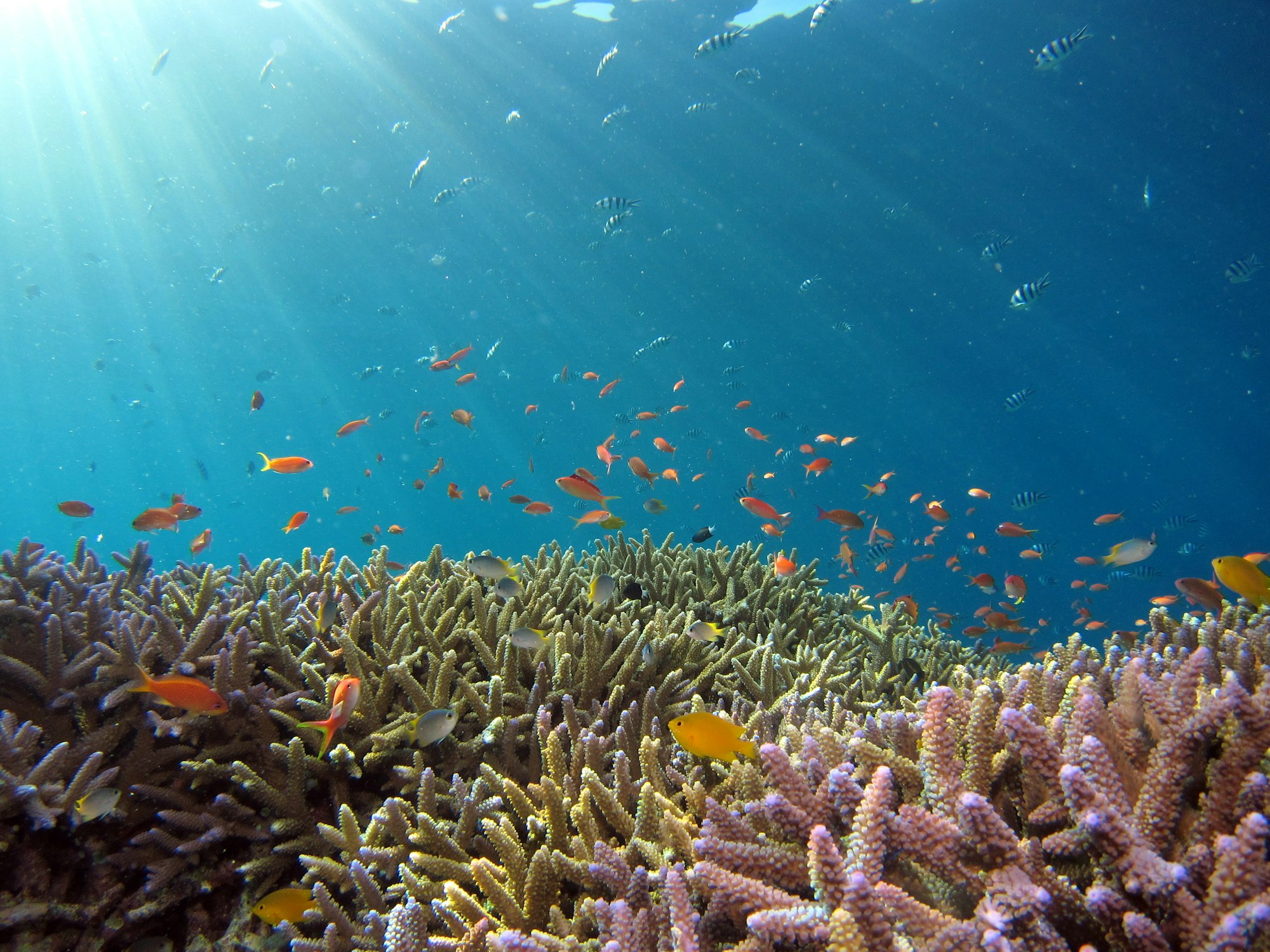
TK3
1.4783°N 125.2383°E · muck
TK3 is the third and northernmost site in the Teluk Kembahu (TK) group — a trio of muck diving sites along the Lembeh Island shore of the Lembeh Strait, North Sulawesi, Indonesia. While TK1 and TK2 are the most frequently dived of the three, TK3 has its own character: the substrate transitions from smooth black sand to more varied rubble patches, giving the site a slightly different texture and critter community. It is regularly included as the third dive of a TK day-trip sequence.
Overview
TK3’s defining feature compared to its neighbours is the increased rubble coverage — more broken coral fragments, shells, and small stones are scattered across the volcanic sand slope, creating additional microhabitats for critters that prefer rubble to open sand. The slope descends to 25 meters and is accessible to beginners, with minimal current and protected bay conditions. Visibility is on par with the other TK sites at 8–15 meters. Water temperature is a consistent 26–29°C year-round.
Site Information
- Location: Lembeh Strait, North Sulawesi, Indonesia
- Entry Type: Boat dive
- Site Type: Muck dive
- Difficulty Level: Beginner
- Maximum Depth: 25 meters
- Typical Visibility: 8–15 meters (25–50 feet)
- Current: Minimal to light
- Best Time: Year-round; October to May for calmest conditions
Marine Life
The rubble patches at TK3 make it a productive site for critters that use physical structures as shelter or ambush positions. Mimic octopus and coconut octopus have both been documented here; the Teluk Kambahu area is one of the well-known mimic octopus locations in the strait, and the area reportedly featured in National Geographic’s “Secrets of the Octopus” coverage of the strait. Snake eels, stonefish, and scorpionfish rest camouflaged among the rubble and sand. Frogfish occupy rubble patches. Ghost pipefish, seahorses, and nudibranchs are present throughout the slope. Mantis shrimp occasionally emerge from burrows at the rubble-sand interface.
Dive Profile
Work the slope between 8 and 22 meters, paying particular attention to the rubble patches at the depth transitions. The interface between clean sand and rubble concentrations is consistently where the densest critter activity occurs. As with the other TK sites, slow and methodical observation outperforms covering distance. The shallower zones above 10 meters are worth extended exploration during the safety stop.
Entry and Exit
Access by banca boat. Back roll or giant stride entry. Follow your guide along the slope; surface with SMB deployed for boat pickup.
Tips and Recommendations
- Rubble patches require careful buoyancy technique — fin movements near rubble create silt clouds that are harder to clear than open sand
- Brief your guide on your target species before descending; stonefish and scorpionfish sightings, while common, are easy to miss without a guide pointing them out
- TK3 is often the third dive of the day when dived as part of the full TK series — manage your air and no-decompression limits accordingly if three dives are planned
- Beginners working on buoyancy should approach rubble areas from slightly above, hovering rather than kneeling directly on the bottom
- The site can be excellent at night, though night dives here are less commonly offered than at Police Pier
Safety Considerations
Stonefish are among the hazards unique to rubble-heavy sites like TK3 — their camouflage is extraordinarily effective against mixed rubble. Never place hands or knees on rubble or sand without looking carefully first, and wear hard-soled dive booties. Blue-ringed octopus are present across all Lembeh sites; do not handle any octopus regardless of size. Standard silt-disturbance awareness applies. Carry an SMB.
Photography
The rubble habitat at TK3 opens photographic opportunities that are less available on the smooth sand at TK1. Stonefish and scorpionfish make compelling camouflage-pattern macro subjects when found in good position. Frogfish posed against rubble backgrounds offer interesting texture contrast. Shrimp species in rock crevices benefit from a focus light to illuminate subjects in shadow. A 60mm or 100mm macro lens covers the range of subjects well.
Sources: Lembeh Resort – Muck Diving Guide, ZuBlu – Lembeh Strait, Infinite Blue Dive Travel – 15 Best Lembeh Sites, Starfish – Lembeh Dive Sites, NAD-Lembeh Resort Diving. Last updated 2026-06-14.
Sea-surface temperature and wave height from Open-Meteo Marine (ERA5 reanalysis, monthly averages).
5477 verified species observations (286 species) logged within ~11 km of this site between 1929 and 2026, from the Ocean Biodiversity Information System.
- Halichoeres melanurus · カザリキュウセン
- Pseudochromis fuscus · セダカニセメギス
- Trimma · ベニハゼ属sp.
- Gymnothorax castlei
- Euthynnus affinis
- Asterropteryx bipunctata · フタホシホシハゼ
- Siphamia tubifer · ヒカリイシモチ
- Trimma striatum
- Oplopomus oplopomus · ケショウハゼ
- Periophthalmus argentilineatus · ミナミトビハゼ
- Doryrhamphus janssi
- Canthigaster valentini · シマキンチャクフグ
Scientific survey records skew toward sampled taxa (molluscs, corals) and do not reflect what you are guaranteed to see on a dive.
Source: OBIS (obis.org), aggregated Darwin Core occurrence records.
Conditions change with the tide and the season. If you have dived this site, share what it was actually like — date, visibility, current, and what you saw. Real, recent reports from divers are exactly what this guide is built to collect.
Send a conditions report ›