Bikanayos Rock
11.1440°N 119.2782°E · wall
Bikanayos Rock is a wall dive site in Philippines Palawan, Asia.
Overview
Bikanayos Rock (locally known as Picanayas) sits on the western face of Matinloc Island in El Nido, where huge boulders create natural corridors and swim-throughs that whitetip reef sharks use as resting spots. Nutrient-rich currents sweeping past the exposed rock draw barracuda, trevally, and other pelagics, making this one of the best sites on Matinloc for an encounter with larger open-water species.
Site Information
- Location: Philippines Palawan, Asia
- Entry Type: Boat dive
- Site Type: Wall dive
- Difficulty Level: Advanced
- Maximum Depth: 20 meters
Marine Life
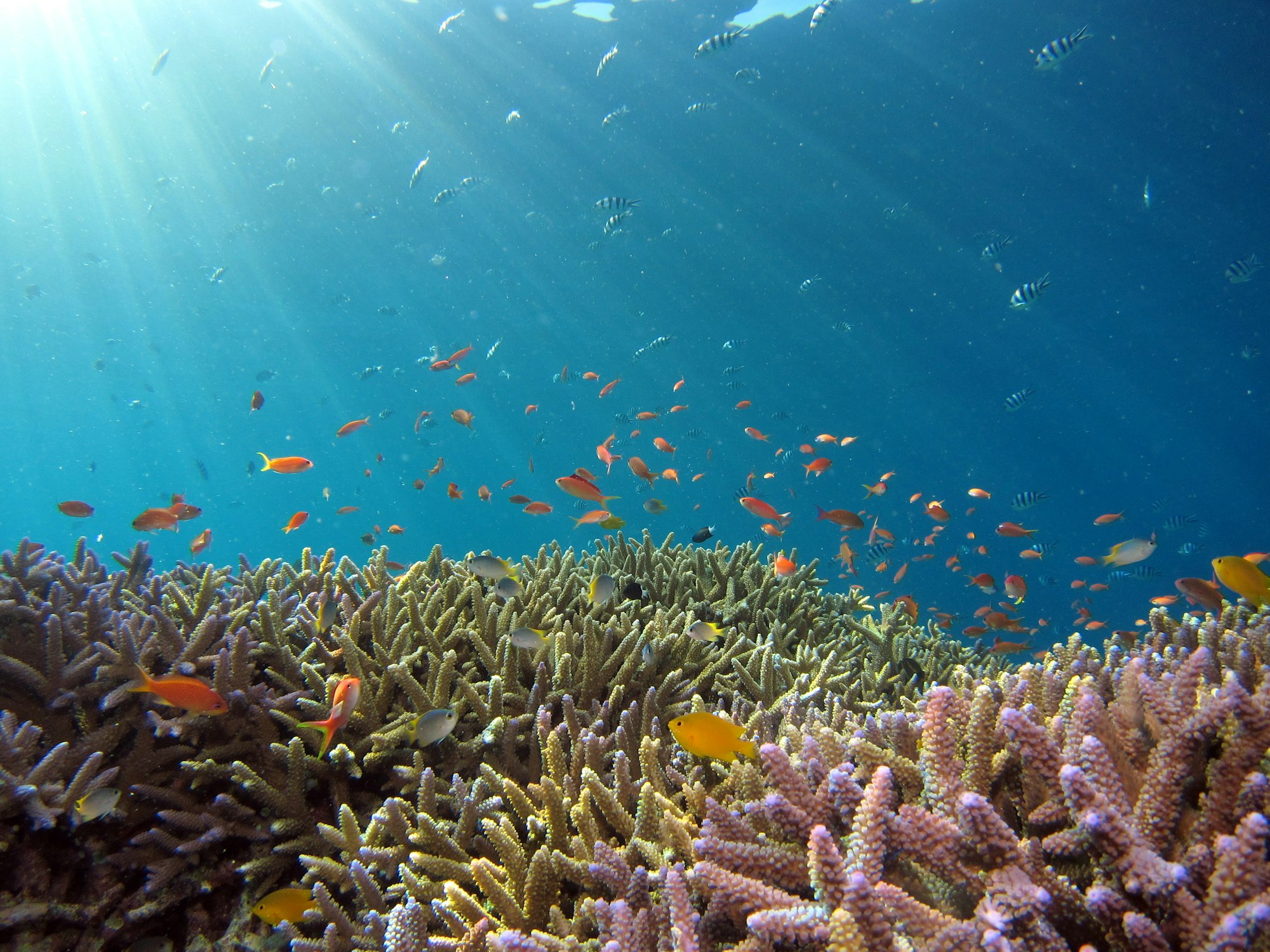
Bikanayos Rock is El Nido’s best site for whitetip reef shark encounters, with the boulders’ natural corridors and swim-throughs serving as regular resting spots where sharks can be observed closely at close range. Nutrient-rich currents sweeping past the exposed western face draw schooling barracuda, giant trevally, and mackerel that congregate in the eddy zones around the rock. Napoleon wrasse and hawksbill turtles are routine sightings on the surrounding reef structure.
Sources: Diving Squad Palawan Guide, Scuba Tech Philippines - Coron Wrecks, Pirate Coron Dive Sites, DIVE Magazine - Wrecks of Coron Bay, ZuBlu - Scuba Diving Coron Palawan. Last updated 2026-04-04.
Sea-surface temperature and wave height from Open-Meteo Marine (ERA5 reanalysis, monthly averages).
165 verified species observations (127 species) logged within ~11 km of this site between 1948 and 2020, from the Ocean Biodiversity Information System.
- Trimma
- Gymnothorax
- Eviota hoesei · Doug's Eviota
- Gobiidae · Gobies
- Opistognathus · Spotfin Jawfishes
- Kaupichthys brachychirus · Shortfin False Moray
- Gobiopsis arenaria · Patchwork Goby
- Pseudoplesiops annae
- Ostorhinchus
- Vanderhorstia
- Eviota · Greenies
- Trimma xanthum · Yellow-red Pygmygoby
Scientific survey records skew toward sampled taxa (molluscs, corals) and do not reflect what you are guaranteed to see on a dive.
Source: OBIS (obis.org), aggregated Darwin Core occurrence records.
Conditions change with the tide and the season. If you have dived this site, share what it was actually like — date, visibility, current, and what you saw. Real, recent reports from divers are exactly what this guide is built to collect.
Send a conditions report ›