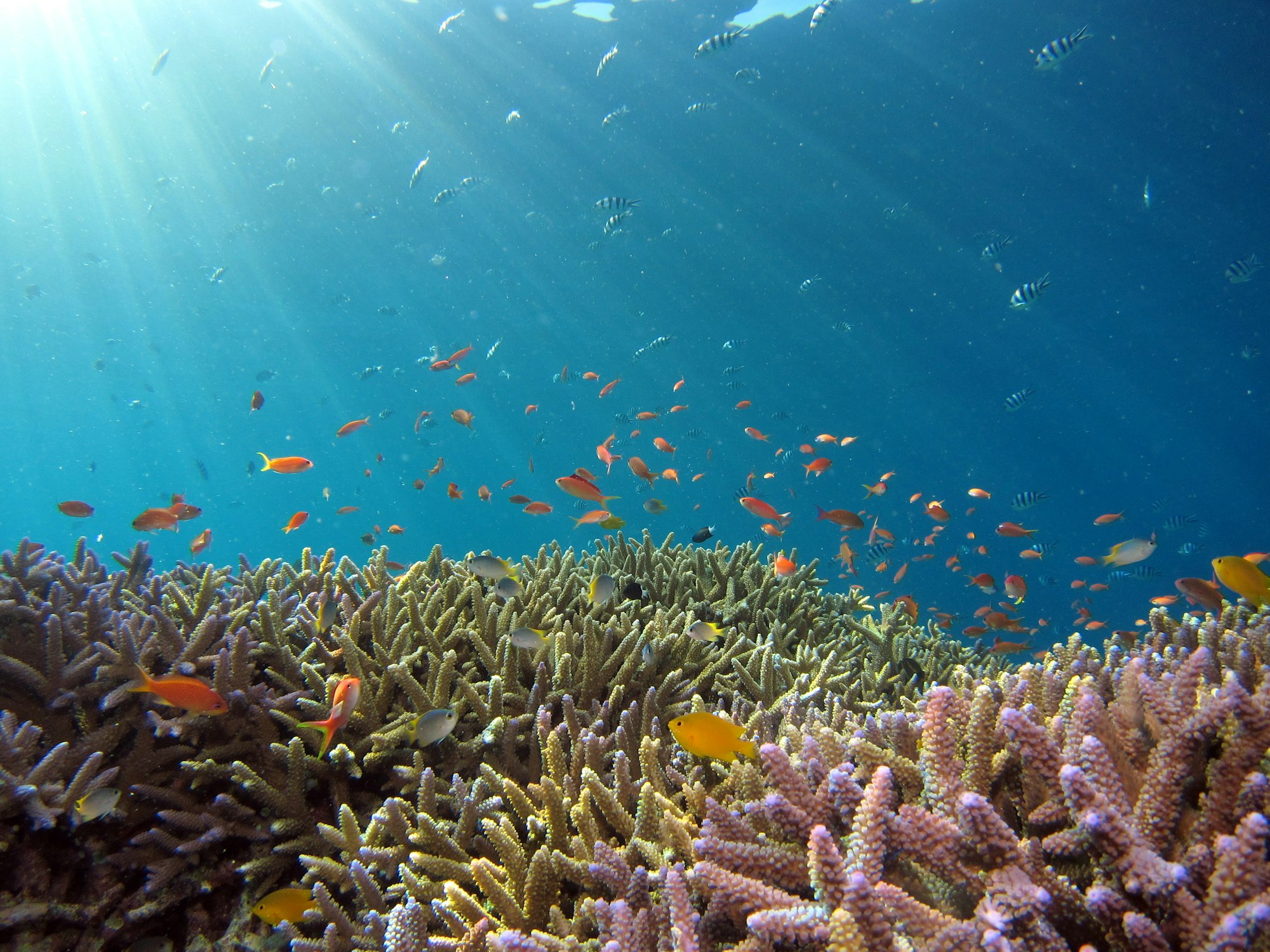
Abu Dabab 4
25.3406°N 34.7949°E · reef
Abu Dabab 4 is a shore-entry coral reef dive site at Abu Dabbab Bay, north of Marsa Alam, Egypt.
Overview
Abu Dabbab Bay is one of the most celebrated dive and snorkel destinations on the Egyptian Red Sea coast, famous above all for its resident dugong population — among the most reliably accessible in the entire Red Sea. Abu Dabab 4 is one of several numbered entry points along the bay’s sandy shoreline, offering a relaxed, shallow reef dive accessible directly from the beach. The seagrass beds that front the bay are a primary food source for the dugongs and also attract green sea turtles, making even shallow dives here remarkably rewarding. The site is ideal for beginners, snorkellers, and underwater photographers.
Site Information
- Location: Abu Dabbab Bay, north of Marsa Alam, Red Sea, Egypt
- Entry Type: Shore entry
- Site Type: Reef
- Difficulty Level: Beginner
- Maximum Depth: 15 meters
- Typical Visibility: 15–30 meters
- Current: Minimal; calm bay conditions most of the year
- Best Time: Year-round; dugong sightings peak October–April
Marine Life
Abu Dabbab Bay is justifiably famous for dugong encounters — these gentle sea mammals graze the seagrass beds in the shallows and are often seen within easy viewing range from the surface. Green sea turtles are extremely common and frequently rest on the seagrass or swim slowly through the bay. The reef itself hosts the usual Red Sea assemblage: angelfish, triggerfish, trumpetfish, moray eels, and reef sharks on the outer sections. Seahorses and octopus are found among the seagrass.
Dive Profile
Enter from the sandy beach and wade or swim out across the seagrass to the reef edge. The seagrass zone at 2–5 m is itself worth exploring slowly for dugong, turtle, and macro life. Drop to the reef slope at 8–15 m for hard coral formations and more varied fish populations. Return through the seagrass on your ascent.
Entry and Exit
Shore entry directly from Abu Dabbab beach. The beach is accessible from the road and serviced by local dive and snorkel operators who provide equipment rental and guides. Water shoes are advisable over the seagrass. Fins should be put on in the water to avoid damaging the seagrass beds.
Tips and Recommendations
- Move slowly and calmly through the seagrass — dugongs are easily startled and will retreat if approached quickly
- Keep noise to a minimum and avoid touching or chasing wildlife
- Morning dives offer the clearest water before day-trippers arrive
- Snorkellers can enjoy excellent dugong and turtle encounters without descending deep
- The site is very diver-friendly for beginners — minimal current and shallow depths
Safety Considerations
The bay is calm but boat traffic from day-trip vessels and snorkel boats can be present. Surface carefully and use an SMB or tow-float when swimming in the bay. Avoid standing on seagrass, which is a protected marine environment.
Photography
One of the top underwater photography destinations in the Red Sea. Wide-angle shots of dugong grazing among sunlit seagrass are iconic images from this bay. Turtles are often very approachable. Macro subjects include seahorses and nudibranchs in the seagrass. Use a wide-angle lens for the best dugong and turtle frames.
Sources: Divezone - Red Sea, Dive the World - Egypt Red Sea, Red Sea Scuba Diving, PADI - Diving in Egypt. Last updated 2026-04-04.
Sea-surface temperature and wave height from Open-Meteo Marine (ERA5 reanalysis, monthly averages).
51 verified species observations (21 species) logged within ~11 km of this site between 1996 and 2026, from the Ocean Biodiversity Information System.
- Tursiops · Bottlenose dolphins
- Stenella longirostris · Spinner dolphin
- Tursiops aduncus · Indian ocean bottlenose dolphin
- Rhincodon typus · Whale Shark
- Balaenoptera edeni · Eden's whale
- Nerita sanguinolenta
- Conomurex fasciatus
- Maculastrombus mutabilis
- Clanculus
- Fasciolariidae
- Dolomena plicata
- Aplysia nigrocincta
Scientific survey records skew toward sampled taxa (molluscs, corals) and do not reflect what you are guaranteed to see on a dive.
Source: OBIS (obis.org), aggregated Darwin Core occurrence records.
Conditions change with the tide and the season. If you have dived this site, share what it was actually like — date, visibility, current, and what you saw. Real, recent reports from divers are exactly what this guide is built to collect.
Send a conditions report ›