Abu Dabab 6
25.3248°N 34.7984°E · reef
Abu Dabab 6 is a shore-entry reef and seagrass dive site at the southern end of Abu Dabbab Bay, north of Marsa Alam, Egypt.
Overview
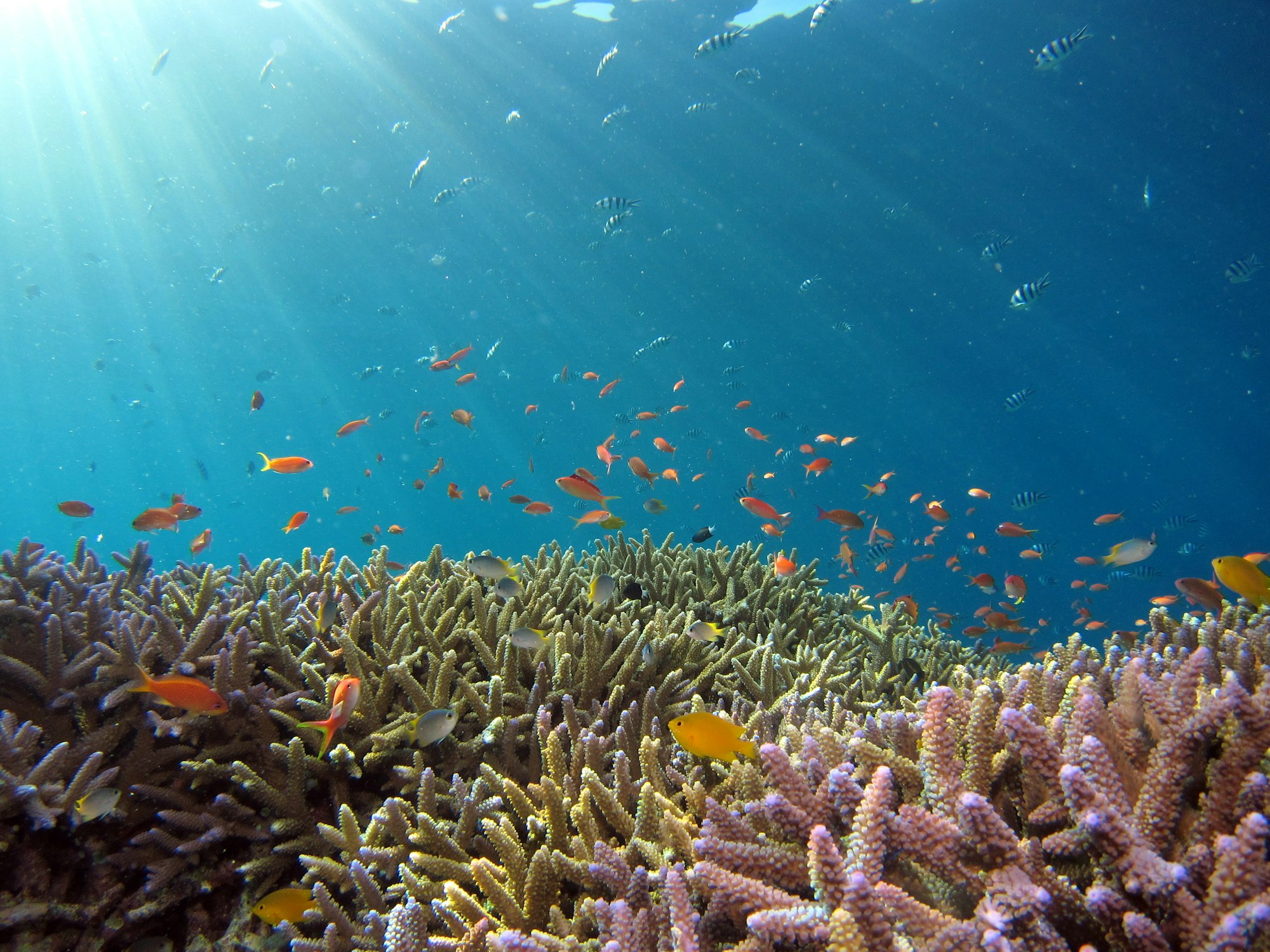
Abu Dabab 6 is one of the southernmost numbered entry points along Abu Dabbab Bay, sitting slightly further from the main tourist beach and therefore often quieter than the more northerly entry points. Like all sites in the bay, it offers direct access to the seagrass beds that sustain the resident dugong population and the green sea turtles for which Abu Dabbab is internationally renowned. The coral reef begins just beyond the seagrass zone and supports excellent marine biodiversity. The sheltered bay location keeps conditions calm for the majority of the year, making this an ideal beginner and family dive site.
Site Information
- Location: Abu Dabbab Bay (south), north of Marsa Alam, Red Sea, Egypt
- Entry Type: Shore entry
- Site Type: Reef
- Difficulty Level: Beginner
- Maximum Depth: 15 meters
- Typical Visibility: 15–25 meters
- Current: Minimal within the bay
- Best Time: Year-round; best October to April
Marine Life
The defining wildlife of Abu Dabbab Bay is its dugongs, which graze the extensive seagrass beds in the shallows year-round. Green sea turtles are an everyday sight, often resting in the seagrass or drifting along the reef edge. The reef itself holds abundant populations of wrasse, triggerfish, angelfish, and parrotfish. Octopus frequently shelter in rubble zones. Small reef sharks may be encountered on deeper sections of the outer reef.
Dive Profile
Enter from the beach and proceed across the seagrass flat at 2–6 m depth, moving slowly to maximise dugong and turtle encounter opportunities. The reef structure begins at around 8–10 m depth and can be explored to 15 m. Return via the seagrass on a slow ascent, completing your safety stop in the shallows.
Entry and Exit
Shore entry across the sandy beach. Local guides and equipment rental are available at the main Abu Dabbab facility. Fins on in the water to protect the seagrass habitat. The slightly more southerly position of entry point 6 means it is accessible to divers seeking a quieter experience during peak tourism months.
Tips and Recommendations
- Approach wildlife passively — dugongs and turtles are more likely to linger if divers remain still
- This entry point can be less crowded than more northerly points — ideal for a more relaxed dive
- Combine a dive with a snorkel session on the seagrass for maximum wildlife encounter time
- Warm water year-round makes a 3 mm wetsuit sufficient for most visitors (5 mm in winter)
- Underwater torches help reveal cryptic species in the reef crevices
Safety Considerations
Bay boat traffic is the primary hazard during busy months. Always surface with a visible SMB or tow-float. The seagrass and reef are protected — avoid touching or anchoring on them. Dive within your certification limits; the shallow depth makes this site very forgiving for beginners.
Photography
Outstanding wide-angle opportunities with dugong and turtle as the headline subjects. The shallow seagrass lit from above in morning light creates beautiful ambient exposures. Macro subjects including seahorses, pipefish, and flatworms inhabit the seagrass blades. Bring a dome port for split-level shots in the shallows.
Sources: Divezone - Red Sea, Dive the World - Egypt Red Sea, Red Sea Scuba Diving, PADI - Diving in Egypt. Last updated 2026-04-04.
Sea-surface temperature and wave height from Open-Meteo Marine (ERA5 reanalysis, monthly averages).
51 verified species observations (21 species) logged within ~11 km of this site between 1996 and 2026, from the Ocean Biodiversity Information System.
- Tursiops · Bottlenose dolphins
- Stenella longirostris · Spinner dolphin
- Tursiops aduncus · Indian ocean bottlenose dolphin
- Rhincodon typus · Whale Shark
- Balaenoptera edeni · Eden's whale
- Nerita sanguinolenta
- Conomurex fasciatus
- Maculastrombus mutabilis
- Clanculus
- Fasciolariidae
- Dolomena plicata
- Aplysia nigrocincta
Scientific survey records skew toward sampled taxa (molluscs, corals) and do not reflect what you are guaranteed to see on a dive.
Source: OBIS (obis.org), aggregated Darwin Core occurrence records.
Conditions change with the tide and the season. If you have dived this site, share what it was actually like — date, visibility, current, and what you saw. Real, recent reports from divers are exactly what this guide is built to collect.
Send a conditions report ›