Abu Diab
24.0540°N 35.6907°E · reef
Abu Diab is a remote coral reef dive site in the Fury Shoal area of the southern Red Sea, Egypt.
Overview
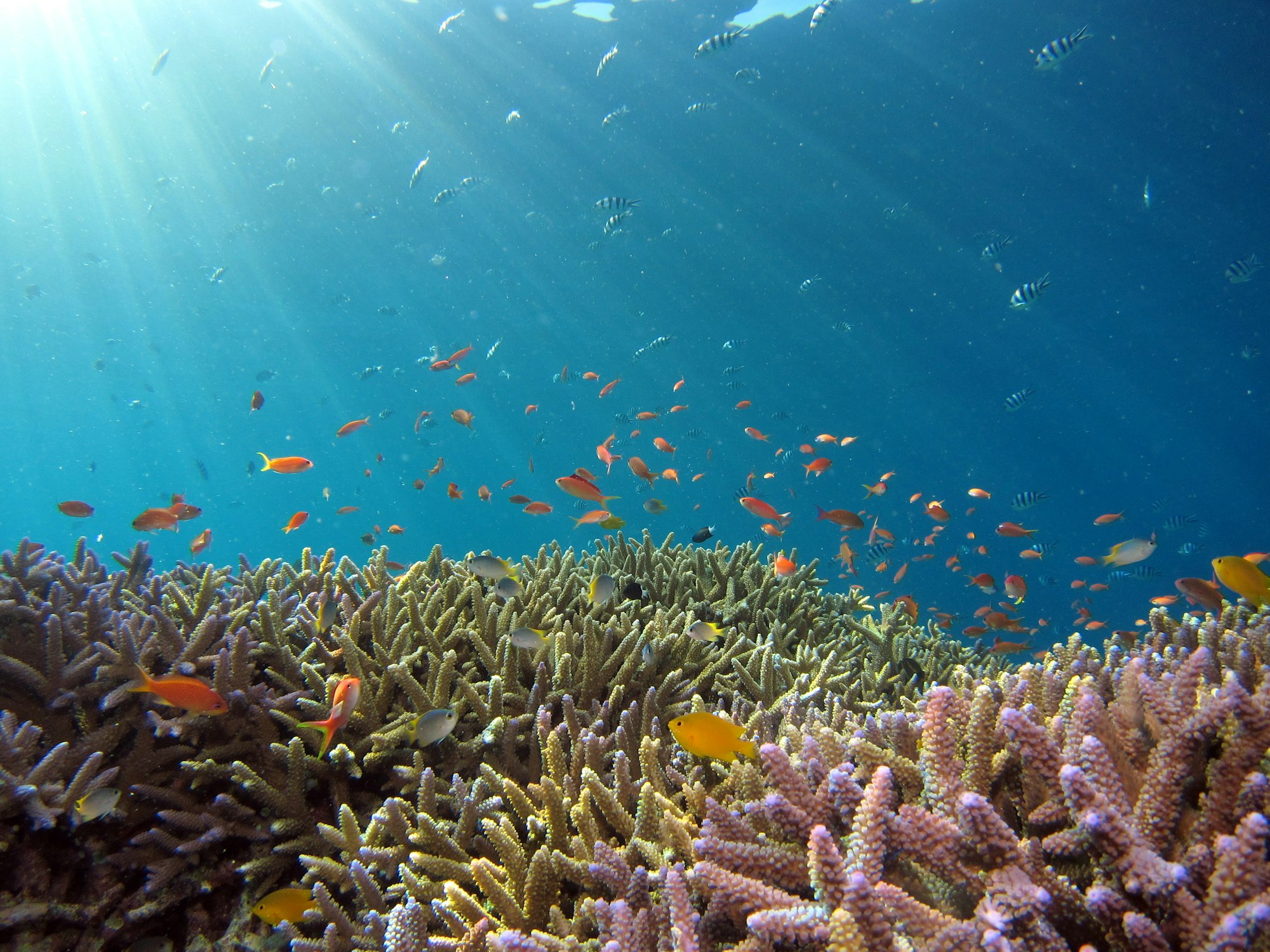
Abu Diab is part of the spectacular Fury Shoal complex — a vast system of submerged reefs, atolls, and lagoons stretching along the Egyptian coastline south of Marsa Alam, accessible only by liveaboard. The Fury Shoal area is widely regarded as one of Egypt’s most pristine and biodiverse diving regions, comparable in quality to the Brothers Islands but shallower and more sheltered. Abu Diab presents a classic Fury Shoal reef profile: a flat-topped coral garden descending into walls and sandy gutters, with exceptional coral health and a high density of marine life. The site’s remoteness means it receives far fewer divers than the northern Red Sea, and the undisturbed quality of the coral reflects this.
Site Information
- Location: Fury Shoal, south of Marsa Alam, Red Sea, Egypt
- Entry Type: Boat dive
- Site Type: Reef
- Difficulty Level: Intermediate
- Maximum Depth: 20 meters
- Typical Visibility: 25–40 meters
- Current: Variable; can be moderate to strong
- Best Time: October to April
Marine Life
Fury Shoal reefs like Abu Diab support extraordinary biodiversity. Sea turtles are common throughout the area. Large moray eels, grouper, and snapper are resident on the reef. Reef sharks cruise the outer slopes. Eagle rays and manta rays have been reported in the open water around Fury Shoal. Diverse soft corals, sea fans, and healthy hard coral formations provide habitat for an abundance of smaller reef species.
Dive Profile
Descend to the reef crest at 5–8 m and explore the coral garden before dropping to the outer wall at 10–20 m. The wall sections feature overhanging corals and sea fans. Work into the sandy gutters for rays and macro life, then ascend the reef for a safety stop among the coral heads.
Entry and Exit
Access exclusively by liveaboard from Port Ghalib, Hamata, or Marsa Alam. No day-trip access is practical at this distance from shore. Liveaboard guides will conduct a site briefing and lead the dive; follow their instructions for descent, navigation, and ascent.
Tips and Recommendations
- Budget three to four dives at Fury Shoal to appreciate the variety of reef structures in the system
- The shallow coral garden is superb and worth spending as much time here as on the deeper slopes
- Camera batteries and memory cards should be fully prepared — Fury Shoal provides prolific shooting opportunities
- Night dives at Fury Shoal are particularly recommended — coral polyps extended and cephalopod activity is high
- Plan your liveaboard itinerary to include at least one full day at Fury Shoal
Safety Considerations
Remote location — no shore-based emergency support. Follow all liveaboard safety protocols. Dive conservatively and monitor your air and NDLs carefully. Carry an SMB and a safety whistle on every dive.
Photography
Exceptional wide-angle conditions with pristine coral and clear water. The marine life is relatively undisturbed and approachable. Eagle rays and turtles offer classic wide-angle subjects. Macro life on the reef includes nudibranchs, flatworms, and cryptic shrimp species. The visibility and coral health rival any site in the Red Sea.
Sources: Divezone - Red Sea, Dive the World - Egypt Red Sea, Red Sea Scuba Diving, PADI - Diving in Egypt. Last updated 2026-04-04.
Sea-surface temperature and wave height from Open-Meteo Marine (ERA5 reanalysis, monthly averages).
20 verified species observations (10 species) logged within ~11 km of this site between 1994 and 2014, from the Ocean Biodiversity Information System.
- Tursiops truncatus · Common bottlenose dolphin
- Stenella longirostris · Spinner dolphin
- Tursiops aduncus · Indian ocean bottlenose dolphin
- Doridida
- Dendrodoris nigra
- Sebadoris fragilis
- Vasticardium marerubrum
- Gymnodoris subflava
- Pleurehdera stellata
- Discodoris
Scientific survey records skew toward sampled taxa (molluscs, corals) and do not reflect what you are guaranteed to see on a dive.
Source: OBIS (obis.org), aggregated Darwin Core occurrence records.
Conditions change with the tide and the season. If you have dived this site, share what it was actually like — date, visibility, current, and what you saw. Real, recent reports from divers are exactly what this guide is built to collect.
Send a conditions report ›