Abu Galawa Soraya
24.2520°N 35.5408°E · reef
Abu Galawa Soraya is a coral reef dive site in the Fury Shoal system, southern Red Sea, Egypt.
Overview
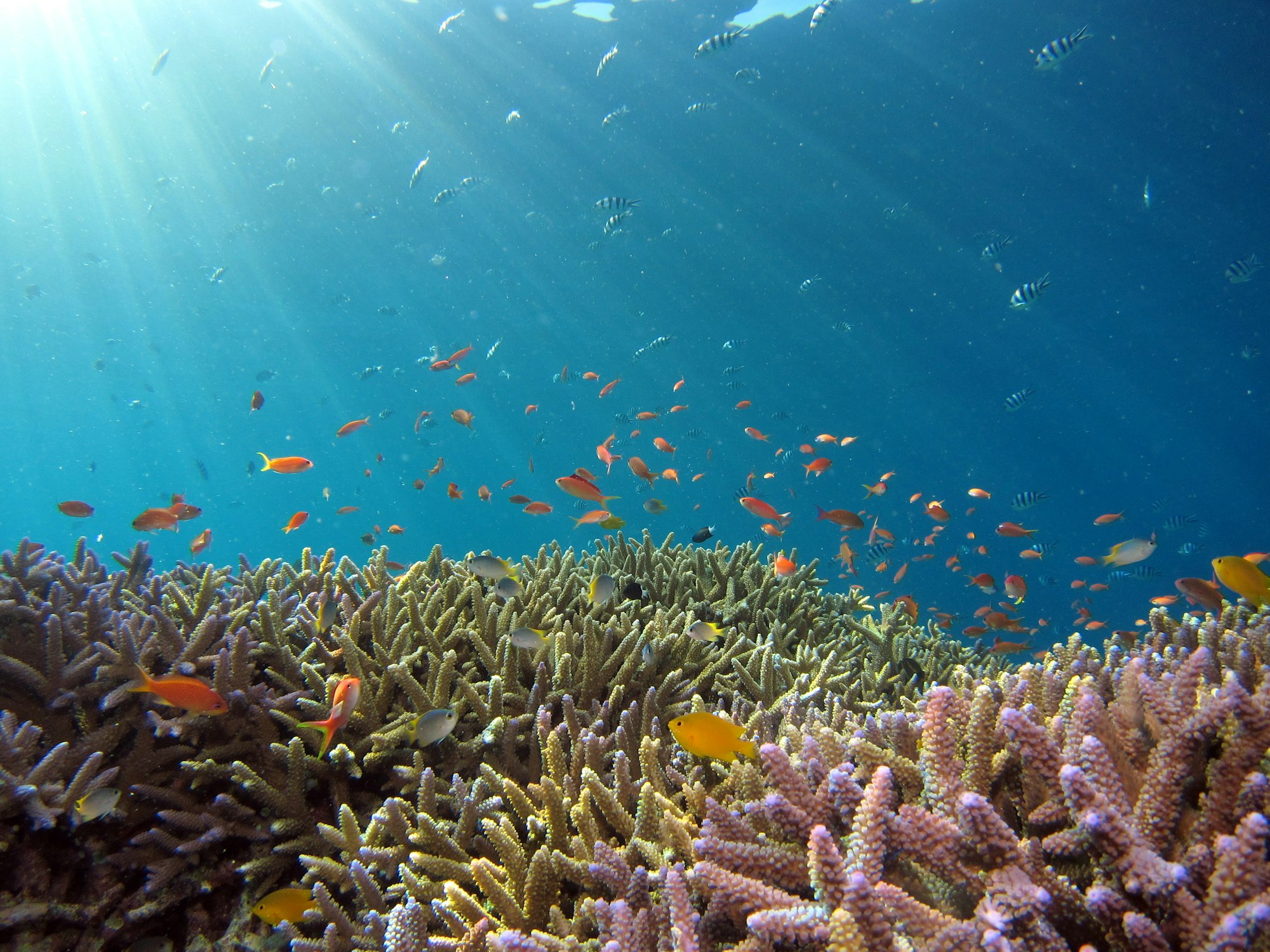
Abu Galawa Soraya is the smaller counterpart to Abu Galawa Kebir, sitting slightly to the north within the broader Fury Shoal complex. Like Kebir, it features a sheltered lagoon enclosed by a horseshoe-shaped reef, creating calm, crystal-clear conditions with exceptional coral coverage. The name “Soraya” distinguishes it as the secondary Abu Galawa site (Kebir means “big” in Arabic). The reef here is shallow — primarily between 5 and 15 metres — making it an outstanding snorkel and shallow-dive destination with dramatic coral formations and abundant reef life. The lagoon’s enclosed character concentrates marine life within a small area, making encounters very reliable.
Site Information
- Location: Fury Shoal (Abu Galawa Soraya lagoon), south of Marsa Alam, Red Sea, Egypt
- Entry Type: Boat dive
- Site Type: Reef
- Difficulty Level: Intermediate
- Maximum Depth: 20 meters
- Typical Visibility: 25–40 meters
- Current: Minimal within lagoon
- Best Time: October to April
Marine Life
The sheltered lagoon is a haven for turtles, which are frequently seen resting on the shallow coral or grazing on algae. humphead wrasse are a constant presence in Fury Shoal lagoons. Reef sharks patrol the outer reef perimeter. Dense concentrations of schooling fish — fusiliers, anthias, snapper — fill the lagoon mid-water. The coral garden on the lagoon floor is rich with table corals, brain corals, and sea fans. Moray eels and lionfish occupy crevices throughout.
Dive Profile
Descend from the inflatable into the lagoon. Explore the coral structures on the lagoon floor at 5–12 m. The outer reef can be accessed through channels at 15–20 m for more open-water diving. Return to the lagoon interior for a safety stop — the shallow coral garden at 3–5 m is outstanding.
Entry and Exit
By liveaboard from Port Ghalib, Hamata, or Marsa Alam. The lagoon can typically be entered by inflatable tender from the liveaboard anchored nearby. The site is frequently combined with Abu Galawa Kebir in liveaboard itineraries.
Tips and Recommendations
- Abu Galawa Soraya is ideal for a relaxed, exploratory dive — there is no need to rush through the sites
- The lagoon is a particularly good option for less confident divers on a liveaboard trip due to the calm, sheltered conditions
- Look for turtles in the shallower coral areas — they are very reliable here
- The outer reef channels are worth exploring if conditions allow, offering a contrast to the lagoon interior
- Combine with a night dive at Abu Galawa Kebir for a memorable liveaboard evening
Safety Considerations
The enclosed lagoon is among the safest dive environments in the Red Sea. Be cautious at the lagoon exit channels where current from the open sea may funnel through. Always carry an SMB. Coral heads are shallow in places — maintain careful buoyancy.
Photography
The turquoise lagoon with pristine coral and clear water creates extraordinary ambient-light photography conditions. Turtles are approachable and reliably encountered. Wide-angle shots of the coral garden with blue lagoon water above make for stunning results. The compact lagoon makes it easy to cover the entire site in a single dive and photograph varied subjects.
Sources: Divezone - Red Sea, Dive the World - Egypt Red Sea, Red Sea Scuba Diving, PADI - Diving in Egypt. Last updated 2026-04-04.
Sea-surface temperature and wave height from Open-Meteo Marine (ERA5 reanalysis, monthly averages).
13 verified species observations (6 species) logged within ~11 km of this site between 2003 and 2012, from the Ocean Biodiversity Information System.
- Tursiops truncatus · Common bottlenose dolphin
- Stenella longirostris · Spinner dolphin
- Stenella attenuata · Pantropical spotted dolphin
- Tursiops aduncus · Indian ocean bottlenose dolphin
- Pseudorca crassidens · False killer whale
- Balaenoptera · Baleen whales
Scientific survey records skew toward sampled taxa (molluscs, corals) and do not reflect what you are guaranteed to see on a dive.
Source: OBIS (obis.org), aggregated Darwin Core occurrence records.
Conditions change with the tide and the season. If you have dived this site, share what it was actually like — date, visibility, current, and what you saw. Real, recent reports from divers are exactly what this guide is built to collect.
Send a conditions report ›