Abu Hashish Drift
27.0167°N 33.9242°E · drift
Abu Hashish Drift is a drift dive site at Ras Abu Hashish, north of Hurghada, Red Sea, Egypt.
Overview
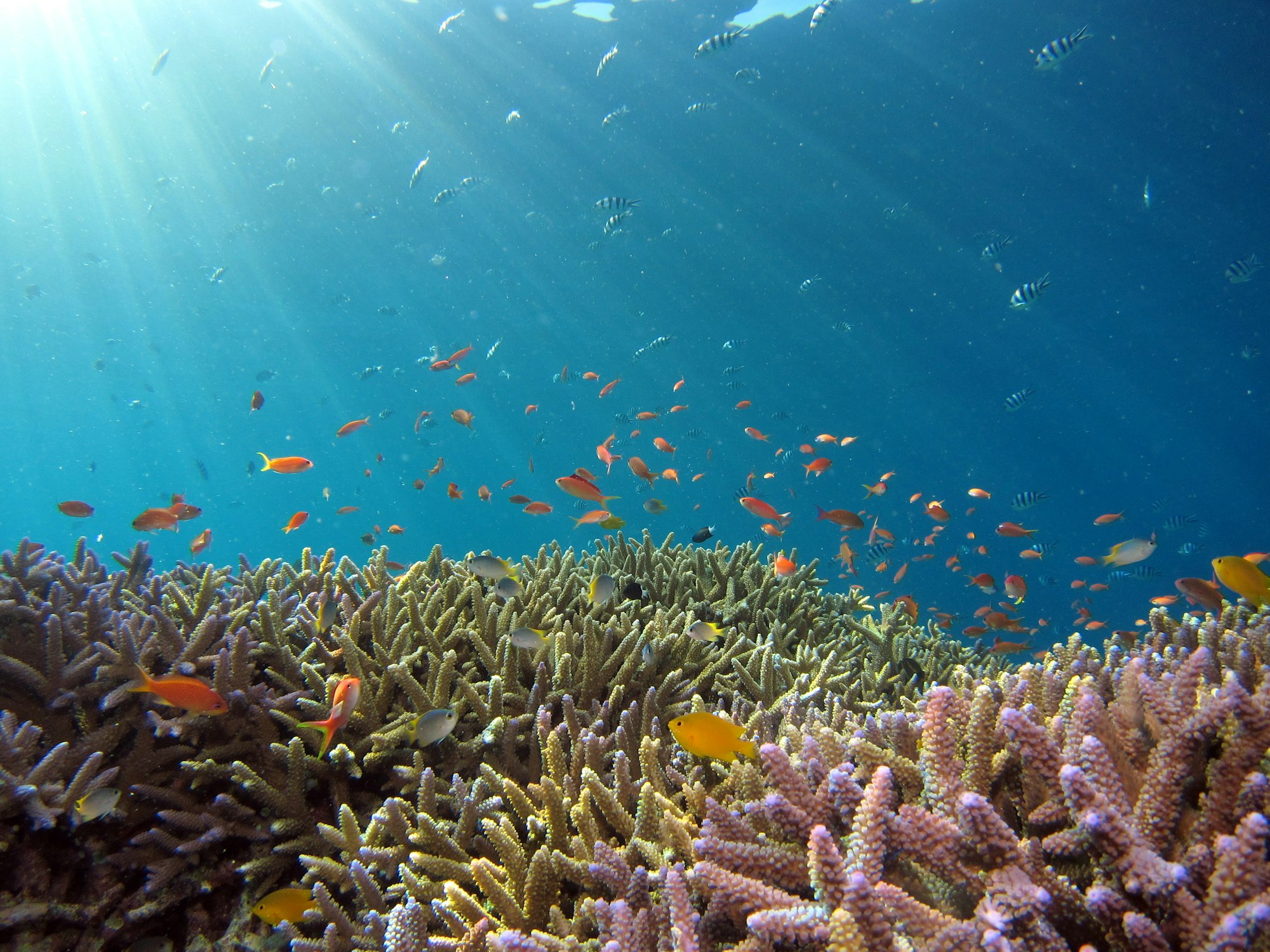
Abu Hashish is a headland north of Hurghada that creates the topographic conditions for the currents that drive one of the area’s most enjoyable drift dives. When the current runs, divers can be carried effortlessly along the reef wall, covering significant ground with minimal effort while observing the rich marine life stirred into activity by the moving water. The reef at Abu Hashish Drift is characterised by healthy hard and soft coral formations on a wall and slope profile, with the current bringing planktivores and mid-water species into open water where they can be more easily observed. This is one of the Hurghada area’s classic current dives.
Site Information
- Location: Ras Abu Hashish, north of Hurghada, Red Sea, Egypt
- Entry Type: Boat dive
- Site Type: Drift dive
- Difficulty Level: Intermediate
- Maximum Depth: 20 meters
- Typical Visibility: 20–35 meters
- Current: Moderate to strong; tidal and wind dependent
- Best Time: October to May
Marine Life
Current diving at Abu Hashish brings pelagic visitors closer to the reef. Barracuda and trevally school in the current above the reef. Reef sharks use the current to patrol with minimal effort. Anthias and other planktivores form dense clouds along the current-facing reef wall. Eagle rays are occasionally spotted gliding in the blue. The coral wall itself supports moray eels, lionfish, and a full complement of resident reef species.
Dive Profile
Board the dive boat from Hurghada and motor to Abu Hashish. Assess the current direction and strength before entering. Descend quickly to the reef wall at 10–15 m and let the current take you along the face. Maintain awareness of depth to avoid being carried too deep. After 30–40 minutes of drift, ascend the wall and deploy an SMB for boat pickup at the surface.
Entry and Exit
By day-trip boat from Hurghada. Most operators time this dive to coincide with optimal current conditions. Back roll entry. The exit is a drift ascent — no fixed point — so SMB deployment and boat coordination are essential.
Tips and Recommendations
- Current direction and strength can vary — follow the dive guide’s instructions for optimal entry point
- Reef hooks are permitted and useful at spots where you want to hover and observe without fighting current
- Keep your buddy close — drift dives can separate pairs quickly in strong current
- Experienced divers can request deep drift passes along the wall base in the 18–20 m range
- Combine with the adjacent Abu Hashish Lagoon site for a contrasting second dive of the day
Safety Considerations
Current dives require more active safety planning. Every diver must carry a personal SMB. Establish a meeting protocol before the dive in case of separation. Be aware of boat traffic in the Hurghada fairways — surface conspicuously and listen for engine noise before fully surfacing.
Photography
Drift photography rewards the wide-angle approach. Schools of barracuda and trevally in the current make dramatic subjects. The current-facing reef wall, draped in soft corals and sea fans, photographs beautifully with natural light. Time exposures carefully — drift speed means subjects change quickly.
Sources: Divezone - Red Sea, Dive the World - Egypt Red Sea, Red Sea Scuba Diving, PADI - Diving in Egypt. Last updated 2026-04-04.
Sea-surface temperature and wave height from Open-Meteo Marine (ERA5 reanalysis, monthly averages).
817 verified species observations (399 species) logged within ~11 km of this site between 1996 and 2014, from the Ocean Biodiversity Information System.
- Myurella nebulosa
- Clanculus pharaonius
- Atactodea striata
- Planaxis savignyi
- Clivipollia incarnata
- Purpurcapsula rubramaculosa
- Smaragdia rangiana
- Quadrans sericatus
- Petrolisthes boscii
- Apicomplexa
- Sphingomonas
- Ichthyosporea
Scientific survey records skew toward sampled taxa (molluscs, corals) and do not reflect what you are guaranteed to see on a dive.
Source: OBIS (obis.org), aggregated Darwin Core occurrence records.
Conditions change with the tide and the season. If you have dived this site, share what it was actually like — date, visibility, current, and what you saw. Real, recent reports from divers are exactly what this guide is built to collect.
Send a conditions report ›