Abu Hashish Lagoon
27.0126°N 33.9239°E · reef
Abu Hashish Lagoon is a sheltered coral reef dive site in the Abu Hashish area, north of Hurghada, Red Sea, Egypt.
Overview
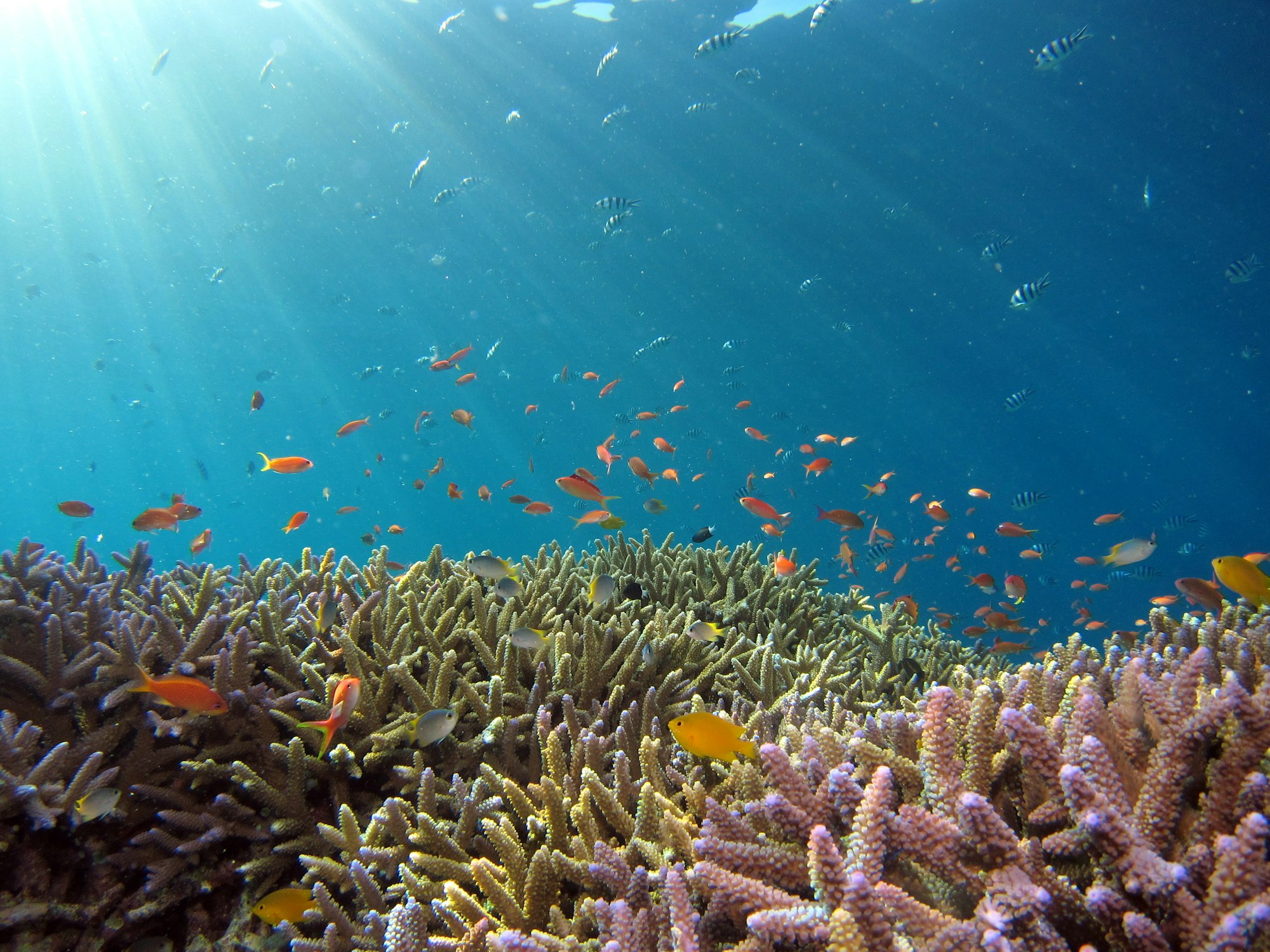
Abu Hashish Lagoon occupies the sheltered side of the Ras Abu Hashish headland, offering a calmer and more intimate dive experience compared to the exposed drift at the same cape. The lagoon’s enclosed or semi-enclosed nature provides protection from wind and wave action, making it suitable on days when the open reef face carries too much current for comfortable diving. The coral formations in the lagoon are characteristically Red Sea in nature: dense growths of table Acropora, brain corals, and sea fans on a gently sloping reef structure, with sand and rubble zones between coral heads hosting diverse cryptic species.
Site Information
- Location: Ras Abu Hashish (lagoon side), north of Hurghada, Red Sea, Egypt
- Entry Type: Boat dive
- Site Type: Reef
- Difficulty Level: Intermediate
- Maximum Depth: 20 meters
- Typical Visibility: 20–30 meters
- Current: Minimal to light; sheltered conditions
- Best Time: Year-round; winter months offer best visibility
Marine Life
The sheltered lagoon environment hosts a resident reef community. Turtles are regularly seen in the Abu Hashish area, including in the lagoon. Moray eels inhabit crevices in the coral structure. Grouper and snapper patrol in small groups. Diverse butterflyfish and angelfish species are conspicuous on the coral. The sandy margins are productive for flatworms, nudibranchs, and small crustaceans. Glassfish aggregations appear in sheltered crevices.
Dive Profile
Descend from the boat into the lagoon and explore the coral structures in the 5–15 m range. The lagoon profile is relatively flat, making navigation straightforward. Work the coral heads systematically, checking crevices for cryptic species. The lagoon’s benign conditions allow extended bottom time. Complete a safety stop in the shallow coral garden before ascending.
Entry and Exit
By day-trip boat from Hurghada. The lagoon is a natural shelter for dive boats in moderate weather. Entry is typically giant stride. Exit via dive ladder. The site is easily combined with Abu Hashish Drift for a varied two-dive day trip.
Tips and Recommendations
- This is a good choice for a relaxed second dive after the more demanding Abu Hashish Drift
- Take time with macro life — the sandy margins and rubble zones in the lagoon reward slow, careful observation
- The lagoon is a good option when sea conditions outside are rough
- Beginners and improvers can develop buoyancy skills in the calm lagoon environment
- A dive torch helps reveal the colours of coral in crevices and illuminates cryptic species
Safety Considerations
Lagoon conditions are generally benign, but maintain awareness of depth and air consumption. The coral structures in shallow areas can be fragile — excellent buoyancy control is always required to protect the reef. Be alert to day-trip boat traffic in the lagoon entrance.
Photography
The calm conditions make this an excellent macro photography site. Nudibranchs, flatworms, and ornate ghost pipefish are found on the sandy margins. The coral structures offer good wide-angle compositions with fish. The sheltered light inside the lagoon is soft and even, beneficial for ambient exposure in the shallower reef sections.
Sources: Divezone - Red Sea, Dive the World - Egypt Red Sea, Red Sea Scuba Diving, PADI - Diving in Egypt. Last updated 2026-04-04.
Sea-surface temperature and wave height from Open-Meteo Marine (ERA5 reanalysis, monthly averages).
818 verified species observations (399 species) logged within ~11 km of this site between 1996 and 2014, from the Ocean Biodiversity Information System.
- Myurella nebulosa
- Clanculus pharaonius
- Conomurex fasciatus
- Atactodea striata
- Planaxis savignyi
- Clivipollia incarnata
- Purpurcapsula rubramaculosa
- Smaragdia rangiana
- Quadrans sericatus
- Petrolisthes boscii
- Apicomplexa
- Sphingomonas
Scientific survey records skew toward sampled taxa (molluscs, corals) and do not reflect what you are guaranteed to see on a dive.
Source: OBIS (obis.org), aggregated Darwin Core occurrence records.
Conditions change with the tide and the season. If you have dived this site, share what it was actually like — date, visibility, current, and what you saw. Real, recent reports from divers are exactly what this guide is built to collect.
Send a conditions report ›