Abu Kafan
26.6557°N 34.1076°E · reef
Abu Kafan is a coral reef dive site near Safaga, on the central Egyptian Red Sea coast.
Overview
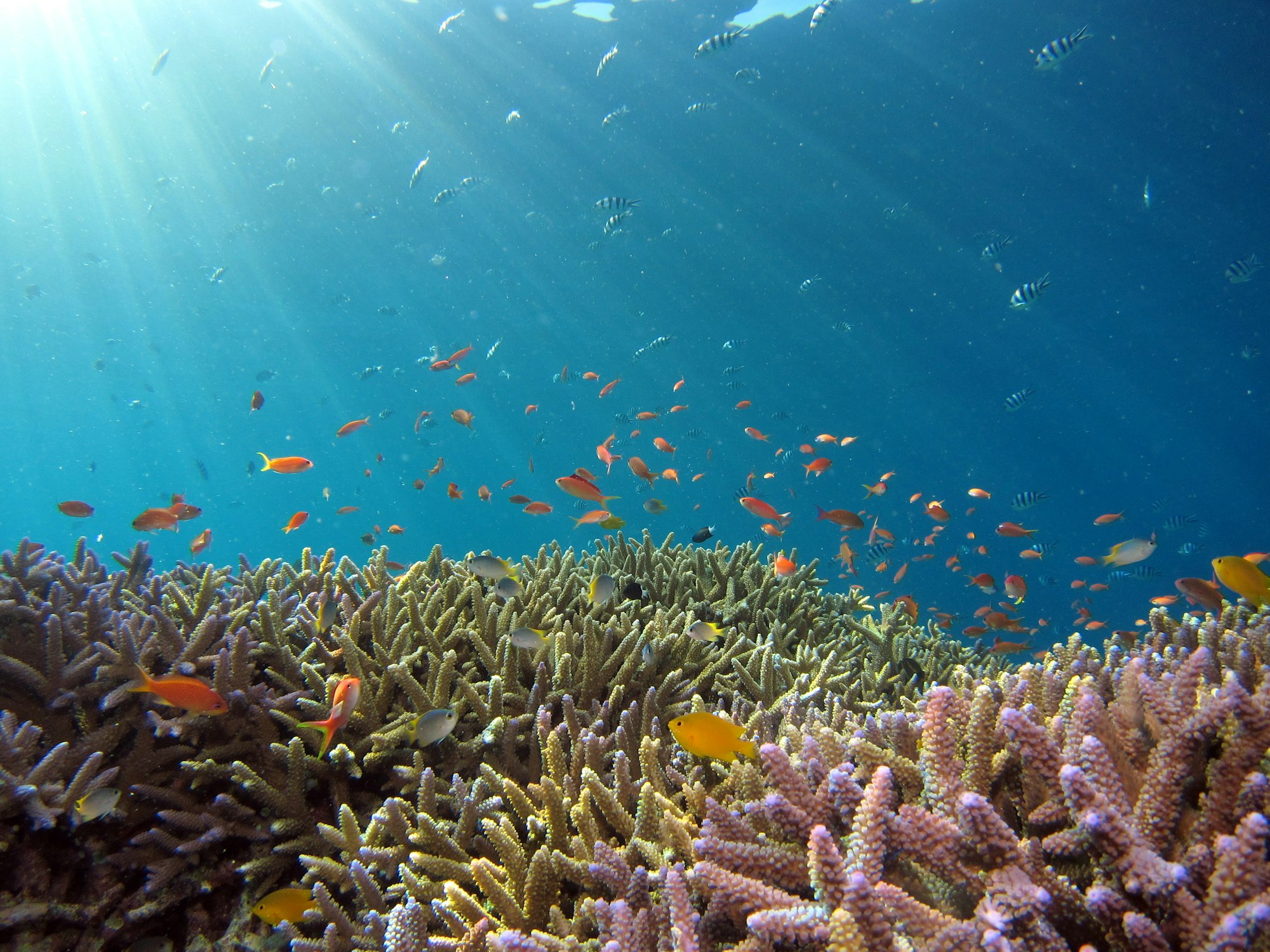
Abu Kafan lies in the Safaga area, a dive hub situated between Hurghada to the north and Quseir to the south. The Safaga region is well known to experienced Red Sea divers for its varied dive sites and slightly fewer crowds than Hurghada. Abu Kafan is a classic Red Sea offshore reef — a submerged structure rising from a sandy bottom surrounded by deep open water, with the pronounced coral coverage and fish aggregations typical of isolated reefs. The site benefits from the nutrient flow across the central Red Sea shelf, supporting a diverse and active marine community.
Site Information
- Location: Safaga area, central Red Sea coast, Egypt
- Entry Type: Boat dive
- Site Type: Reef
- Difficulty Level: Intermediate
- Maximum Depth: 20 meters
- Typical Visibility: 20–35 meters
- Current: Moderate; can vary with season and wind
- Best Time: October to May
Marine Life
Isolated reefs in the Safaga area attract a good cross-section of Red Sea pelagics alongside resident reef species. Reef sharks and occasional hammerhead sharks have been reported at Safaga reefs, which sit on the migration corridor for these species. Barracuda and trevally school above the reef. The coral structure hosts grouper, snapper, and moray eels. Turtles are regularly seen. The Safaga area is particularly noted for spinner dolphins, which sometimes approach dive boats and divers.
Dive Profile
Descend onto the reef structure and orient with the main reef axis. Explore the shallower coral garden at 5–10 m before dropping to the reef flanks at 12–20 m. Work around the reef to maximise the variety of coral types and habitats encountered. Ascend and conduct a safety stop in the shallow section.
Entry and Exit
By day-trip boat from Safaga. Numerous operators based at Safaga marina offer access to offshore reefs in the area. Giant stride entry; SMB ascent. Some operators also run liveaboard programs departing from Safaga.
Tips and Recommendations
- Safaga is quieter than Hurghada — an excellent base for divers who prefer smaller groups
- Check the season — spinner dolphin encounters are more common in certain months; ask local operators
- The Safaga area is on the route for liveaboards heading south toward Brothers and Elphinstone
- Bring a reef hook if the reef is known for current — ask the local guide on the day
- Pair with nearby Salem Express or Panorama Reef for a varied Safaga day-trip schedule
Safety Considerations
Open-water boat diving with standard current and surface-traffic considerations. Deploy an SMB before ascending. Monitor air carefully on any drift section. The Safaga area has good emergency support via the town’s medical facilities.
Photography
Safaga reefs offer reliable conditions for underwater photography. Wide-angle coral and fish scenes work well in the clear water. Any dolphin encounters provide unique open-water photography opportunities. The reef’s isolated character concentrates marine life for efficient subject-finding.
Sources: Divezone - Red Sea, Dive the World - Egypt Red Sea, Red Sea Scuba Diving, PADI - Diving in Egypt. Last updated 2026-04-04.
Sea-surface temperature and wave height from Open-Meteo Marine (ERA5 reanalysis, monthly averages).
251 verified species observations (242 species) logged within ~11 km of this site between 1921 and 2016, from the Ocean Biodiversity Information System.
- Stenella longirostris · Spinner dolphin
- Tursiops aduncus · Indian ocean bottlenose dolphin
- Tursiops · Bottlenose dolphins
- Pseudorca crassidens · False killer whale
- Nerita sanguinolenta
- Littoraria scabra
- Clypeaster humilis
- Tetrachthamalus
- Chthamalus
- Pirellula
- Oceanicola
- Thalassia hemprichii
Scientific survey records skew toward sampled taxa (molluscs, corals) and do not reflect what you are guaranteed to see on a dive.
Source: OBIS (obis.org), aggregated Darwin Core occurrence records.
Conditions change with the tide and the season. If you have dived this site, share what it was actually like — date, visibility, current, and what you saw. Real, recent reports from divers are exactly what this guide is built to collect.
Send a conditions report ›