Abu Ramada Cave
27.1606°N 33.9825°E · drift
Abu Ramada Cave is a drift dive site off Abu Ramada Island near Hurghada, Red Sea, Egypt.
Overview
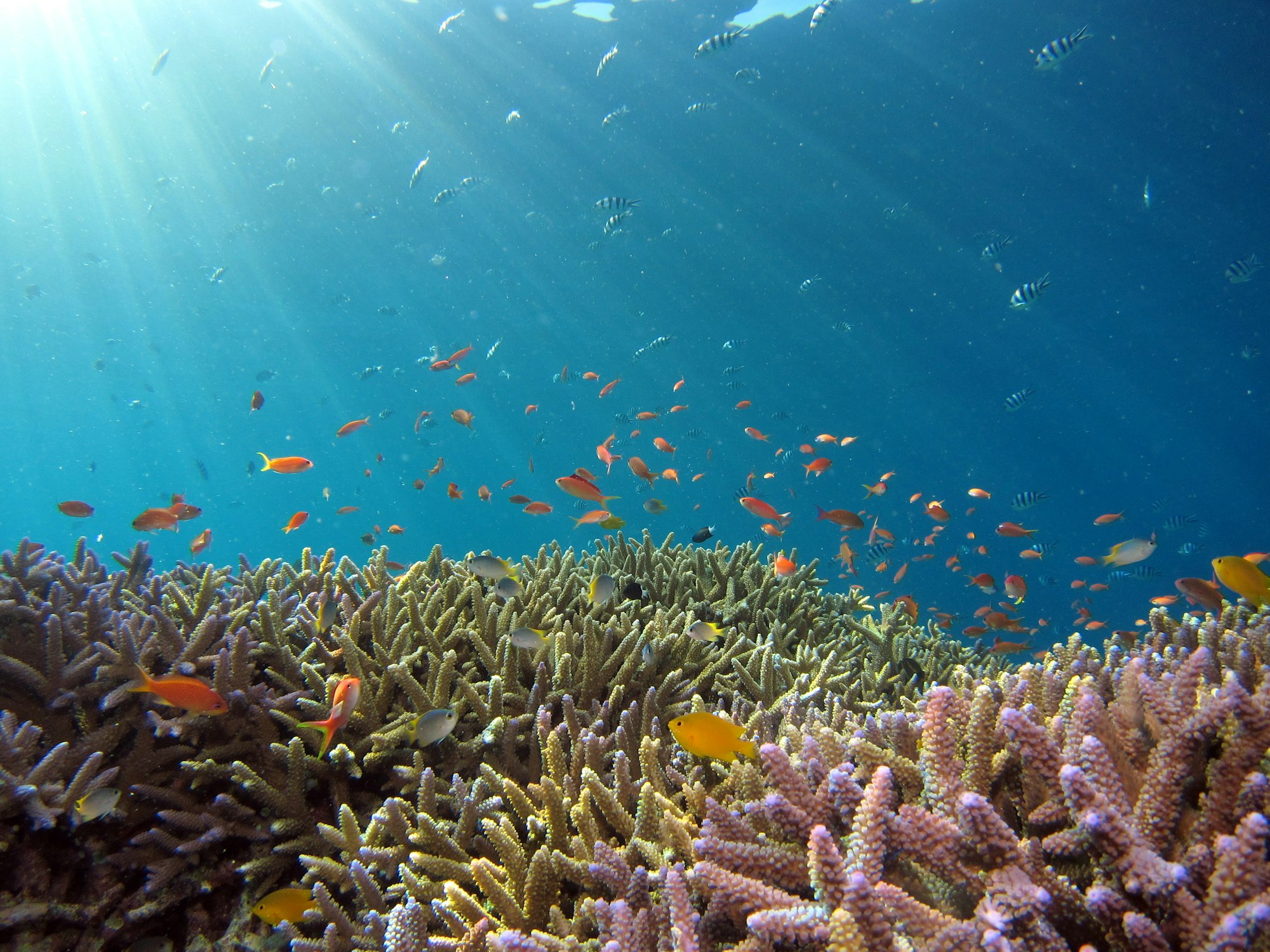
Abu Ramada Cave sits on the southern edge of Abu Ramada Island, one of the coral island clusters scattered along the northern stretch of Egypt’s Red Sea coast. The site is named for a natural cave formation in the reef wall that divers can explore at the turnaround point of a drift dive. The reef here drops from a shallow plateau down through a series of terraces covered in hard and soft corals, with the cave providing shelter for resident fish and a dramatic focal point for the dive. Currents running along the island’s southern face make this a genuine drift experience, sweeping divers through gardens of gorgonian fans and table corals.
Site Information
- Location: Abu Ramada Island, Hurghada, Red Sea, Egypt
- Entry Type: Boat dive
- Site Type: Drift dive
- Difficulty Level: Intermediate
- Maximum Depth: 20 meters
- Typical Visibility: 15-30 meters
- Current: Moderate to strong, direction varies with tide
- Best Time: October to May
Marine Life
The drift along Abu Ramada Cave’s southern wall regularly produces sightings of humphead wrasse cruising in the current, along with large schools of glassy sweepers sheltering inside and around the cave entrance. Bluespotted ribbontail rays rest on sandy patches between coral heads, while lionfish and scorpionfish blend into the reef structure. Reef sharks are occasional visitors, and green sea turtles are frequently spotted resting on the coral terraces. The cave interior harbors moray eels, shrimp, and a variety of invertebrates.
Dive Profile
Descend to the reef top at 5–8 meters and allow the current to carry you southward along the wall. The cave entrance opens at roughly 12–15 meters and is large enough for divers to enter and turn around without penetration training, though a torch is useful for viewing the interior detail. Continue the drift along the outer reef face to a maximum of 20 meters, then begin a gradual ascent along the wall. Allow ample gas reserve for a 3-minute safety stop at 5 meters before surfacing for boat pickup.
Entry and Exit
Boats moor on the northern, sheltered side of the island. Entry is via giant stride or back roll from the dive boat. Drift with the current toward the southern tip and signal the chase boat when ascending. Deploy your SMB at the start of your safety stop to mark your position for pickup.
Tips and Recommendations
- Carry a torch even for the external cave approach — the interior colors are dramatic when illuminated
- Confirm current direction with the dive guide before descent, as flow reverses with tidal change
- This site pairs well with Abu Ramada Plateau for a two-dive day
- Bring a reef hook if permitted — resting on the rock face while watching the current-driven fish action is rewarding
- Start the dive with a full cylinder; drift pace can vary and bottom time management is important
Safety Considerations
Currents can accelerate unexpectedly around the island’s southern tip. Divers should be comfortable with drift diving and capable of deploying an SMB while neutrally buoyant. The cave entrance is swimthrough-style rather than a penetration dive, but avoid forcing entry during surge. Fire coral is present on the shallower sections of the reef. Always carry a dive knife or shears in case of monofilament entanglement.
Photography
The cave entrance provides a natural frame for wide-angle shots with sunlight streaming in from the opening. The drift section offers opportunities to photograph humphead wrasse and turtles in open water. Inside the cave, a strobe is essential to bring out the crimson and orange sponges coating the walls.
Sources: Divezone - Red Sea, Dive the World - Egypt Red Sea, Red Sea Scuba Diving, PADI - Diving in Egypt. Last updated 2026-04-04.
Sea-surface temperature and wave height from Open-Meteo Marine (ERA5 reanalysis, monthly averages).
86 verified species observations (71 species) logged within ~11 km of this site between 1833 and 2010, from the Ocean Biodiversity Information System.
- Amblygobius albimaculatus
- Amphiprion bicinctus
- Hipposcarus harid
- Gobiodon
- Tursiops aduncus · Indian ocean bottlenose dolphin
- Corythoichthys flavofasciatus
- Chlorurus sordidus
- Megaptera novaeangliae · Humpback whale
- Apogon coccineus
- Salarias fasciatus
- Meiacanthus nigrolineatus
- Paragobiodon modestus
Scientific survey records skew toward sampled taxa (molluscs, corals) and do not reflect what you are guaranteed to see on a dive.
Source: OBIS (obis.org), aggregated Darwin Core occurrence records.
Conditions change with the tide and the season. If you have dived this site, share what it was actually like — date, visibility, current, and what you saw. Real, recent reports from divers are exactly what this guide is built to collect.
Send a conditions report ›