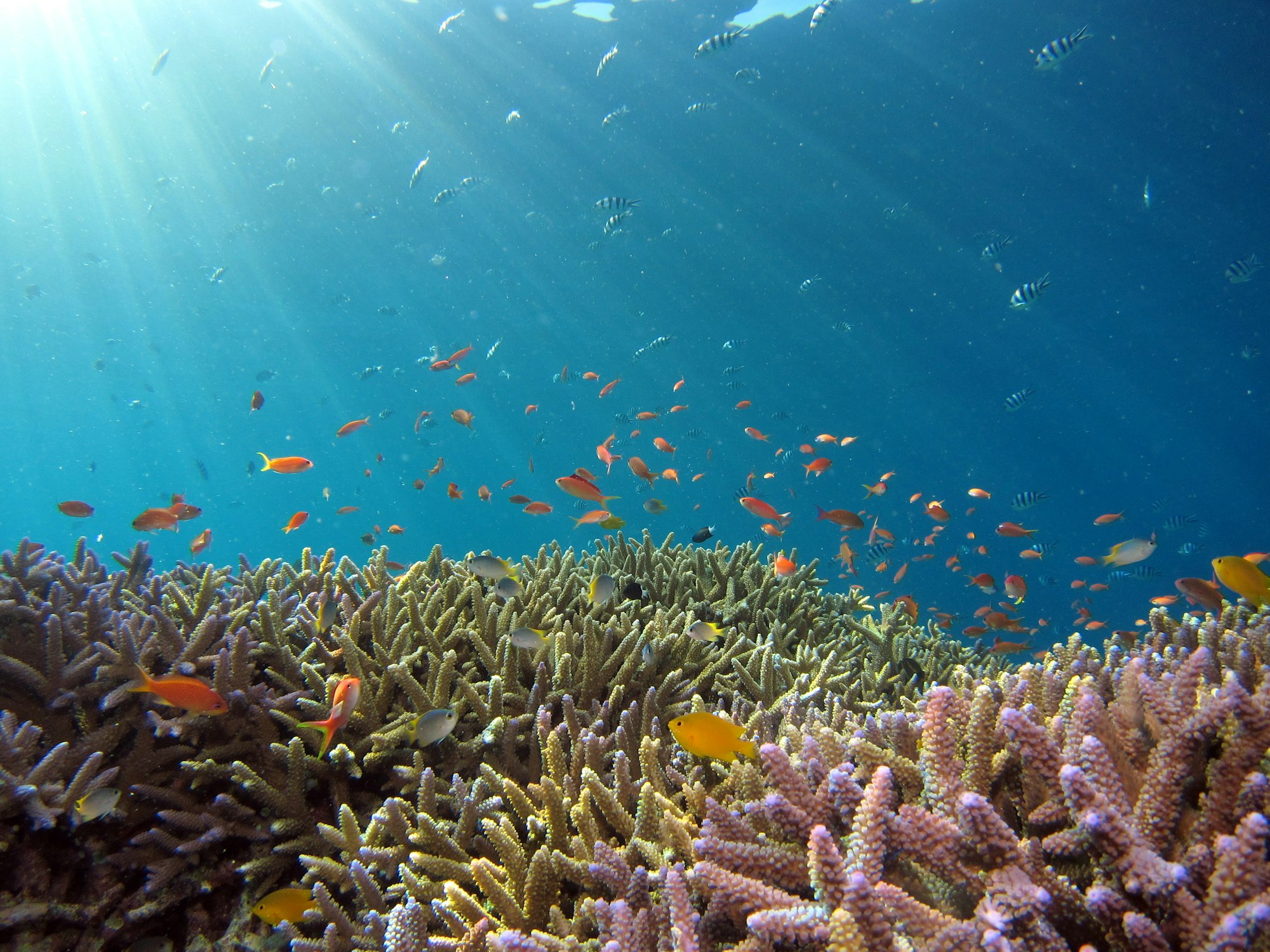
Abu Ramada - Ost
27.1628°N 33.9844°E · reef
Abu Ramada Ost (East) is a coral reef dive on the eastern face of Abu Ramada Island near Hurghada, Red Sea, Egypt.
Overview
The eastern face of Abu Ramada Island presents a classic Red Sea fringing reef, with a shallow coral garden giving way to a sloping wall draped in hard and soft corals. This side of the island receives morning sun, flooding the reef with warm, clear light and making it particularly photogenic for early dives. Dense table corals and brain corals dominate the upper reef at 5–10 meters, while the slope below transitions into fan-covered rocky outcroppings populated with a rich variety of reef fish. The site is a regular stop on Hurghada day-trip itineraries and offers reliable conditions when northerly winds create chop in the open water.
Site Information
- Location: Abu Ramada Island (East), Hurghada, Red Sea, Egypt
- Entry Type: Boat dive
- Site Type: Reef
- Difficulty Level: Intermediate
- Maximum Depth: 20 meters
- Typical Visibility: 15-30 meters
- Current: Light to moderate
- Best Time: October to May
Marine Life
Abu Ramada’s eastern reef is notable for its resident humphead wrasse, which are accustomed to divers and approach closely. Large parrotfish graze the coral heads, while scorpionfish and stonefish sit motionless among rubble patches. Schools of snappers and fusiliers gather in the water column above the slope. Hawksbill turtles are frequently found resting on the coral, and moray eels inhabit crevices throughout the site. Anthias and chromis swarm the soft coral branches at mid-depth in impressive numbers.
Dive Profile
Begin at the mooring buoy and descend to the reef crest at 5–7 meters. Explore the table coral garden before dropping down the slope to 15–20 meters, following the reef contour. The most productive marine life zone lies between 8 and 18 meters. Ascend gradually along the reef slope, spending the final portion of the dive on the shallow terrace before completing your safety stop over the sandy substrate adjacent to the reef.
Entry and Exit
Boat entry via giant stride from the dive platform. The mooring is positioned on the reef’s northern end; work southward along the eastern face. Return along the reef top or surface and signal for pickup with your SMB.
Tips and Recommendations
- Morning dives benefit from direct sunlight on this eastward-facing wall
- Watch for camouflaged scorpionfish in rubble zones — look before placing hands
- The humphead wrasse here are approachable; avoid crowding or chasing them
- Suitable for Open Water divers with good buoyancy control
- Pair with Abu Ramada Plateau for an easy two-dive day from Hurghada
Safety Considerations
Light to moderate current is typical; strong currents can occasionally sweep divers off the reef edge. Maintain reef awareness and return to the boat before air reserves drop below 50 bar. Fire coral is present on exposed ridge sections — a full wetsuit is recommended. Lionfish rest along the slope; neutral buoyancy protects both the diver and the reef.
Photography
Excellent wide-angle opportunities on the table coral garden at 5–10 meters where natural light is abundant. Seek macro subjects — nudibranchs, blennies, and cleaner shrimp — in crevices between coral heads. The resident humphead wrasse make for memorable portrait shots.
Sources: Divezone - Red Sea, Dive the World - Egypt Red Sea, Red Sea Scuba Diving, PADI - Diving in Egypt. Last updated 2026-04-04.
Sea-surface temperature and wave height from Open-Meteo Marine (ERA5 reanalysis, monthly averages).
84 verified species observations (69 species) logged within ~11 km of this site between 1833 and 2010, from the Ocean Biodiversity Information System.
- Amblygobius albimaculatus
- Amphiprion bicinctus
- Hipposcarus harid
- Gobiodon
- Tursiops aduncus · Indian ocean bottlenose dolphin
- Corythoichthys flavofasciatus
- Chlorurus sordidus
- Megaptera novaeangliae · Humpback whale
- Apogon coccineus
- Salarias fasciatus
- Meiacanthus nigrolineatus
- Paragobiodon modestus
Scientific survey records skew toward sampled taxa (molluscs, corals) and do not reflect what you are guaranteed to see on a dive.
Source: OBIS (obis.org), aggregated Darwin Core occurrence records.
Conditions change with the tide and the season. If you have dived this site, share what it was actually like — date, visibility, current, and what you saw. Real, recent reports from divers are exactly what this guide is built to collect.
Send a conditions report ›