Abu Salama
27.3417°N 33.7829°E · reef
Abu Salama is a coral reef dive site south of Hurghada in the Egyptian Red Sea, positioned at approximately 27.34°N, 33.78°E in the reef-studded waters between Hurghada and El Quseir.
Overview
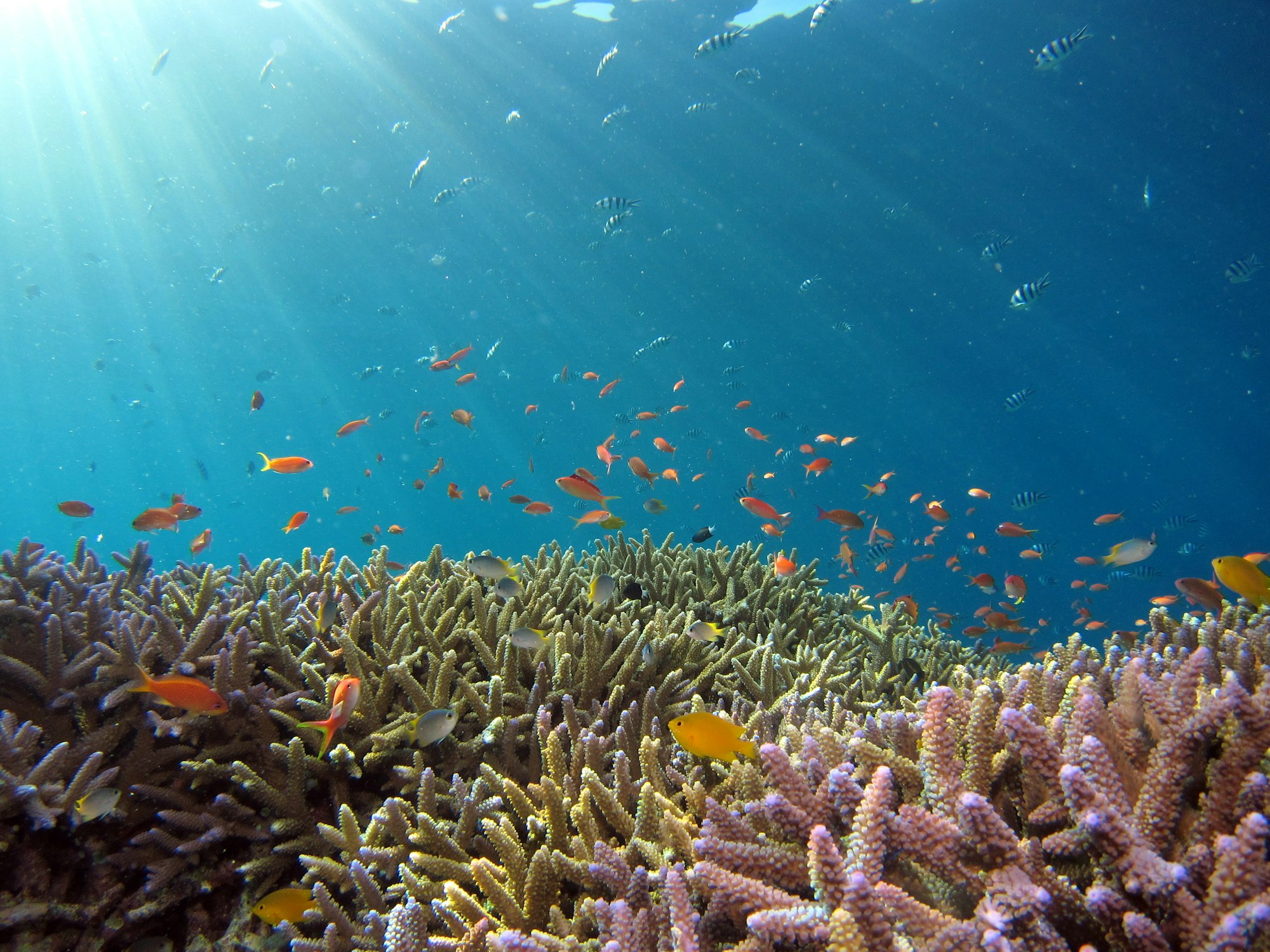
Abu Salama is one of the scattered offshore and nearshore reef structures along the central Egyptian Red Sea coast, representing the productive mid-coast reef diving that bridges the well-known northern resort sites and the more remote southern liveaboard destinations. The site features the classic Egyptian reef format — a shallow platform transitioning to a gently sloping reef face with hard and soft coral communities extending to around 20 meters. This stretch of coast benefits from moderate diver traffic, meaning the reef sees enough visits to be well-documented but retains healthy fish populations and coral coverage.
Site Information
- Location: Hurghada-El Quseir coast, Red Sea, Egypt
- Entry Type: Boat dive
- Site Type: Reef
- Difficulty Level: Intermediate
- Maximum Depth: 20 meters
- Typical Visibility: 15-25 meters
- Current: Light to moderate
- Best Time: October to May
Marine Life
The reef supports the characteristic community of northern and central Egyptian Red Sea species. humphead wrasse are reported as residents, circling the reef mid-water. Parrotfish, surgeonfish, and groupers are abundant. Sea turtles rest on the reef and are commonly encountered. Moray eels occupy crevices throughout, and lionfish patrol the shaded undersides of coral tables. The sandy margin at the reef base hosts garden eels and bluespotted ribbontail rays, making a slow exploration of the base zone worthwhile.
Dive Profile
Begin at the reef crest at 5–8 meters and follow the slope down to the 15–20 meter mark, working along the reef contour. The most productive zone for fish life is the mid-reef at 8–15 meters, where coral diversity peaks. Allow time to explore the sandy base before ascending through the coral gardens. Complete a safety stop at 3–5 meters on the shallow reef top.
Entry and Exit
Day boat access from Hurghada or El Quseir operators. Entry via giant stride or back roll from the dive deck. Deploy SMB before ascending for boat pickup.
Tips and Recommendations
- A solid intermediate reef dive well-suited to diving visitors staying in Hurghada who want variety beyond the most-visited sites
- Look at the sandy base carefully for ray and garden eel sightings
- The site is often combined with other reefs in the same area for a multi-dive day
- Afternoon dives on east-facing sections of this coast benefit from calmer afternoon conditions
Safety Considerations
Light to moderate current is typical at this site. Fire coral is present on protruding reef sections — maintain neutral buoyancy. Always carry an SMB and deploy before ascending from any open-water position. Sun protection is essential given the strong UV at this latitude.
Photography
The coral formations at 8–12 meters provide strong wide-angle subject matter in good natural light. The sandy base offers ray and garden eel subjects for photographers willing to explore the lowest section. humphead wrasse and sea turtle portraits are achievable with patient positioning.
Sources: Divezone - Red Sea, Dive the World - Egypt Red Sea, Red Sea Scuba Diving, PADI - Diving in Egypt. Last updated 2026-04-04.
Sea-surface temperature and wave height from Open-Meteo Marine (ERA5 reanalysis, monthly averages).
597 verified species observations (234 species) logged within ~11 km of this site between 1928 and 2025, from the Ocean Biodiversity Information System.
- Tursiops aduncus · Indian ocean bottlenose dolphin
- Sousa chinensis · Chinese white dolphin
- Anyperodon leucogrammicus
- Haliophis guttatus
- Amblygobius albimaculatus
- Zebrasoma velifer
- Pomacentrus trilineatus
- Chlorurus sordidus
- Pomacentrus
- Pseudochromis olivaceus
- Neoglyphidodon melas
- Doryrhamphus abbreviatus
Scientific survey records skew toward sampled taxa (molluscs, corals) and do not reflect what you are guaranteed to see on a dive.
Source: OBIS (obis.org), aggregated Darwin Core occurrence records.
Conditions change with the tide and the season. If you have dived this site, share what it was actually like — date, visibility, current, and what you saw. Real, recent reports from divers are exactly what this guide is built to collect.
Send a conditions report ›