Abu Soma Paradise House Reef
26.7941°N 33.9413°E · reef
Abu Soma Paradise House Reef
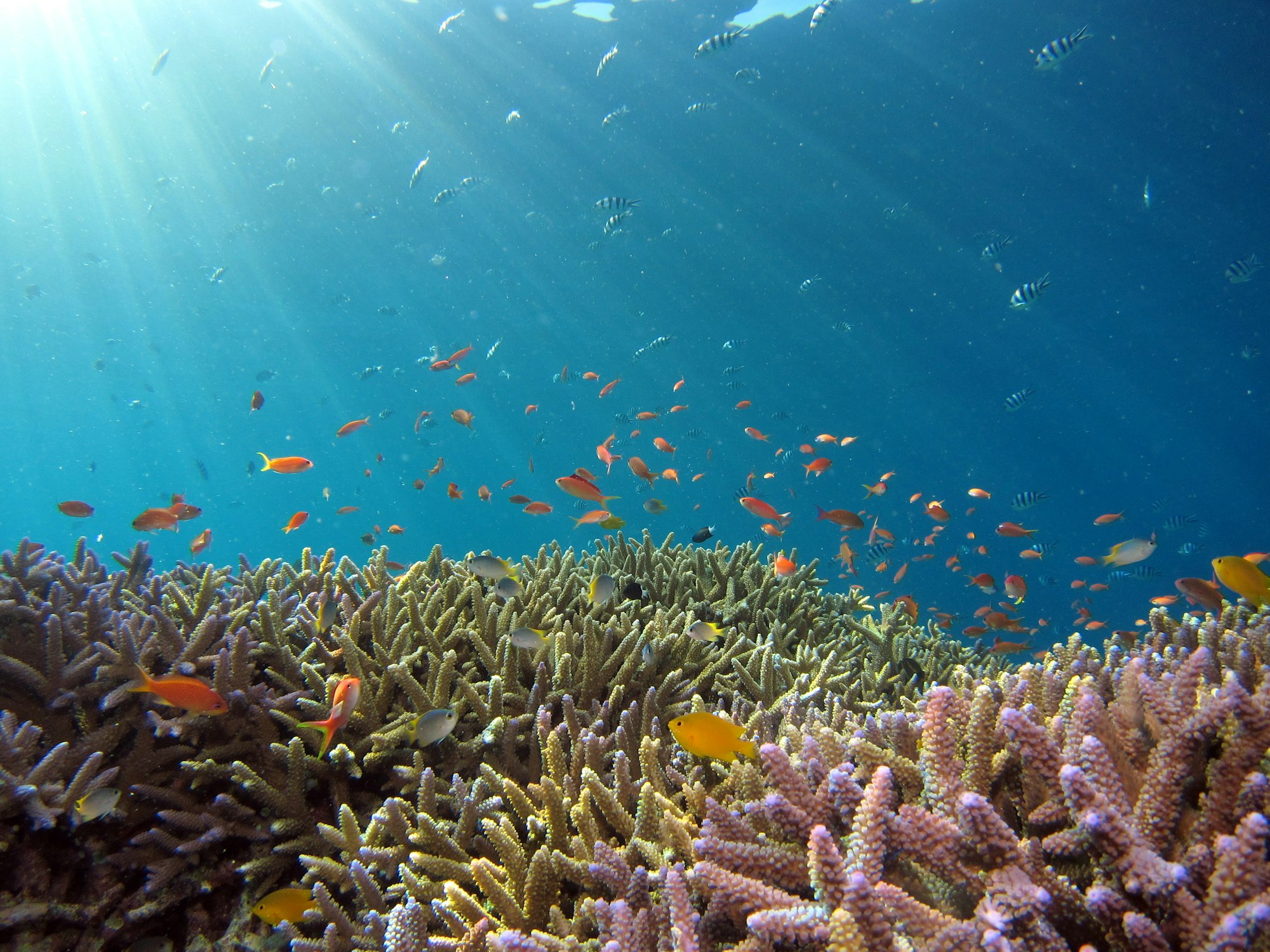
The house reef of the Paradise Hotel in Abu Soma Bay — a sheltered shore-entry fringing reef with sandy channels, anemone gardens, and the calm, shallow character that makes it ideal for night dives and early morning training sessions.
Overview
Abu Soma Paradise House Reef is the designated house reef of the Paradise Hotel in Abu Soma Bay at approximately 26.79°N, 33.94°E — south of Hurghada and accessible directly from the hotel beach. Abu Soma Bay lies between Hurghada and Safaga, in a coastal zone known for protected bay conditions. House reefs in this part of the central Egyptian Red Sea provide accessible, shore-entry diving without the time and cost of a day-boat operation. The reef maxes out at 16 metres and is appropriate for beginner divers, snorkellers, and those wanting multiple dives per day without logistical constraints. The bay’s protected position ensures calm conditions in most weather.
Site Information
- Location: Abu Soma Bay, central Egyptian Red Sea (~26.79°N, 33.94°E)
- Entry Type: Shore entry
- Site Type: Reef
- Difficulty Level: Beginner
- Maximum Depth: 16 meters
- Typical Visibility: 10–20 meters
- Current: Generally very mild; sheltered bay
- Best Time: Year-round
Marine Life
Anemones with resident clownfish are distributed across the shallow reef sections at 4–8 metres. The sandy channels between reef structures hold blue-spotted stingrays and occasional flounder. Moray eels in the reef crevices. Cleaning stations in the 8–12 metre zone attract groupers. Schools of snapper and anthias on the outer reef edge. The house reef character means certain individual fish become habituated to daily diver contact — resident moray eels and groupers are often approachable. Night dives regularly produce octopuses, lionfish, and feeding moray eels on the sandy floor.
Dive Profile
Entry from the hotel beach at the reef edge. Descend to the sandy channel at 8–10 metres and explore the sandy zone for stingrays. Move to the reef face at 10–14 metres for the cleaning stations and outer reef section. The shallow reef top at 4–6 metres is excellent for snorkelling and the safety stop section. Night dives follow the same profile with torch navigation.
Entry and Exit
Shore entry from the Abu Soma Paradise Hotel beach. Entry and exit managed by the hotel dive centre. Beginners should enter with a guide for the first dive to learn the reef layout. The site is available for multiple dives per day and is operational year-round.
Tips and Recommendations
- Night dives from the hotel beach are a highlight — the reef transforms after dark with octopuses, feeding moray eels, and sleeping parrotfish visible in torch light
- The house reef suits certification training — the confined, shallow environment is ideal for skill practice before graduating to offshore sites
- Early morning dives (6:00–8:00am) produce the best light and least diver traffic on the reef
- The anemone gardens at 4–6 metres reward extended observation — multiple clownfish pairs occupy each anemone
Safety Considerations
Conditions are very mild and the site is among the most beginner-friendly in the Hurghada-Safaga region. Shore entry and exit requires wave and current assessment — while rare in the sheltered bay, occasional swell affects entry logistics. Fire coral on the reef crest. Urchins in crevices. Night dives require buddy torches and a reel/SMB for descent line management.
Photography
Clownfish-in-anemone portraits at 4–6 metres in morning light are the classic house reef subject — multiple opportunities within metres of the entry point. Night dive photography — octopus, scorpionfish, and feeding moray eel portraits with strobe flash — is accessible and productive. Sandy floor stingray portraits in ambient light at 8–10 metres.
Sources: Divezone - Red Sea, Dive the World - Egypt Red Sea, Red Sea Scuba Diving, PADI - Diving in Egypt. Last updated 2026-04-04.
Sea-surface temperature and wave height from Open-Meteo Marine (ERA5 reanalysis, monthly averages).
276 verified species observations (251 species) logged within ~11 km of this site between 1992 and 2023, from the Ocean Biodiversity Information System.
- Tursiops aduncus · Indian ocean bottlenose dolphin
- Stenella longirostris · Spinner dolphin
- Branchiostoma
- Balaenoptera omurai · Omurai's whale
- Hexabranchus sanguineus
- Epimenia
- Conus
- Thuridilla hopei
- Tellinidae
- Diodora ruppellii
- Conus arenatus
- Orphanopusia osiridis
Scientific survey records skew toward sampled taxa (molluscs, corals) and do not reflect what you are guaranteed to see on a dive.
Source: OBIS (obis.org), aggregated Darwin Core occurrence records.
Conditions change with the tide and the season. If you have dived this site, share what it was actually like — date, visibility, current, and what you saw. Real, recent reports from divers are exactly what this guide is built to collect.
Send a conditions report ›