Alternatives
27.7312°N 34.1968°E · reef
Alternatives is a reef dive site in the northern Red Sea near Sharm el-Sheikh, Sinai Peninsula, Egypt — typically dived as a secondary option when the main Ras Mohammed sites are inaccessible due to swell or current.
Overview
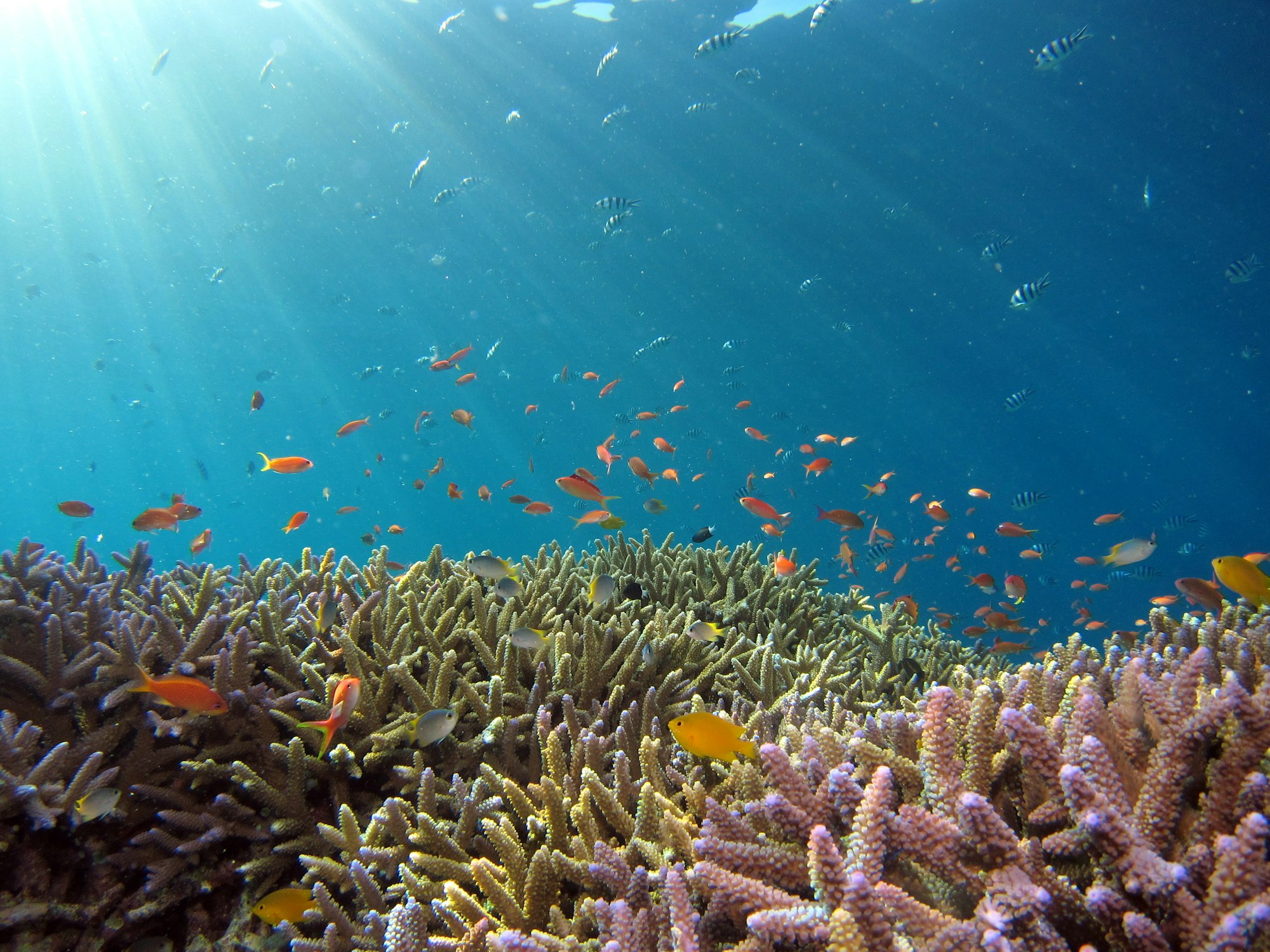
As the name implies, Alternatives serves as a reliable fallback site when conditions at the exposed pinnacles and headlands of Ras Mohammed National Park are unsuitable. The site features sloping coral gardens descending to around 25 meters, with healthy hard coral formations, table corals, and scattered sea fans. It is less dramatic than the headline Sinai sites but offers consistent marine life sightings and excellent conditions for less experienced divers. Visibility is typically 20–30 meters and water temperatures average 22–28°C.
Site Information
- Location: Red Sea, Egypt
- Entry Type: Boat dive
- Site Type: Reef
- Difficulty Level: Intermediate
- Maximum Depth: 25 meters
- Typical Visibility: 20–30 meters (65–100 feet)
- Current: Light to moderate
- Best Time: September to May
Marine Life
Reef fish life is abundant, with anthias, wrasse, and parrotfish typical of Sinai reefs. Moray eels occupy crevices in the coral. Turtles are regularly sighted resting on the reef, and with luck, white-tip reef sharks patrol the sandy channels between coral heads. Octopus are commonly found in the shallower sections.
Dive Profile
The dive generally begins in 5–8 meters of water at the reef crest and follows a gentle slope down to 20–25 meters. Coral coverage is strong on the upper sections; the deeper portions transition to more rubble and sand. Most marine life activity is concentrated in the 8–18 meter range. Plan to spend the bulk of bottom time here before ascending for a shallow safety stop.
Entry and Exit
Boat access from Sharm el-Sheikh or Naama Bay operators. Standard giant stride or back roll entry. The site is typically calm enough for uncomplicated exits. Deploy an SMB on ascent for boat pickup.
Tips and Recommendations
- A good choice for post-certification or refresher dives when bigger sites feel overwhelming
- Morning light provides the best visibility and reef colour
- Don’t underestimate the site — marine life sightings can surprise
- Bring an underwater camera for reef macro work
- Check with your operator for the latest conditions
Safety Considerations
Conditions are generally benign, but currents can pick up along the reef edge, particularly at tidal change. Maintain buoyancy awareness over shallow corals to avoid contact damage. Always carry an SMB.
Photography
The gentle slope and good ambient light make this an ideal wide-angle reef photography site. Macro subjects including nudibranchs, cleaner shrimp, and small gobies are common on the hard coral formations.
Sources: Divezone - Red Sea, Dive the World - Egypt Red Sea, Red Sea Scuba Diving, PADI - Diving in Egypt. Last updated 2026-04-04.
Sea-surface temperature and wave height from Open-Meteo Marine (ERA5 reanalysis, monthly averages).
369 verified species observations (266 species) logged within ~11 km of this site between 1967 and 2018, from the Ocean Biodiversity Information System.
- Rhincodon typus · Whale Shark
- Tursiops · Bottlenose dolphins
- Stenella attenuata · Pantropical spotted dolphin
- Grampus griseus · Risso's dolphin
- Tursiops truncatus · Common bottlenose dolphin
- Tursiops aduncus · Indian ocean bottlenose dolphin
- Priolepis cincta · Banded Reef Goby
- Stenella longirostris · Spinner dolphin
- Grammistes sexlineatus
- Ecsenius frontalis
- Trimma
- Oxycheilinus digramma
Scientific survey records skew toward sampled taxa (molluscs, corals) and do not reflect what you are guaranteed to see on a dive.
Source: OBIS (obis.org), aggregated Darwin Core occurrence records.
Conditions change with the tide and the season. If you have dived this site, share what it was actually like — date, visibility, current, and what you saw. Real, recent reports from divers are exactly what this guide is built to collect.
Send a conditions report ›