Anemone City
27.7274°N 34.2589°E · reef
Anemone City is a reef dive site in the Sinai Peninsula area of the northern Egyptian Red Sea, famous for its extraordinary density of sea anemones carpeting the reef and the resident clownfish populations that inhabit them.
Overview
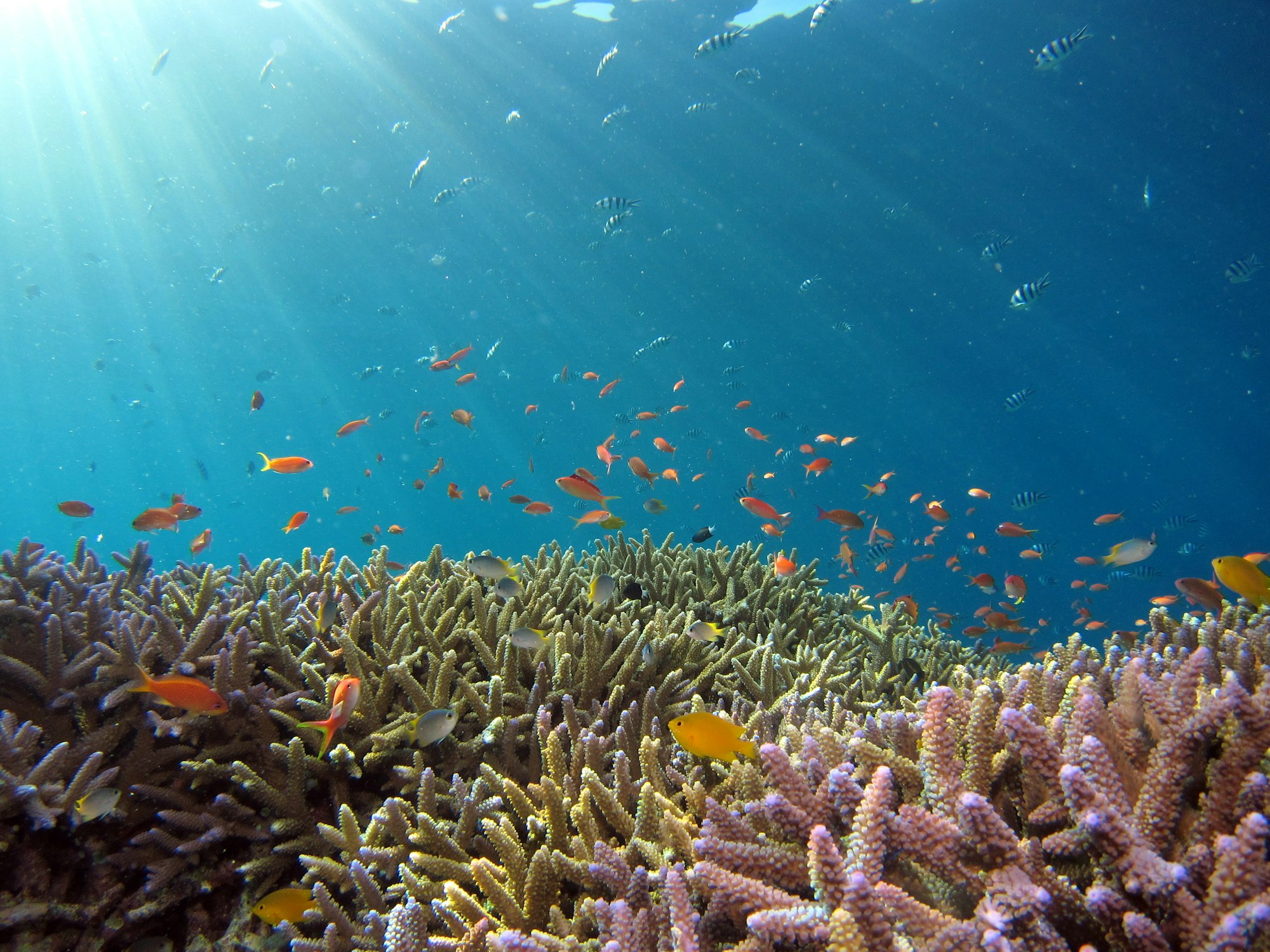
True to its name, Anemone City hosts one of the Red Sea’s most impressive concentrations of sea anemones. The reef plateau, lying at depths of 5–20 meters, is blanketed with large carpet anemones and elegant anemones in shades of purple, green, and white. Each hosts its obligate pair of Red Sea clownfish (Amphiprion bicinctus), creating a vivid and endlessly photogenic scene. Beyond the anemone-covered sections, the reef features healthy hard coral formations, bombies, and sandy channels. Visibility is typically excellent at 20–30 meters.
Site Information
- Location: Red Sea, Egypt
- Entry Type: Boat dive
- Site Type: Reef
- Difficulty Level: Intermediate
- Maximum Depth: 20 meters
- Typical Visibility: 20–30 meters (65–100 feet)
- Current: Light to moderate
- Best Time: September to May
Marine Life
The signature attraction is the abundant anemone-clownfish symbiosis — dozens of pairs can be observed in a single dive. Beneath the anemones, damselfishes aggressively defend territories. Reef species including wrasse, parrotfish, and butterfly fish are present throughout. Lionfish are common, often resting motionless near the reef base. Turtle sightings are frequent, and blue-spotted ribbontail rays are found resting on the sand.
Dive Profile
Descend to the sandy base at around 18–20 meters and work back up through the anemone fields on the reef slope. Spend extended time in the 8–15 meter range where anemone density is highest. The shallower reef crest is excellent for a prolonged safety stop with continued marine life interaction.
Entry and Exit
Boat access from Sharm el-Sheikh or Dahab operators. Entry by giant stride or back roll. The protected location usually ensures calm surface conditions. Deploy an SMB for ascent.
Tips and Recommendations
- Bring a macro lens for intimate clownfish portraits
- Approach anemones slowly to avoid triggering defensive withdrawal
- Multiple passes at different depths reveal different anemone species zones
- Dawn dives capture the best light for anemone photography
- This is a popular site — arrive early or plan a late afternoon dive for fewer crowds
Safety Considerations
Currents are usually light, but can pick up along the reef edge. Buoyancy control is critical to avoid damaging the anemone colonies. Lionfish present a stinging hazard — watch where you place your hands on the reef. Always carry an SMB.
Photography
Anemone City is one of the Red Sea’s premier macro photography sites. Wide-angle shots capturing multiple anemone colonies with clownfish are highly effective. Patience and slow approaches yield intimate close-focus portraits.
Sources: Divezone - Red Sea, Dive the World - Egypt Red Sea, Red Sea Scuba Diving, PADI - Diving in Egypt. Last updated 2026-04-04.
Sea-surface temperature and wave height from Open-Meteo Marine (ERA5 reanalysis, monthly averages).
373 verified species observations (270 species) logged within ~11 km of this site between 1828 and 2018, from the Ocean Biodiversity Information System.
- Rhincodon typus · Whale Shark
- Grampus griseus · Risso's dolphin
- Stenella attenuata · Pantropical spotted dolphin
- Tursiops · Bottlenose dolphins
- Tursiops truncatus · Common bottlenose dolphin
- Vinciguerria mabahiss
- Priolepis cincta · Banded Reef Goby
- Tursiops aduncus · Indian ocean bottlenose dolphin
- Pseudorca crassidens · False killer whale
- Stenella longirostris · Spinner dolphin
- Grammistes sexlineatus
- Ecsenius frontalis
Scientific survey records skew toward sampled taxa (molluscs, corals) and do not reflect what you are guaranteed to see on a dive.
Source: OBIS (obis.org), aggregated Darwin Core occurrence records.
Conditions change with the tide and the season. If you have dived this site, share what it was actually like — date, visibility, current, and what you saw. Real, recent reports from divers are exactly what this guide is built to collect.
Send a conditions report ›