Angarosh
20.8632°N 37.4380°E · reef
Angarosh is a remote reef system in the southern Red Sea off Sudan, best accessed by liveaboard. The name means “Mother of Sharks” in Arabic — a title this reef earns through consistently large aggregations of hammerhead sharks and grey reef sharks.
Overview
Angarosh is part of the Brothers-Daedalus-Elphinstone liveaboard circuit and is considered one of the premier shark diving destinations in the Red Sea. The reef rises from deep water to form a submerged plateau with dramatic walls on its northern and southern extremes. Hammerhead sharks are regularly encountered in schools in the early morning, often at or near the surface. Grey reef sharks, silvertip sharks, and occasional tiger sharks add to the pelagic interest. Visibility is outstanding at 25–40 meters in optimal conditions.
Site Information
- Location: Red Sea, Egypt
- Entry Type: Boat dive
- Site Type: Reef
- Difficulty Level: Intermediate
- Maximum Depth: 20 meters
- Typical Visibility: 25–40 meters (82–130 feet)
- Current: Moderate to strong
- Best Time: June to September (peak hammerhead season)
Marine Life
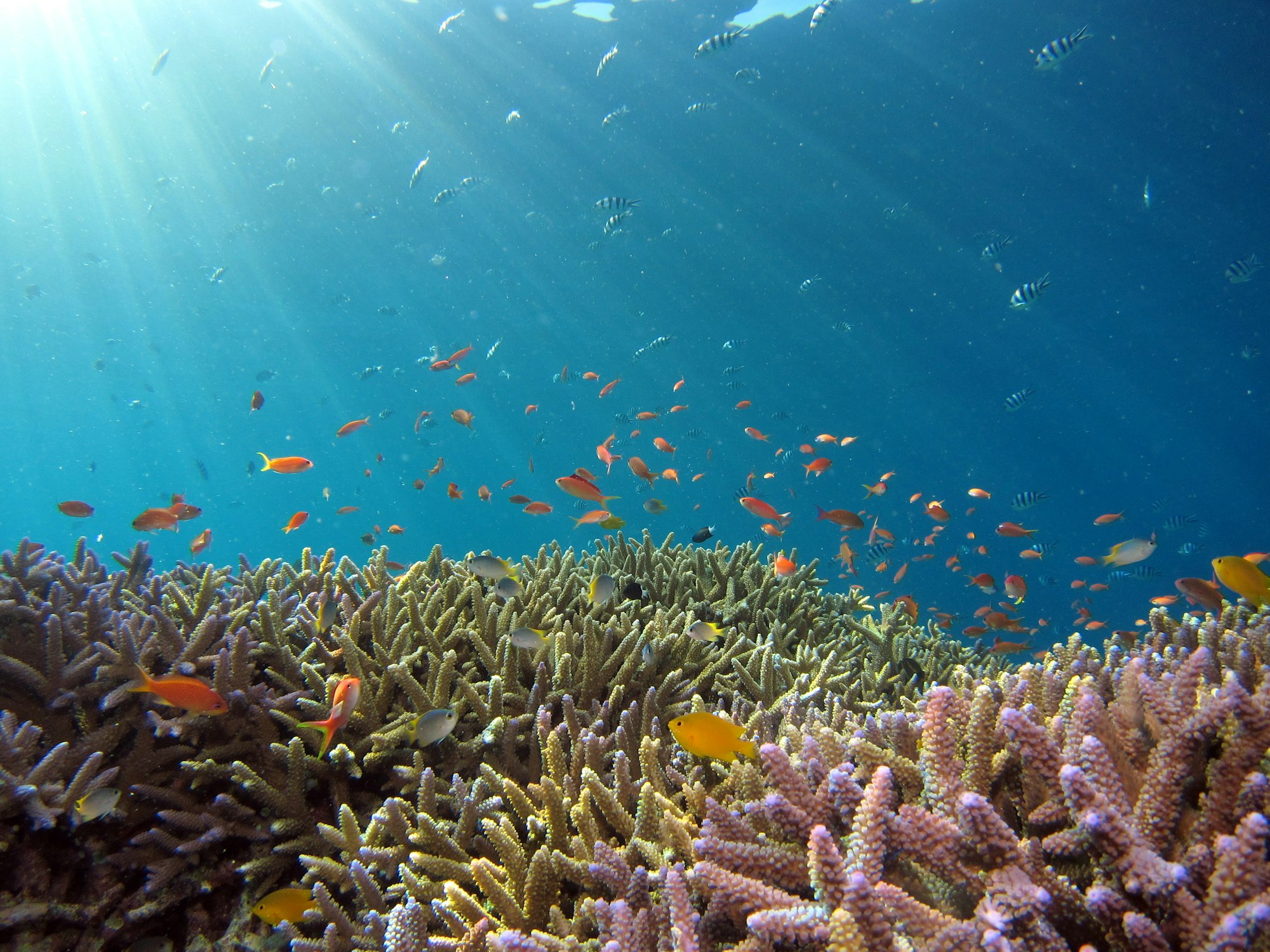
Hammerhead sharks in schools of dozens to hundreds are the headline attraction, particularly in early morning dives. Grey reef sharks and silvertip sharks are resident year-round. Oceanic whitetip sharks patrol the blue water on the wall edges. Large humphead wrasse, schools of barracuda, and hunting tuna add to the pelagic spectacle. The reef itself hosts rich coral communities with anthias, triggerfish, and moray eels.
Dive Profile
The most productive approach is an early morning drift along the outer reef wall, staying close to the reef edge at 15–20 meters where sharks congregate. Currents typically run northward along the western face. After the main shark dive, the shallower reef plateau at 5–10 meters offers excellent coral and reef fish diversity. Plan two dives — one pelagic focused, one reef focused.
Entry and Exit
Remote site, accessible by liveaboard only. Blue water entries are common; jumping directly into the current and drifting to the reef wall. Experienced guides lead the descent. Open water exits require deployment of an SMB and pick-up by the tender boat.
Tips and Recommendations
- Dawn dives are essential for maximum hammerhead activity
- Maintain a neutral position on the wall — avoid ascending into the blue water column where sharks patrol
- Wide-angle fisheye lenses capture shark aggregations most effectively
- Dive computers with alarm capability are useful for depth management near the wall
- Listen carefully to the briefing — current direction and strength vary significantly
Safety Considerations
Strong currents are normal at this remote reef. Oceanic whitetips are encountered in open water and require cautious, alert diving behaviour. Stay close to the reef wall and avoid erratic movements. All divers should have liveaboard-level experience and open water drift diving skills. Always carry an SMB and a signalling device.
Photography
Among the Red Sea’s top shark photography venues. Wide-angle work with hammerhead aggregations requires fast shooting in low-light early morning conditions. A strobe-free approach often produces the cleanest blue-water shark silhouettes.
Sources: Divezone - Red Sea, Dive the World - Egypt Red Sea, Red Sea Scuba Diving, PADI - Diving in Egypt. Last updated 2026-04-04.
Sea-surface temperature and wave height from Open-Meteo Marine (ERA5 reanalysis, monthly averages).
34 verified species observations (23 species) logged within ~11 km of this site between 1977 and 2009, from the Ocean Biodiversity Information System.
- Enneapterygius abeli
- Chromodoris
- Trapezionida dispar
- Thalamita poissonii
- Plesionika narval
- Catapaguroides pectinipes
- Metopograpsus messor
- Coenobita scaevola
- Pontocaris profundior
- Xiphonectes tenuicaudatus
- Parapenaeus indicus
- Cirolana meseda
Scientific survey records skew toward sampled taxa (molluscs, corals) and do not reflect what you are guaranteed to see on a dive.
Source: OBIS (obis.org), aggregated Darwin Core occurrence records.
Conditions change with the tide and the season. If you have dived this site, share what it was actually like — date, visibility, current, and what you saw. Real, recent reports from divers are exactly what this guide is built to collect.
Send a conditions report ›