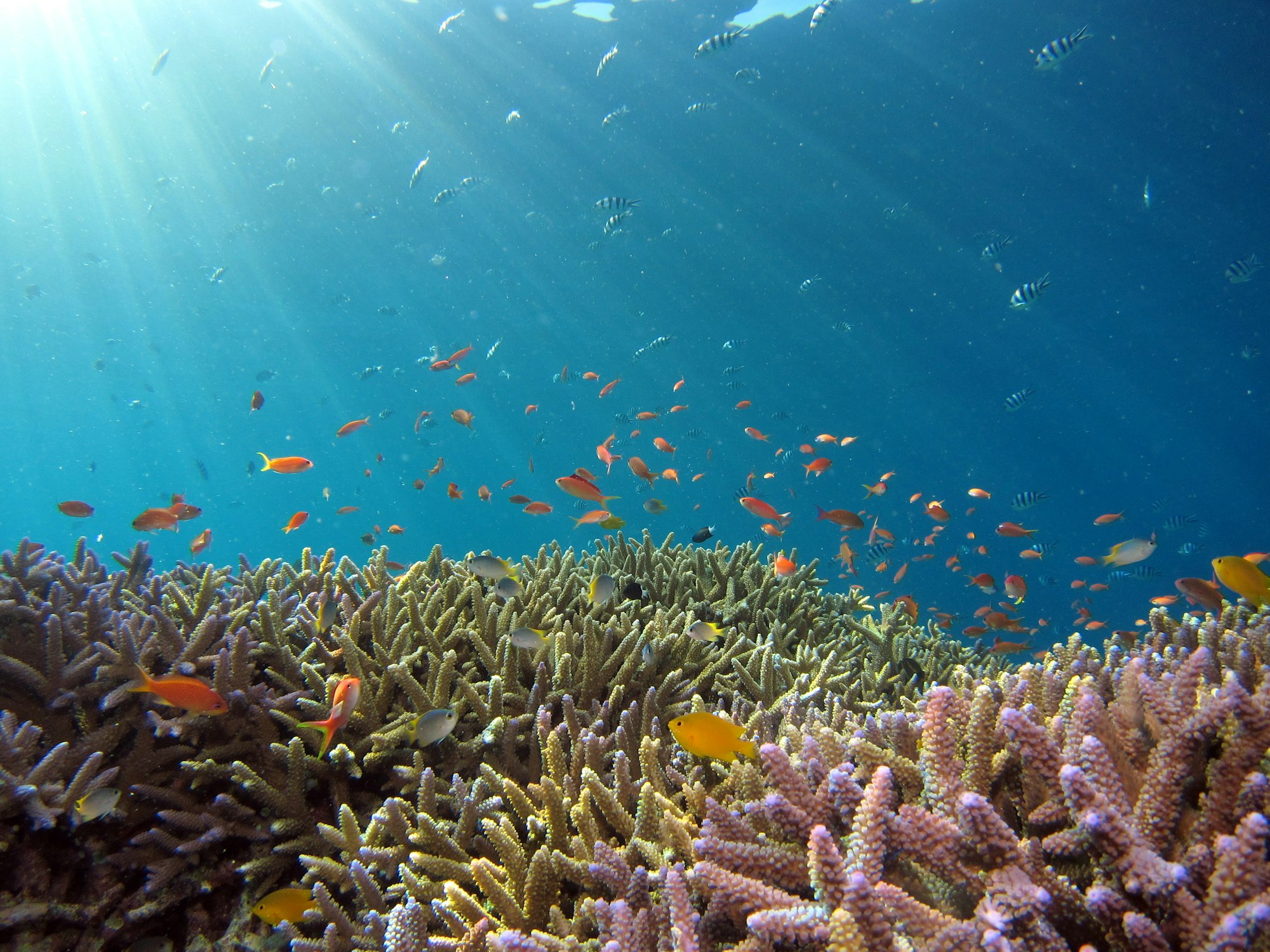
Aquanaut house reef
27.2627°N 33.8222°E · reef
Aquanaut House Reef is the dive site associated with Aquanaut Dive Club, located at Sand Beach Hotel in Hurghada at approximately 27.26°N, 33.82°E. Aquanaut Dive Club has operated in Hurghada since 1992 and is noted as the first and only dive centre in Hurghada to use speedboats for diving operations, accessing more than 40 dive sites in the northern Red Sea.
Overview
The house reef at Aquanaut Dive Club (Sand Beach Hotel) provides direct shore access for resort guests and day divers. Hurghada’s nearshore reefs in this zone feature typical northern Red Sea coral communities. Aquanaut’s primary dive operations focus on boat trips to notable offshore sites including Umm Gamar, Carless Reef, Giannis D, the Carnatic, and Dolphin House (Shaab El Erg), rather than a prominent house reef. The house reef serves for training, check dives, and shore diving.
Marine Life
Hurghada nearshore reefs typically support:
- Reef fish: angelfish, parrotfish, triggerfish, wrasse
- Moray eels and lionfish in coral structure
- Occasional dolphins near the Shaab El Erg system
- Blue-spotted stingrays on sandy patches
Site Information
- Location: Sand Beach Hotel, Hurghada, northern Red Sea
- Entry Type: Shore entry
- Site Type: Reef
- Maximum Depth: 25 meters
- Difficulty: Intermediate — suitable for training and all levels
Sources: Aquanaut Dive Club – Dive Sites, Aquanaut Dive Club – Dive Center. Last updated 2026-05-17.
Sea-surface temperature and wave height from Open-Meteo Marine (ERA5 reanalysis, monthly averages).
956 verified species observations (309 species) logged within ~11 km of this site between 1758 and 2025, from the Ocean Biodiversity Information System.
- Tursiops aduncus · Indian ocean bottlenose dolphin
- Cheilinus trilobatus
- Anyperodon leucogrammicus
- Sousa chinensis · Chinese white dolphin
- Pomacentrus
- Pseudochromis olivaceus
- Gobiodon
- Neoglyphidodon melas
- Petroscirtes mitratus
- Doryrhamphus abbreviatus
- Amblygobius albimaculatus
- Amphiprion bicinctus
Scientific survey records skew toward sampled taxa (molluscs, corals) and do not reflect what you are guaranteed to see on a dive.
Source: OBIS (obis.org), aggregated Darwin Core occurrence records.
Conditions change with the tide and the season. If you have dived this site, share what it was actually like — date, visibility, current, and what you saw. Real, recent reports from divers are exactly what this guide is built to collect.
Send a conditions report ›