Aquarium Reef
22.3877°N 38.9187°E · reef
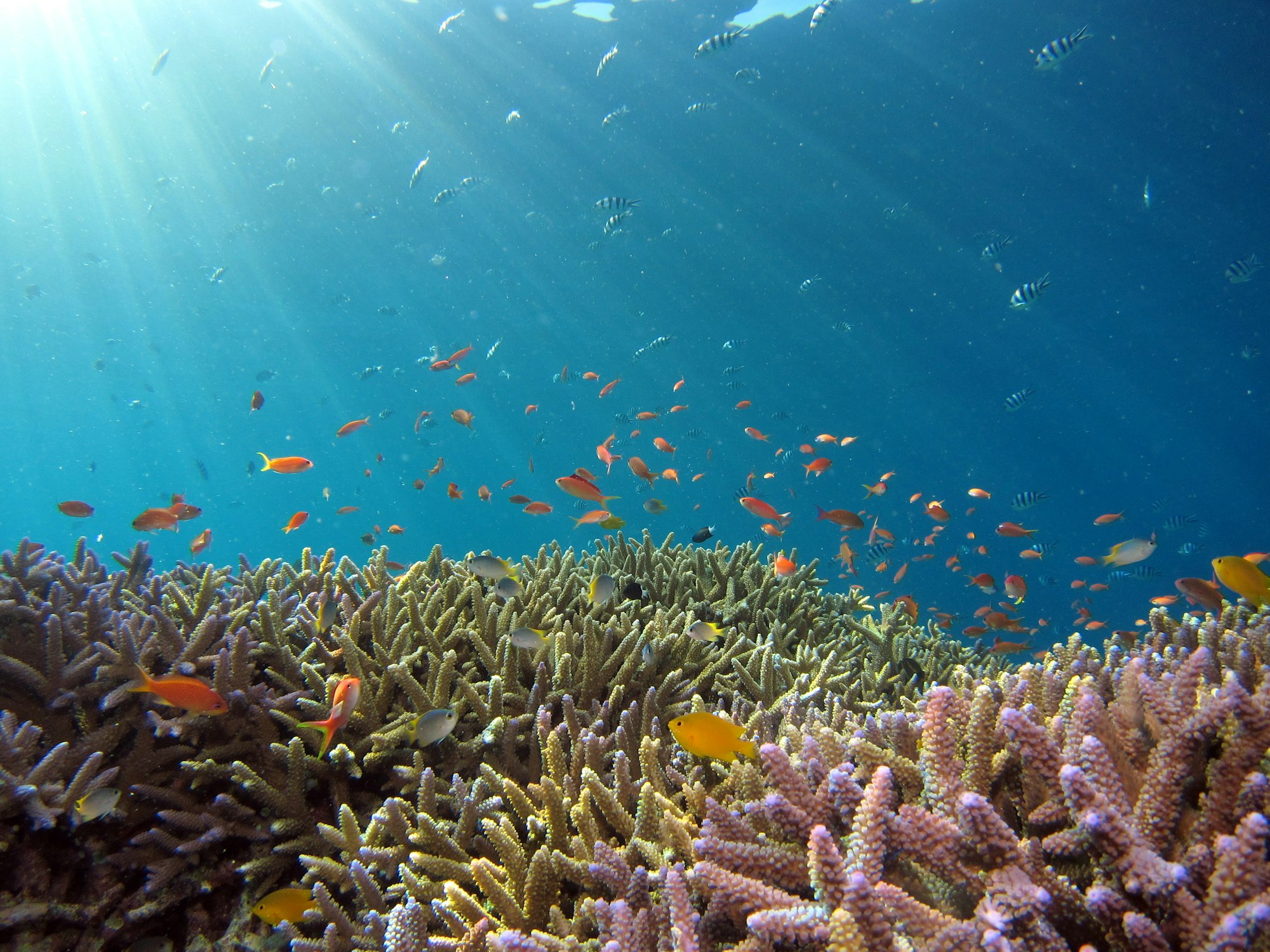
Aquarium Reef is a coral reef dive site in the Al Fahal area of the Saudi Arabian Red Sea coast near Jeddah, named for the extraordinary diversity and density of its reef fish populations which give the impression of diving inside a tropical aquarium.
Overview
Aquarium Reef sits within the Al Fahal reef complex, a system of coral formations stretching south of Jeddah. The reef features hard and soft coral gardens in excellent condition, rising from a sandy bottom at around 18–20 meters to a shallow crest at 3–5 meters. Fish life is exceptional in both variety and abundance, with every ledge and coral head occupied by one or more species. The site is regularly cited by divers on this stretch of coast as one of the most vivid reef experiences in the area. Visibility averages 20–30 meters with water temperatures of 24–30°C.
Site Information
- Location: Red Sea, Egypt
- Entry Type: Boat dive
- Site Type: Reef
- Difficulty Level: Intermediate
- Maximum Depth: 20 meters
- Typical Visibility: 20–30 meters (65–100 feet)
- Current: Light to moderate
- Best Time: October to May
Marine Life
The site lives up to its name with multi-species schools of fish creating a constant swirling display: anthias, various wrasse species, parrotfish, surgeonfish, and snapper are the backbone, supported by chromis and butterflyfish. Moray eels extend from crevices and humphead wrasse cruise the mid-water. Turtles are regular visitors to the reef crest. Blue-spotted rays rest on sand patches between coral heads.
Dive Profile
Begin at the reef crest and descend the sloping reef face to the sandy floor at 18–20 meters. Work along the base of the reef in both directions before ascending through the coral gardens. The mid-reef zone at 8–15 meters has the highest fish concentration. Use the shallow crest section for an extended safety stop.
Entry and Exit
Boat dive from local Jeddah-area operators. Giant stride or back roll entry. Mooring buoys may be in place — clip in during safety stop if available. Deploy an SMB for open water ascent if no mooring is present.
Tips and Recommendations
- Visit the deeper sand at 20 meters for blue-spotted rays and garden eels
- Inspect coral table undersides for soldierfish and glassfish sheltering from current
- Midday light penetrates well to the reef base — suits all-day diving
- Wide-angle photography works especially well on this reef
- Suitable for less experienced intermediate divers due to benign conditions
Safety Considerations
Conditions are generally calm within the reef complex. Surge can build if wind picks up over the reef. Boat traffic in the area requires a visible SMB on ascent. Maintain buoyancy discipline on the shallow reef crest.
Photography
One of the best wide-angle reef fish photography sites in the Al Fahal complex. Schools of anthias and mixed reef fish over coral heads are the primary subjects. Macro work on coral heads yields cleaner shrimp, gobies, and small nudibranchs.
Sources: Divezone - Red Sea, Dive the World - Egypt Red Sea, Red Sea Scuba Diving, PADI - Diving in Egypt. Last updated 2026-04-04.
Sea-surface temperature and wave height from Open-Meteo Marine (ERA5 reanalysis, monthly averages).
2276 verified species observations (356 species) logged within ~11 km of this site between 2011 and 2020, from the Ocean Biodiversity Information System.
- Gobiidae
- Dascyllus trimaculatus
- Genicanthus caudovittatus
- Eviota
- Pycnochromis dimidiatus
- Epinephelus summana
- Zebrasoma desjardinii
- Variola louti
- Muraenidae
- Serranidae
- Canthigaster cyanospilota
- Meiacanthus nigrolineatus
Scientific survey records skew toward sampled taxa (molluscs, corals) and do not reflect what you are guaranteed to see on a dive.
Source: OBIS (obis.org), aggregated Darwin Core occurrence records.
Conditions change with the tide and the season. If you have dived this site, share what it was actually like — date, visibility, current, and what you saw. Real, recent reports from divers are exactly what this guide is built to collect.
Send a conditions report ›