Aquarium
27.1390°N 33.9533°E · reef
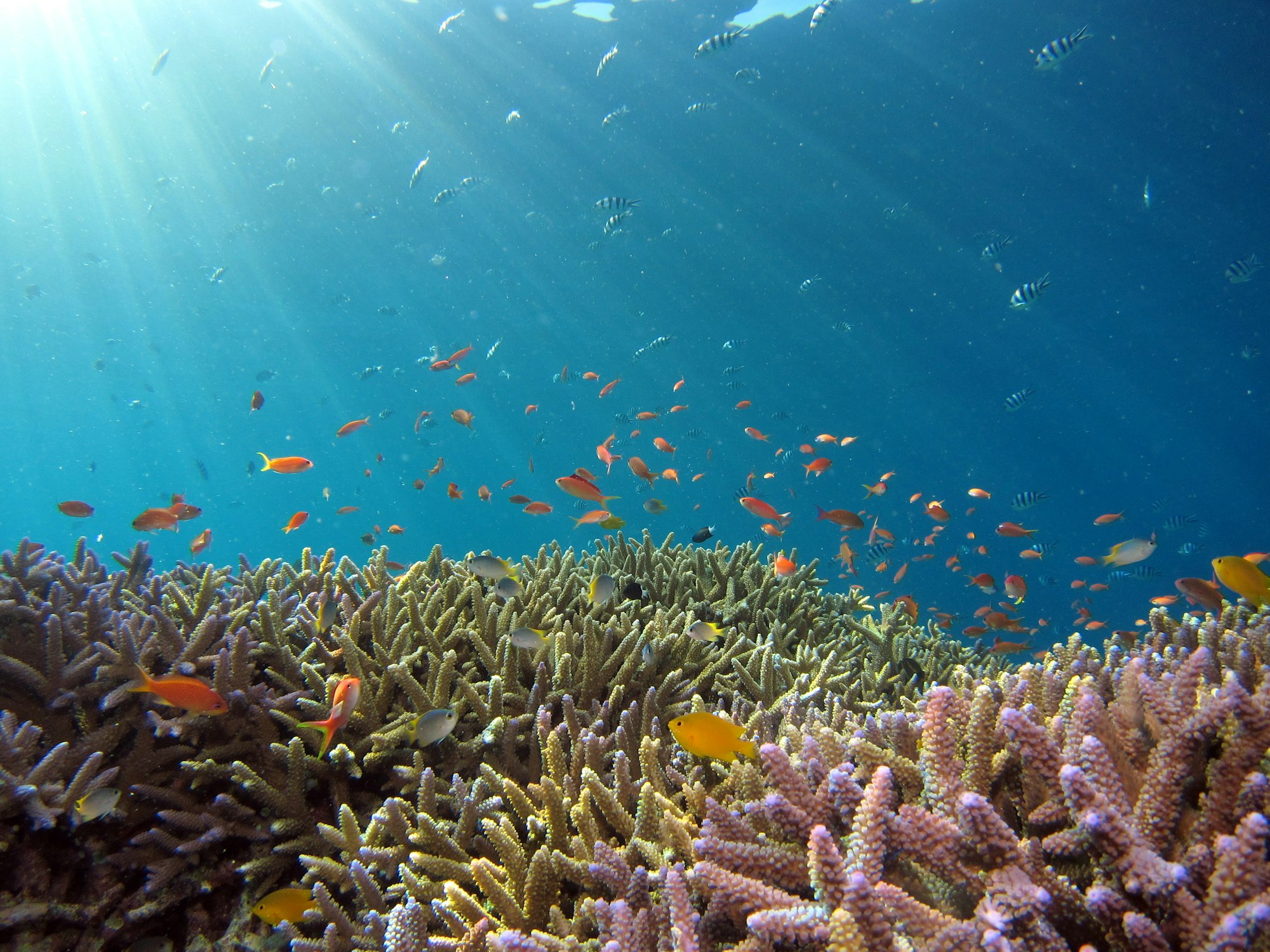
Aquarium is one of the most popular beginner and snorkelling dive sites in the Marsa Alam region of the Egyptian Red Sea, known for its shallow, crystal-clear waters and the remarkable density of colourful reef fish that give it an aquarium-like quality.
Overview
Located south of Hurghada near El Quseir or within the Marsa Alam area, Aquarium sits at the reef’s edge with a sandy mooring area suitable for dive boats. The site is extremely shallow — reaching just 12 meters at its deepest — and is protected from prevailing winds and swell, making it ideal for newly certified divers, snorkellers, and underwater photography in natural light. The reef walls and gardens are in excellent health, festooned with plate corals, brain corals, and colourful soft corals. Fish life is dense and accustomed to diver presence, allowing close approaches. Visibility is typically 15–25 meters, and water temperatures stay above 24°C year-round.
Site Information
- Location: Red Sea, Egypt
- Entry Type: Boat dive
- Site Type: Reef
- Difficulty Level: Beginner
- Maximum Depth: 12 meters
- Typical Visibility: 15–25 meters (50–82 feet)
- Current: Very light
- Best Time: Year-round
Marine Life
Schools of anthias, chromis, and damselfish swarm the reef in vivid orange and purple clouds. Parrotfish, wrasse, and pufferfish are present in high numbers. Turtles are frequently spotted resting on coral ledges. Clownfish inhabit anemones in the shallower zones, and blue-spotted ribbontail rays rest on the white sand patches. Moray eels, trumpetfish, and goatfish are regular sightings.
Dive Profile
The dive is conducted entirely in the 3–12 meter range, making it an excellent first ocean dive or check-out dive. Descend to the sandy floor, then work along the reef face in both directions. The shallower reef crest at 3–5 meters is excellent for photography and extended bottom time. No decompression concerns at this depth.
Entry and Exit
Boat dive with mooring at the site. Giant stride entry is standard. Calm conditions usually allow straightforward ladder or platform exit. This is a mooring site for day-trip dive boats — follow the operator’s exit procedure.
Tips and Recommendations
- Ideal as a first dive or checkout dive for newly certified divers
- Excellent snorkelling from the surface in the shallowest sections
- Natural light is superb for underwater photography down to 10 meters
- Don’t rush — sit still and the fish will approach of their own accord
- Ask your guide about the resident turtle’s usual resting spots
Safety Considerations
This is one of the Red Sea’s most benign dive sites. Main hazards are fire coral (avoid touching) and sea urchins in crevices. Boat traffic on the surface requires an SMB on ascent if surfacing away from the mooring line. Conditions can occasionally deteriorate with wind, creating mild surge.
Photography
One of the best natural-light underwater photography sites for beginners. No need for strobes in the shallows — the colours are vivid in ambient light. Wide-angle works well for reef panoramas; the fishlife density supports creative close-focus shots without specialist macro lenses.
Sources: Divezone - Red Sea, Dive the World - Egypt Red Sea, Red Sea Scuba Diving, PADI - Diving in Egypt. Last updated 2026-04-04.
Sea-surface temperature and wave height from Open-Meteo Marine (ERA5 reanalysis, monthly averages).
611 verified species observations (415 species) logged within ~11 km of this site between 1833 and 2014, from the Ocean Biodiversity Information System.
- Sousa chinensis · Chinese white dolphin
- Megaptera novaeangliae · Humpback whale
- Rhincodon typus · Whale Shark
- Amblygobius albimaculatus
- Tursiops truncatus · Common bottlenose dolphin
- Naso lituratus
- Pseudorca crassidens · False killer whale
- Plectropomus maculatus
- Tursiops aduncus · Indian ocean bottlenose dolphin
- Grampus griseus · Risso's dolphin
- Tursiops · Bottlenose dolphins
- Aethaloperca rogaa
Scientific survey records skew toward sampled taxa (molluscs, corals) and do not reflect what you are guaranteed to see on a dive.
Source: OBIS (obis.org), aggregated Darwin Core occurrence records.
Conditions change with the tide and the season. If you have dived this site, share what it was actually like — date, visibility, current, and what you saw. Real, recent reports from divers are exactly what this guide is built to collect.
Send a conditions report ›