Blue Hole
28.5723°N 34.5374°E · cave
The Blue Hole at Dahab is arguably the most famous — and most notorious — dive site in the Red Sea. This natural underwater sinkhole, located just a few kilometers north of Dahab on the Sinai Peninsula, descends vertically to beyond 100 meters and is renowned in equal measure for its stunning beauty and its sobering safety history.
Overview
The Blue Hole is a roughly circular sinkhole approximately 60 meters across, opening at the surface and dropping through a near-vertical shaft past 100 meters. A shallow underwater arch — known as “The Arch” or “The Saddle” — connects the inside of the hole to the open sea at around 52–56 meters depth, and this feature has drawn technical and deep divers from around the world, sometimes fatally. The rim of the hole sits just below the surface, and the inside walls are coated with soft and hard corals supported by the light filtering down from above. Around the outside of the hole on the reef, the wall drops away into deep blue water. The site is shore accessible and is one of the most visited dive sites in Egypt. Visibility inside the hole is typically 30–50 meters.
Site Information
- Location: Red Sea, Egypt
- Entry Type: Shore entry
- Site Type: Cave/cavern
- Difficulty Level: Advanced
- Maximum Depth: 100 meters
- Typical Visibility: 30–50 meters (100–165 feet)
- Current: Minimal inside; moderate along outer wall
- Best Time: September to May
Marine Life
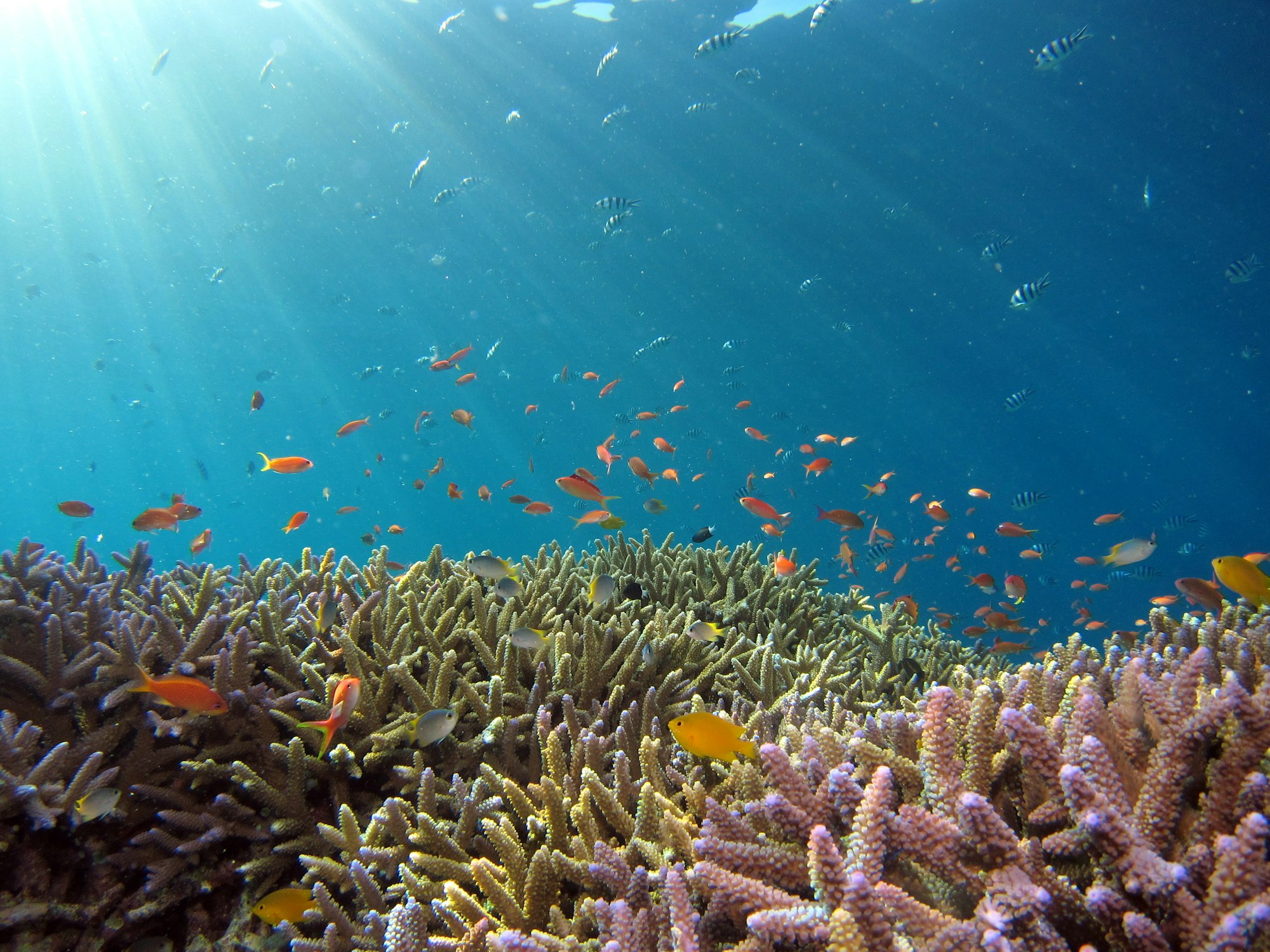
Despite the depth and exposure, the Blue Hole supports rich reef life. Inside the hole, reef fish including anthias, wrasse, and butterflyfish populate the upper sections, while the walls host coral formations to considerable depth. On the outer reef beyond the hole, the sloping wall and adjacent areas see humphead wrasse, turtles, and occasional pelagics. The sandy plateau at the top of the sinkhole rim is a reliable area for eagle rays and barracuda.
Dive Profile
For recreational divers, the dive plan should remain above 40 meters. Descend inside the hole and explore the interior walls and coral, staying well above The Arch. The outer reef plateau at 5–20 meters offers an entirely satisfying dive without approaching technical depths. Advanced divers may penetrate deeper, but The Arch is a technical dive requiring appropriate training, trimix gas, and specialist guides. Safety stops at 5 meters are conducted inside or at the reef edge.
Entry and Exit
Shore entry from the reef flat adjacent to the Blue Hole is possible, as is boat access. Many divers enter via the sandy beach area and wade to the sinkhole rim. Exit via the reef flat or boat.
Tips and Recommendations
- Recreational diving inside the Blue Hole above 40 meters is stunning in its own right — do not feel pressure to approach The Arch
- The Arch at 52–56 meters is a technical dive — not for recreational divers regardless of experience
- Hire a reputable local guide who dives the site regularly
- Early morning offers the best light penetration into the hole from above
- The site is extremely popular — arrive early or on a weekday for fewer crowds
- Never dive this site alone
Safety Considerations
The Blue Hole has claimed a disproportionate number of diver fatalities due to narcosis, attempting The Arch beyond personal limits, and failure to monitor depth. The site demands strict personal discipline. Recreational divers must enforce a hard 40-meter limit. Technical divers should only attempt The Arch with specific training, appropriate gases, and experienced guides. Currents along the outer wall can be moderate. Always dive with a buddy and carry an SMB.
Photography
Inside the hole, shooting upward toward the circular opening above creates extraordinary ambient light silhouette photographs. Coral-covered walls with fish life make compelling wide-angle subjects. The outer reef wall and plateau around the hole also offer excellent standard reef photography.
Sources: PADI - Blue Hole Dive Site, Divezone - Blue Hole Dahab, Dive the World - Dahab. Last updated 2026-05-25.
Sea-surface temperature and wave height from Open-Meteo Marine (ERA5 reanalysis, monthly averages).
313 verified species observations (254 species) logged within ~11 km of this site between 1968 and 2024, from the Ocean Biodiversity Information System.
- Trimma barralli
- Aseraggodes macronasus
- Siganus · Black Spinefoot
- Priolepis cincta · Banded Reef Goby
- Haliophis guttatus
- Gobiodon irregularis
- Tursiops aduncus · Indian ocean bottlenose dolphin
- Gobiodon fuscoruber
- Pteraeolidia ianthina
- Chelidonura livida
- Gymnodoris striata
- Phyllidiella pustulosa
Scientific survey records skew toward sampled taxa (molluscs, corals) and do not reflect what you are guaranteed to see on a dive.
Source: OBIS (obis.org), aggregated Darwin Core occurrence records.
Conditions change with the tide and the season. If you have dived this site, share what it was actually like — date, visibility, current, and what you saw. Real, recent reports from divers are exactly what this guide is built to collect.
Send a conditions report ›