Carless Reef
27.3118°N 33.9402°E · reef
Carless Reef is a coral reef dive site in the Hurghada region of the Egyptian Red Sea. The reef sits close to the navigational hazards that have historically claimed vessels in the area, and its name likely commemorates a maritime incident. Today it is a straightforward intermediate reef dive popular with Hurghada day-trip operators.
Overview
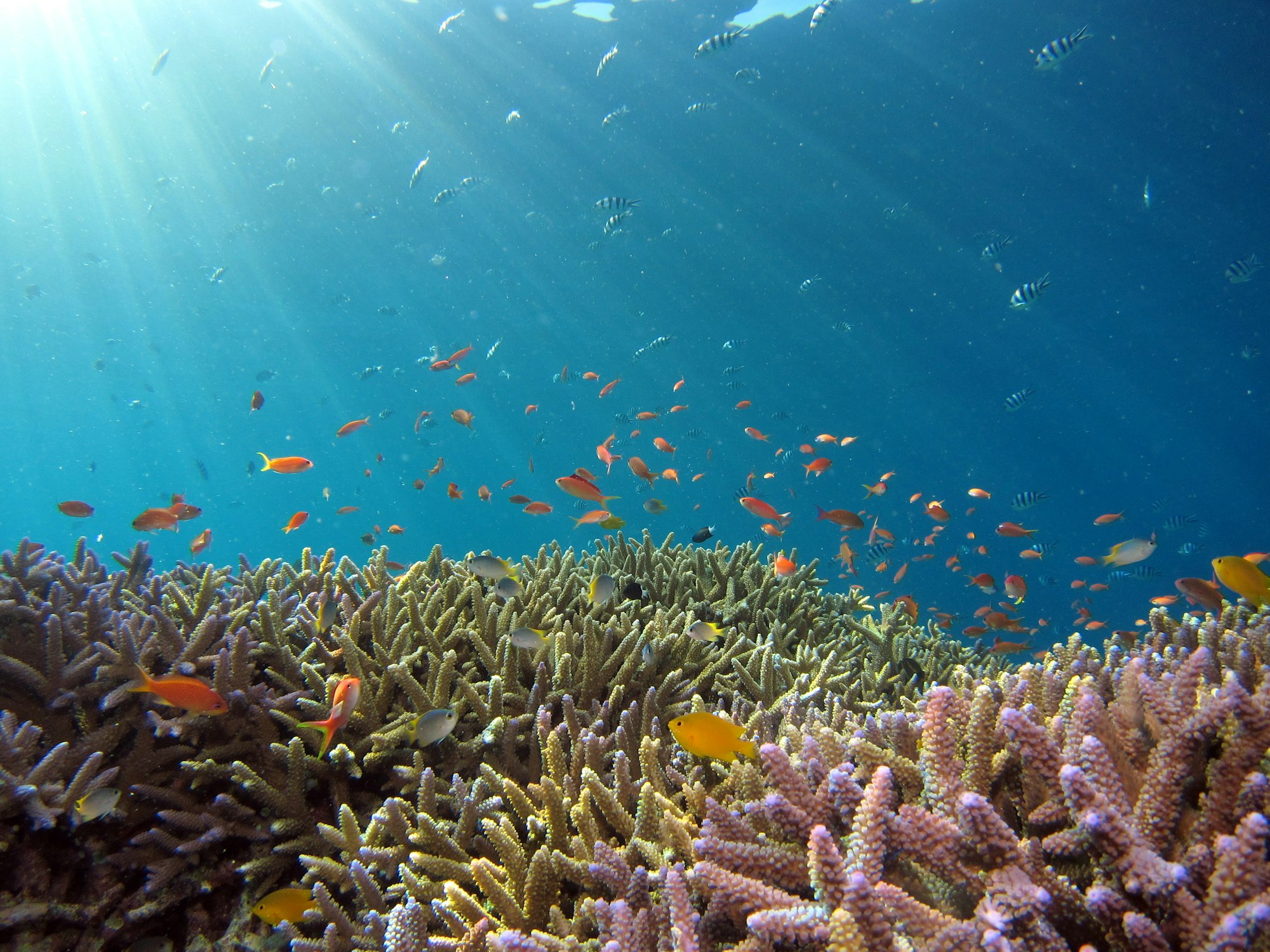
Carless Reef features a classic northern Red Sea reef profile: a shallow crest at 3–5 meters sloping gradually to a sand and rubble bottom at around 16–18 meters. Hard coral coverage is moderate to good, with sea fans, table corals, and brain corals among the formations. The site is well-suited to the Open Water diver wishing to explore beyond 12 meters and comfortable for those building intermediate experience. Visibility is typically 15–20 meters; water temperatures 22–29°C.
Site Information
- Location: Red Sea, Egypt
- Entry Type: Boat dive
- Site Type: Reef
- Difficulty Level: Intermediate
- Maximum Depth: 18 meters
- Typical Visibility: 15–20 meters (50–65 feet)
- Current: Light
- Best Time: October to May
Marine Life
Reef fish communities are representative of the northern Red Sea: anthias and chromis above the corals, parrotfish and wrasse grazing the reef surface, and grouper in sheltered overhangs. Moray eels are regularly encountered in crevices. Turtles visit the shallow reef crest. Blue-spotted rays and garden eels are found on the sandy floor at 15–18 meters.
Dive Profile
Descend to the sandy base and explore the reef face, moving along its length before ascending through the coral gardens. The shallowest reef sections at 3–8 meters are excellent for an extended safety stop with continued fish interaction. Plan a comfortable 40–50 minute dive within the moderate depth range.
Entry and Exit
Day boat from Hurghada with mooring or anchor at the reef. Giant stride entry. Exit via the boat ladder. SMB recommended for any open-water ascent away from the mooring.
Tips and Recommendations
- A reliable second dive site when deeper or more exposed sites have been done earlier in the day
- Check the sandy base carefully — camouflaged flatfish and scorpionfish are often missed
- Good site for photographers working on reef composition and natural light technique
- The shallower reef crest is excellent for snorkellers and newly certified divers
- Combine with a wreck dive earlier in the day for a varied two-dive experience
Safety Considerations
Conditions are typically calm and this is one of the more forgiving sites in the Hurghada area. Main hazards are the usual fire coral and sea urchin contacts — buoyancy control prevents these. Always carry an SMB for pick-up.
Photography
The moderate depth and good light penetration support natural light reef photography in the shallower section. Macro subjects on the coral structures — nudibranchs, cleaner shrimp, and hawkfish — are the specialty here.
Sources: Divezone - Red Sea, Dive the World - Egypt Red Sea, Red Sea Scuba Diving, PADI - Diving in Egypt. Last updated 2026-04-04.
Sea-surface temperature and wave height from Open-Meteo Marine (ERA5 reanalysis, monthly averages).
303 verified species observations (243 species) logged within ~11 km of this site between 1956 and 2016, from the Ocean Biodiversity Information System.
- Tursiops aduncus · Indian ocean bottlenose dolphin
- Sousa chinensis · Chinese white dolphin
- Gymnothorax flavimarginatus
- Amphiprion bicinctus
- Hipposcarus harid
- Gobiodon
- Plectorhinchus schotaf
- Corythoichthys flavofasciatus
- Chlorurus sordidus
- Apogon coccineus
- Salarias fasciatus
- Meiacanthus nigrolineatus
Scientific survey records skew toward sampled taxa (molluscs, corals) and do not reflect what you are guaranteed to see on a dive.
Source: OBIS (obis.org), aggregated Darwin Core occurrence records.
Conditions change with the tide and the season. If you have dived this site, share what it was actually like — date, visibility, current, and what you saw. Real, recent reports from divers are exactly what this guide is built to collect.
Send a conditions report ›