Dangerous Reef
23.3402°N 35.8553°E · reef
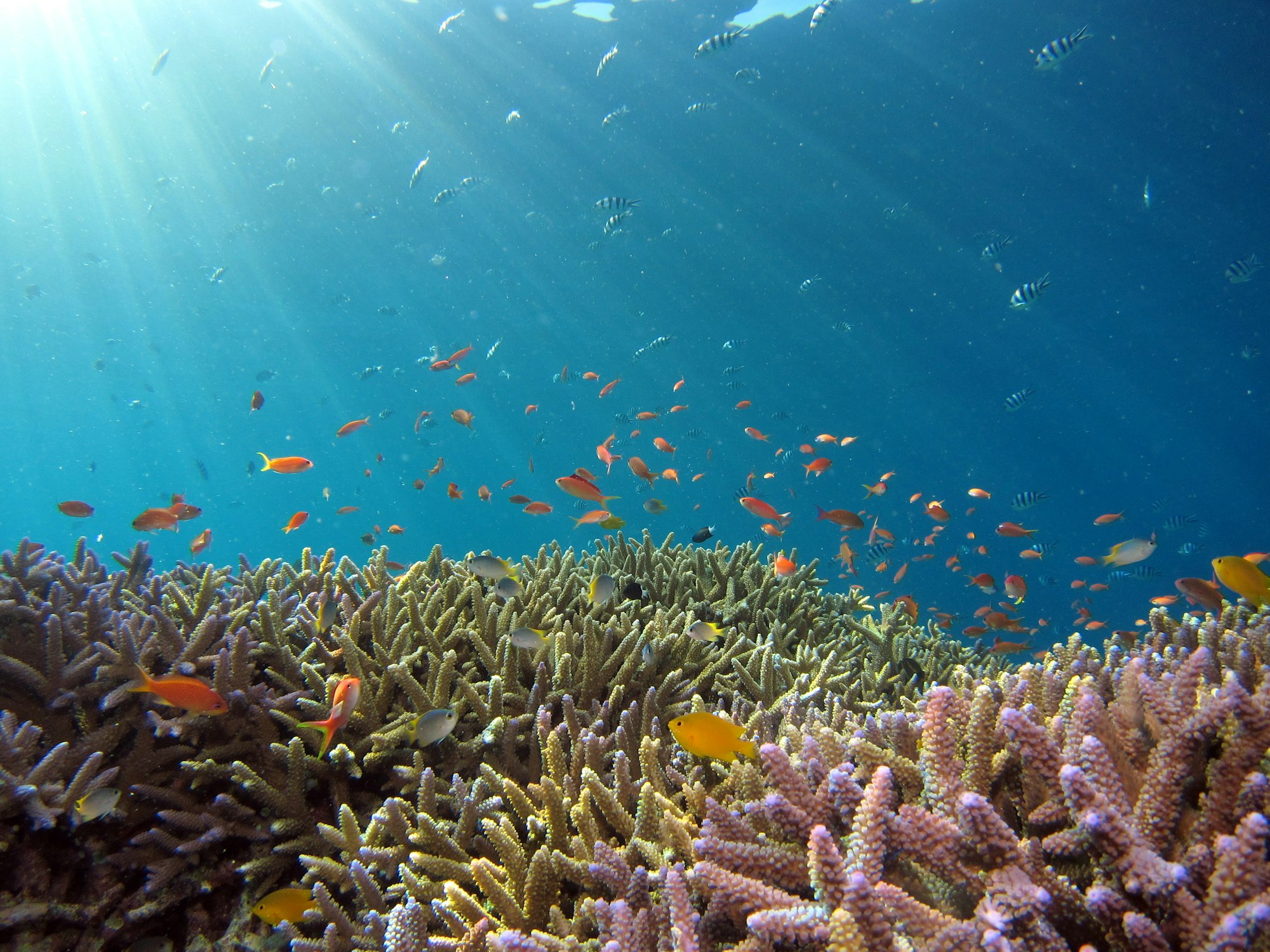
Dangerous Reef is a remote offshore reef in the Egyptian Red Sea, located in the Brothers Islands area south of Hurghada. The name speaks to the challenging conditions that can prevail here — exposed to open-water swells and prone to strong currents — but experienced divers are rewarded with pristine coral gardens and impressive pelagic encounters.
Overview
Dangerous Reef sits in the central Red Sea south of the Brothers (El Akhawein), part of the broader offshore reef system rarely visited except by liveaboards. Its isolation means the corals are largely undisturbed: hard corals dominate the shallower sections, while soft corals and sea fans drape the steeper faces. The reef’s remote position places it in the path of open-water currents that carry nutrients and attract larger pelagic species. Visibility typically exceeds 25 meters and water temperatures range from 24°C in winter to 30°C in summer.
Site Information
- Location: Red Sea, Egypt (offshore, Brothers Islands region)
- Entry Type: Boat dive
- Site Type: Reef
- Difficulty Level: Intermediate
- Maximum Depth: 20 meters
- Typical Visibility: 25-40 meters (80-130 feet)
- Current: Moderate to strong
- Best Time: October to May
Marine Life
The reef hosts healthy populations of humphead wrasse, various grouper species, and large schools of snapper and fusiliers. Reef sharks — grey tip and whitetip — are regularly encountered cruising the outer edges. Oceanic whitetip sharks have been reported at this site, particularly in bluewater off the reef walls. Sea turtles are common visitors to the shallower coral gardens. Lionfish rest in crevices throughout the reef structure, and moray eels of several species occupy the rocky substrate below 10 meters.
Dive Profile
The reef rises to within a few meters of the surface, allowing a gradual descent along the coral slope to around 20 meters. Most marine life concentrates on the upper reef between 5 and 15 meters, where coral diversity is highest. The deeper sections and reef edges are where sharks and larger pelagics patrol. Begin shallow and work along the reef contour, keeping the wall on one shoulder. Allow at least 50 bar for your safety stop and ascent in case of current.
Entry and Exit
Access is exclusively by liveaboard vessel. Entry is via giant stride from the dive deck, descending the mooring line or drifting down the up-current side of the reef. The boat crew will follow your bubbles and pick up divers from the surface after a 3–5 minute safety stop at 5 meters. Deploy your SMB early in open water.
Tips and Recommendations
- Only accessible by liveaboard — plan accordingly and book routes that include the Brothers/Daedalus corridor
- Descend the mooring or up-current side quickly to avoid being swept off the reef
- Keep a close eye on your depth and air supply; currents can push divers deep without notice
- An SMB is essential — surface conditions can make visual pickup difficult
- Best diving is often in the first half of the dive before currents build
Safety Considerations
Strong currents can arrive suddenly and without warning. Divers should be comfortable handling current-diving techniques including the use of reef hooks if required. Oceanic whitetip sharks at this site are habituated to boats and should be observed with respect — avoid dangling limbs or splashing erratically at the surface. Fire coral is present throughout; exposure is a risk when bracing against surging water. Always carry an SMB and whistle for open-water pickup.
Photography
The clean water and diverse coral make for excellent wide-angle shooting. Schools of snapper and fusiliers backlit against the blue provide classic Red Sea shots. Grey reef sharks and the occasional oceanic whitetip reward patient divers hovering in bluewater at the reef edge. Macro subjects — nudibranchs, flatworms, and commensal shrimp — are found in crevices throughout.
Sources: Divezone - Red Sea, Dive the World - Egypt Red Sea, Red Sea Scuba Diving, PADI - Diving in Egypt. Last updated 2026-04-04.
Sea-surface temperature and wave height from Open-Meteo Marine (ERA5 reanalysis, monthly averages).
25 verified species observations (5 species) logged within ~11 km of this site between 2005 and 2012, from the Ocean Biodiversity Information System.
- Stenella longirostris · Spinner dolphin
- Stenella attenuata · Pantropical spotted dolphin
- Tursiops truncatus · Common bottlenose dolphin
- Tursiops aduncus · Indian ocean bottlenose dolphin
- Grampus griseus · Risso's dolphin
Scientific survey records skew toward sampled taxa (molluscs, corals) and do not reflect what you are guaranteed to see on a dive.
Source: OBIS (obis.org), aggregated Darwin Core occurrence records.
Conditions change with the tide and the season. If you have dived this site, share what it was actually like — date, visibility, current, and what you saw. Real, recent reports from divers are exactly what this guide is built to collect.
Send a conditions report ›