Dibsel Island
18.9019°N 38.5892°E · reef
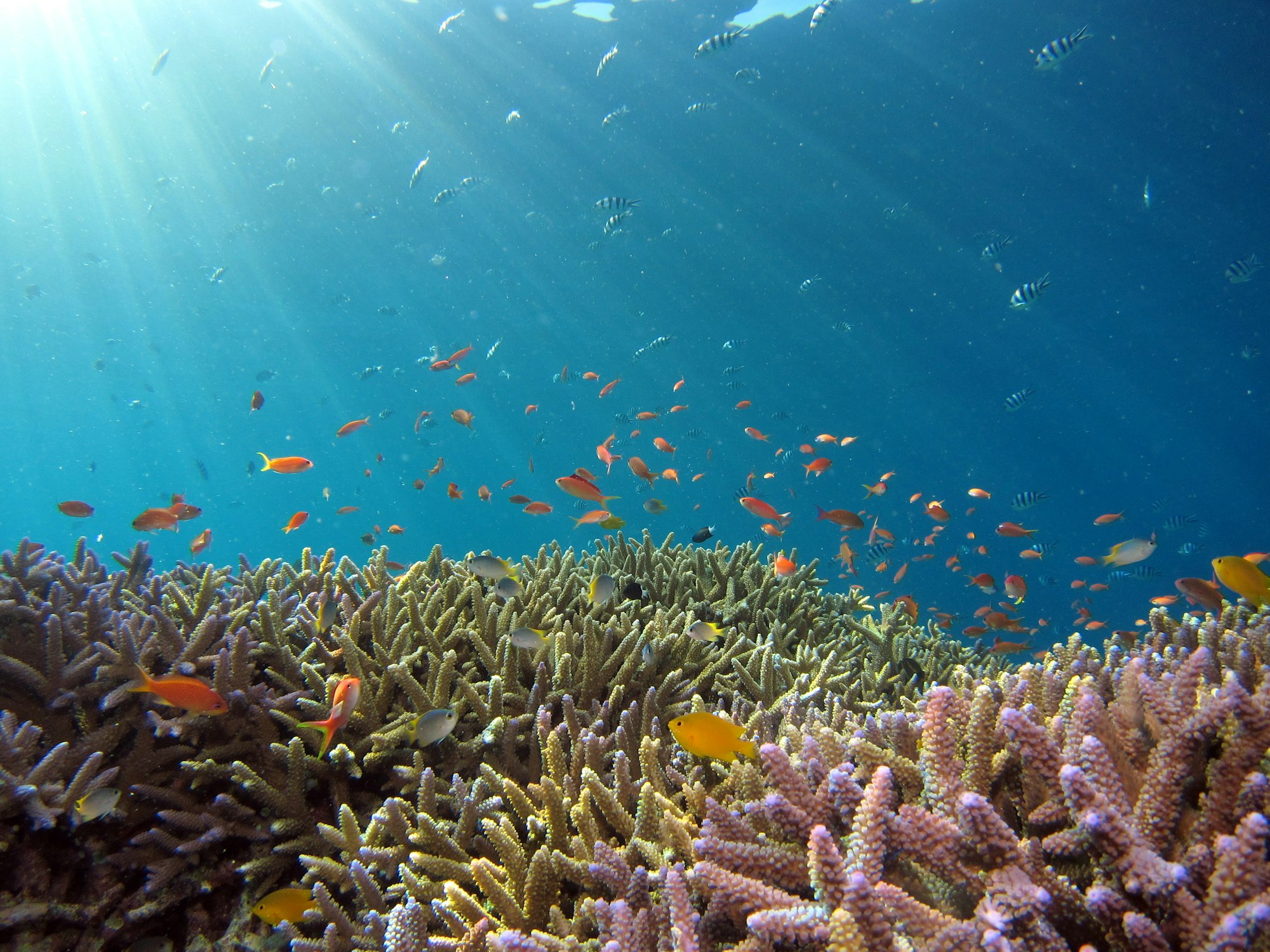
Dibsel Island is a small island dive site in the southern Egyptian Red Sea, located in the Sudanese border zone near the Eritrean coast. This rarely visited site sits in one of the most remote stretches of the Red Sea and is accessible only by liveaboard vessels making extended southern expeditions. Its isolation has preserved both the hard coral structures and the density of marine life.
Overview
The island itself is a low-lying coral cay surrounded by fringing reef on multiple sides. The reef flat gives way to a gently sloping wall descending to 20 meters and beyond. Because this area receives few divers each season, the corals are largely undamaged and the fish populations are dense. Water visibility in this part of the Red Sea typically reaches 25–40 meters. Water temperatures sit around 25–28°C year-round in the southern Red Sea.
Site Information
- Location: Southern Red Sea, Egypt (near Sudanese border)
- Entry Type: Boat dive
- Site Type: Reef
- Difficulty Level: Intermediate
- Maximum Depth: 20 meters
- Typical Visibility: 25-40 meters (80-130 feet)
- Current: Moderate to strong
- Best Time: October to May
Marine Life
The fringing reefs around Dibsel Island support thriving populations of reef fish — anthias clouds, emperor angelfish, large humphead wrasse, and dense schools of snapper are consistently reported. Sea turtles are frequent visitors to the shallower reef flat. Reef sharks patrol the deeper sections. In the pelagic zone off the island, barracuda, trevally, and occasional hammerhead sharks are encountered. The reef’s remoteness means marine life exhibits little fear of divers — a rare characteristic in the more heavily visited northern Red Sea.
Dive Profile
The reef flat at 2–4 meters transitions to a moderate slope leading to the sandy bottom around 18–20 meters. The most diverse coral sections are found between 6 and 15 meters, where both hard and soft corals grow in excellent condition. A circumnavigation of the island’s accessible reef sections can be completed in one dive if currents are manageable. Plan your dive heading into any current at the start to ensure an easier return.
Entry and Exit
Access is by liveaboard only. Entry is from the dive tender or main vessel via giant stride. Ascend the anchor or mooring line for your safety stop and coordinate with the boat crew for pickup. In calm conditions, some operators permit entry from inflatable tenders beached on the island’s shallows.
Tips and Recommendations
- Visit as part of an extended southern Red Sea liveaboard itinerary including St. John’s Reef and Zabargad
- The southern Red Sea is less dived — bring a wide-angle lens and generous dive time
- Afternoon light provides excellent illumination in the shallows on the western side
- Check with your liveaboard operator regarding Sudanese maritime regulations if venturing further south
- Carry a full set of reef-safe sun protection — this is open water and shade is scarce
Safety Considerations
Remote location means emergency medical support is hours away. Ensure your dive insurance covers liveaboard expeditions and remote areas. Currents can be unpredictable in the open southern Red Sea. Always conduct a pre-dive current check before descending. Fire coral is present in the reef flat; board shorts are not suitable exposure protection at this site.
Photography
Dibsel Island rewards wide-angle photographers with pristine coral scenery and approachable reef fish. The shallow reef flat in calm morning conditions is excellent for natural-light reef photography. Look for cleaning stations on the outer slope where humphead wrasse and sharks come in for attention from cleaner wrasse — these are outstanding behavioural photography opportunities.
Sources: Divezone - Red Sea, Dive the World - Egypt Red Sea, Red Sea Scuba Diving, PADI - Diving in Egypt. Last updated 2026-04-04.
Sea-surface temperature and wave height from Open-Meteo Marine (ERA5 reanalysis, monthly averages).
1 verified species observations (1 species) logged within ~11 km of this site between 2014 and 2014, from the Ocean Biodiversity Information System.
- Pseudorca crassidens · False killer whale
Scientific survey records skew toward sampled taxa (molluscs, corals) and do not reflect what you are guaranteed to see on a dive.
Source: OBIS (obis.org), aggregated Darwin Core occurrence records.
Conditions change with the tide and the season. If you have dived this site, share what it was actually like — date, visibility, current, and what you saw. Real, recent reports from divers are exactly what this guide is built to collect.
Send a conditions report ›