Dorfa El Fanus West
27.2646°N 33.8816°E · reef
Dorfa El Fanus West is a coral reef site on the western side of the El Fanus reef system near Hurghada, Egypt. “Dorfa” (also written “Dofra”) refers to the sloping reef structure, and this western face is commonly used as a mooring site for day-trip dive boats operating out of Hurghada. The western orientation provides good light in the afternoon and some shelter from prevailing northerly winds.
Overview
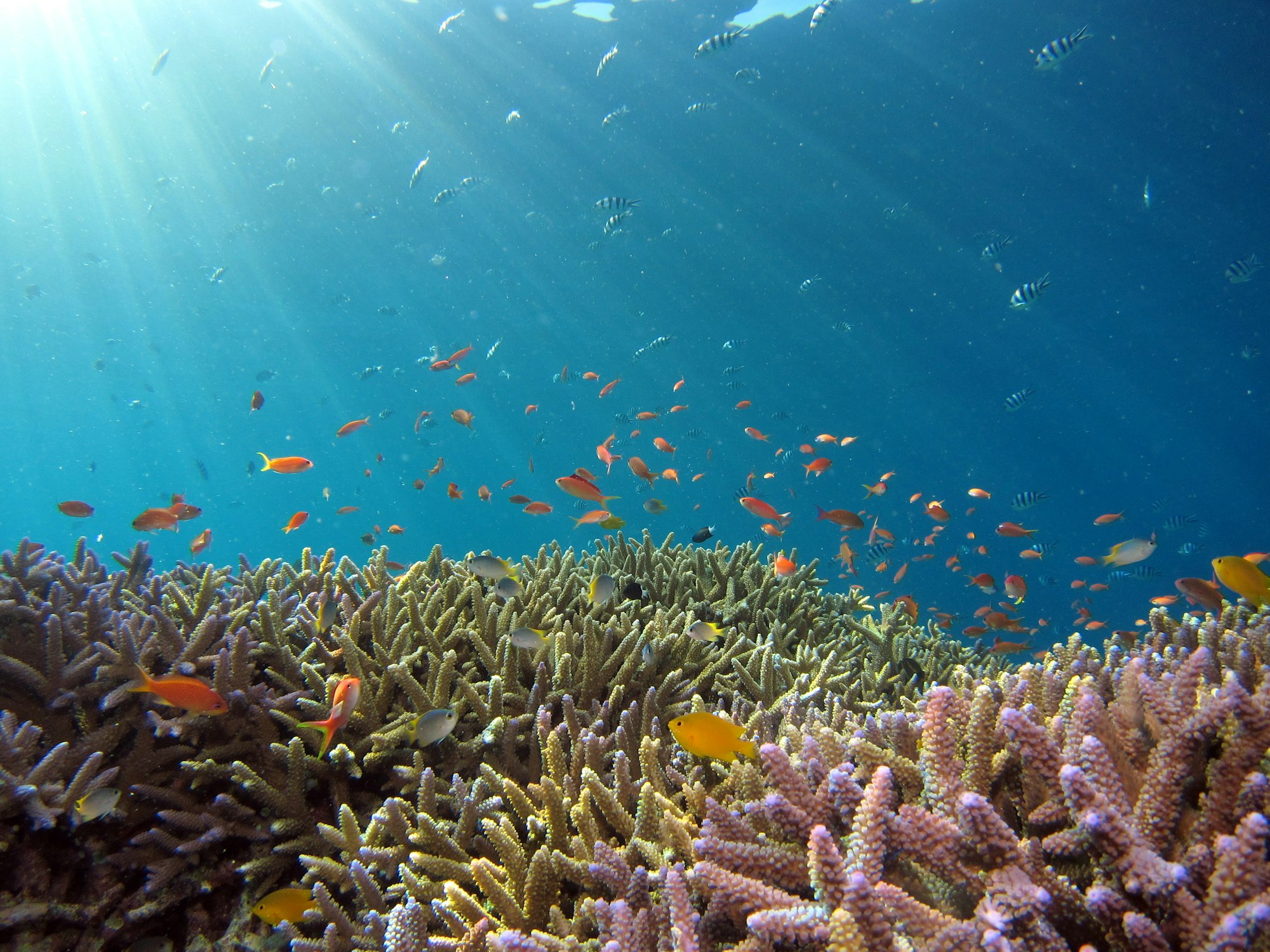
The reef slopes gradually from the surface down to around 20 meters, where the bottom transitions to a sandy plain with scattered coral outcrops. The upper reef between 5 and 12 meters is the most vibrant section, with dense encrusting and branching hard corals providing habitat for a wide variety of reef fish. The site is part of the El Fanus reef complex, which includes several named dive points along the same structure. Visibility at this site typically ranges from 15 to 30 meters. Water temperatures average 22°C in winter and reach 28–30°C in summer.
Site Information
- Location: Red Sea, Egypt (El Fanus reef, west of Hurghada)
- Entry Type: Boat dive
- Site Type: Reef
- Difficulty Level: Intermediate
- Maximum Depth: 20 meters
- Typical Visibility: 15-30 meters (50-100 feet)
- Current: Moderate to strong (variable with wind)
- Best Time: September to May
Marine Life
The El Fanus reef system is known for consistent reef fish populations: schools of anthias hover above the coral, with emperor angelfish, butterflyfish, and surgeonfish common throughout. humphead wrasse and large grouper are regularly encountered on the deeper sections of the slope. Moray eels, lionfish, and scorpionfish are found in rocky overhangs. Sea turtles graze on the reef in the shallower zones. Occasional reef sharks are spotted at depth on the outer edges.
Dive Profile
Begin at the mooring line and work across the reef top, gradually descending the western slope. The most interesting terrain lies between 8 and 18 meters where the slope steepens and coral coverage is densest. Sandy channels between coral ridges provide good navigation landmarks. Ascend back up the slope toward the mooring line before deploying your SMB for your safety stop.
Entry and Exit
Boats moor on the reef using fixed mooring buoys. Entry is via giant stride from the stern. Use the mooring line for descent and ascent. In light-current conditions, a free descent along the slope is possible. Pickup is from the boat platform after a 3-minute safety stop.
Tips and Recommendations
- This site is often dived as part of a multi-site day trip including El Fanus and El Fanadir — ask your operator about the full route
- Afternoon light on the western face provides good illumination for photography
- Current can pick up in the afternoon; morning dives on this side of the reef tend to be calmer
- Combine with a dive at the nearby El Fanus East or El Fanadir for a complete picture of the reef system
- Visibility can be reduced after periods of strong wind due to suspended sediment
Safety Considerations
Fire coral is present throughout the shallower reef sections — maintain buoyancy and avoid contact. Currents across the El Fanus reef can be moderate and can increase quickly with changing wind direction. Lionfish are common in crevices; watch where you place your hands. Carry an SMB for all open-water safety stops.
Photography
The western slope’s afternoon light makes this an attractive option for wide-angle reef photography after midday. The dense anthias clouds above the coral heads create colourful wide-angle compositions. Macro subjects — including nudibranchs, cowrie shells, and commensal shrimp — are found in recessed sections of the reef between 8 and 15 meters.
Sources: Divezone - Red Sea, Dive the World - Egypt Red Sea, Red Sea Scuba Diving, PADI - Diving in Egypt. Last updated 2026-04-04.
Sea-surface temperature and wave height from Open-Meteo Marine (ERA5 reanalysis, monthly averages).
830 verified species observations (324 species) logged within ~11 km of this site between 1758 and 2025, from the Ocean Biodiversity Information System.
- Sousa chinensis · Chinese white dolphin
- Tursiops aduncus · Indian ocean bottlenose dolphin
- Haliophis guttatus
- Cheilinus trilobatus
- Anyperodon leucogrammicus
- Gobiodon
- Pseudochromis flavivertex
- Coris variegata
- Neoglyphidodon melas
- Asterropteryx semipunctata
- Apogonichthyoides timorensis
- Zebrasoma velifer
Scientific survey records skew toward sampled taxa (molluscs, corals) and do not reflect what you are guaranteed to see on a dive.
Source: OBIS (obis.org), aggregated Darwin Core occurrence records.
Conditions change with the tide and the season. If you have dived this site, share what it was actually like — date, visibility, current, and what you saw. Real, recent reports from divers are exactly what this guide is built to collect.
Send a conditions report ›