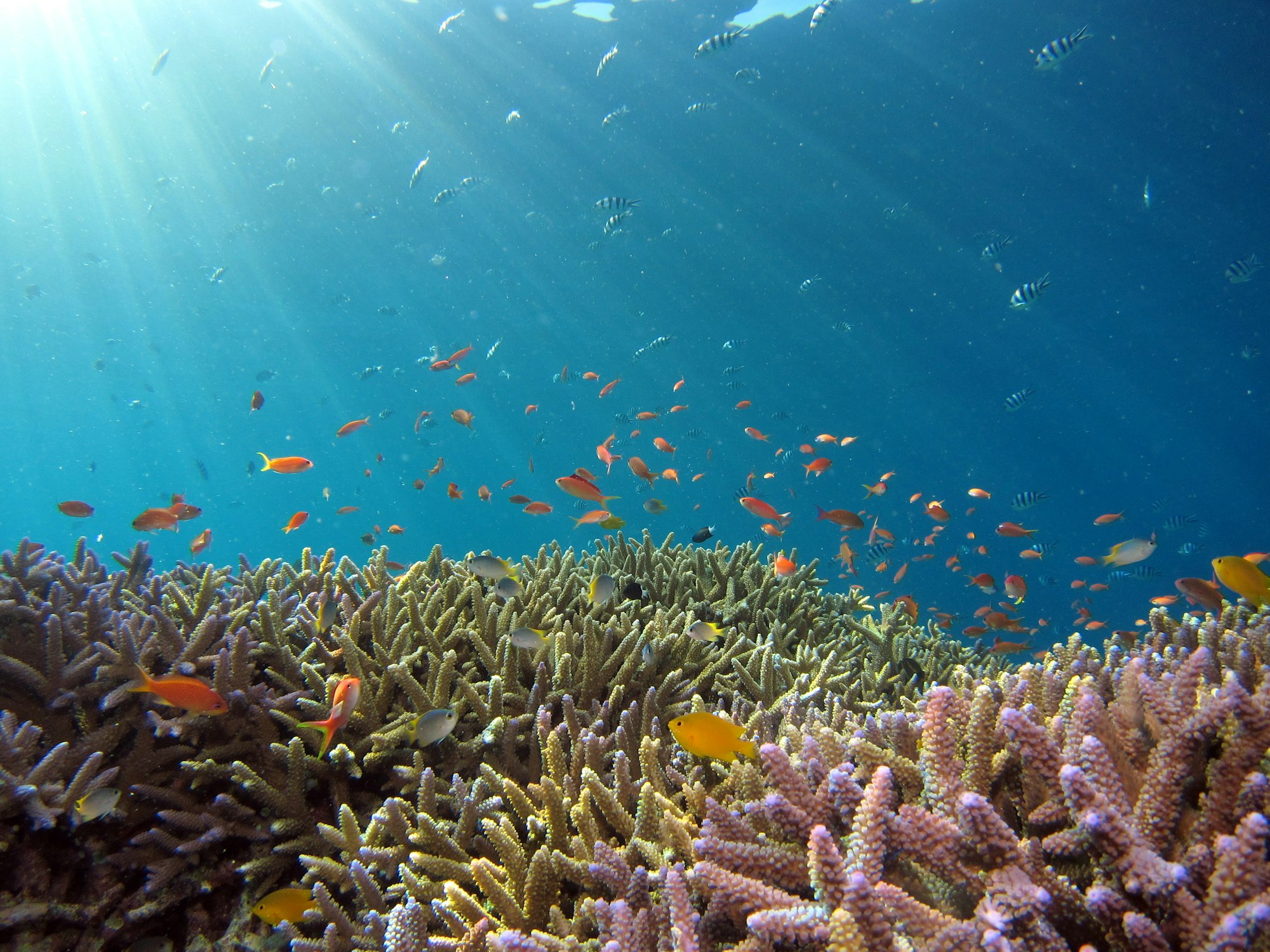
East Abu Dabab 3
25.3442°N 34.7774°E · reef
East Abu Dabab 3 is one of several named dive areas along the eastern shoreline of Abu Dabab Bay, south of Marsa Alam. Abu Dabab is among the most famous seagrass bay sites on the Egyptian Red Sea coast, renowned for its resident dugong population and reliable sea turtle sightings. This shallow entry point on the eastern margin provides easy shore access to the seagrass beds and adjacent reef structures.
Overview
The Abu Dabab bay complex features a broad sandy floor covered in dense seagrass meadows, which provide feeding habitat for dugongs and green turtles. The eastern reef edge borders this seagrass bed, offering a gentle coral slope descending to around 15 meters before the sand flats dominate. Entry points along the eastern shore are graded by condition and accessibility; East Abu Dabab 3 is suitable for beginner divers and snorkellers. Visibility in the bay typically ranges from 10 to 20 meters, occasionally reduced by sediment after wind events. Water temperatures average 24–28°C year-round.
Site Information
- Location: Red Sea, Egypt (Abu Dabab Bay, south of Marsa Alam)
- Entry Type: Shore entry
- Site Type: Reef
- Difficulty Level: Beginner
- Maximum Depth: 15 meters
- Typical Visibility: 10-20 meters (33-65 feet)
- Current: Light to moderate
- Best Time: Year-round; dugong sightings most reliable October to April
Marine Life
The star attraction at Abu Dabab is the resident dugong — this gentle sea mammal grazes on the seagrass beds throughout the bay and is one of the most reliably sighted dugongs in Egypt. Green turtles are extremely common, often seen resting on the reef or feeding on seagrass. The reef margin hosts colourful anthias, pufferfish, cornetfish, and various wrasse species. Reef octopus are frequently spotted in rocky patches at the reef edge. Clownfish inhabit anemones in the shallower coral sections.
Dive Profile
Enter from the shore at the designated East Abu Dabab 3 entry point and swim out over the sandy seagrass flat at 2–5 meters. Keep depth shallow across the seagrass to observe dugongs and turtles feeding below. Once at the reef edge, follow the coral slope down to 10–15 meters before ascending back toward the seagrass area for the exit. Total distance swum is moderate — plan your air accordingly for a comfortable return to shore.
Entry and Exit
Entry is from a sandy beach access point. Walk carefully across the shallow reef flat at the shoreline, entering the water at a sandy channel to avoid trampling corals. The seagrass bed starts within 50 meters of shore. Exit at the same channel. Fins can be put on in knee-deep water. The entry area can be crowded during peak season; maintain awareness of other divers and snorkellers.
Tips and Recommendations
- Swim slowly and quietly across the seagrass — dugongs are easily startled by rapid movement or bubble noise
- Keep horizontal over the seagrass and avoid kicking up sediment, which reduces visibility and disturbs feeding animals
- Visit early morning for the best chance of dugong encounters before tourist boats arrive
- Snorkelling over the seagrass is equally rewarding — many visitors see dugongs without diving
- Egyptian regulations prohibit touching or chasing dugongs; maintain a minimum 2-metre distance
Safety Considerations
The entry reef flat can be slippery with algae — take care on exit, particularly in fins. Currents in Abu Dabab Bay are generally mild, making this a safe beginner site. Lionfish are present in rocky sections at the reef edge; inspect rocky areas before placing hands. Spiny sea urchins are common on the sandy bottom near the reef — booties are recommended.
Photography
Abu Dabab is one of the best dugong photography locations in the world. A wide-angle lens (10–17mm fisheye) works well for capturing dugongs and turtles in context with the seagrass environment. Work in natural light by staying shallow. Approach subjects from the side rather than above to avoid casting a shadow that causes them to move. Macro opportunities include flatworms, shrimp, and juvenile wrasse on the reef edge.
Sources: Divezone - Red Sea, Dive the World - Egypt Red Sea, Red Sea Scuba Diving, PADI - Diving in Egypt. Last updated 2026-04-04.
Sea-surface temperature and wave height from Open-Meteo Marine (ERA5 reanalysis, monthly averages).
51 verified species observations (21 species) logged within ~11 km of this site between 1996 and 2026, from the Ocean Biodiversity Information System.
- Tursiops · Bottlenose dolphins
- Stenella longirostris · Spinner dolphin
- Tursiops aduncus · Indian ocean bottlenose dolphin
- Rhincodon typus · Whale Shark
- Balaenoptera edeni · Eden's whale
- Nerita sanguinolenta
- Conomurex fasciatus
- Maculastrombus mutabilis
- Clanculus
- Fasciolariidae
- Dolomena plicata
- Aplysia nigrocincta
Scientific survey records skew toward sampled taxa (molluscs, corals) and do not reflect what you are guaranteed to see on a dive.
Source: OBIS (obis.org), aggregated Darwin Core occurrence records.
Conditions change with the tide and the season. If you have dived this site, share what it was actually like — date, visibility, current, and what you saw. Real, recent reports from divers are exactly what this guide is built to collect.
Send a conditions report ›