East Point
23.6186°N 36.2038°E · reef
East Point is a reef dive site on the eastern tip of one of the Red Sea’s offshore reef structures in the Brothers Islands area (coordinates place it near 23.6°N, 36.2°E — in the open central Red Sea south of the Sinai). The eastern exposure means this point receives the full force of any prevailing current and swell, creating a more dynamic environment than sheltered sites. Visits are exclusively by liveaboard.
Overview
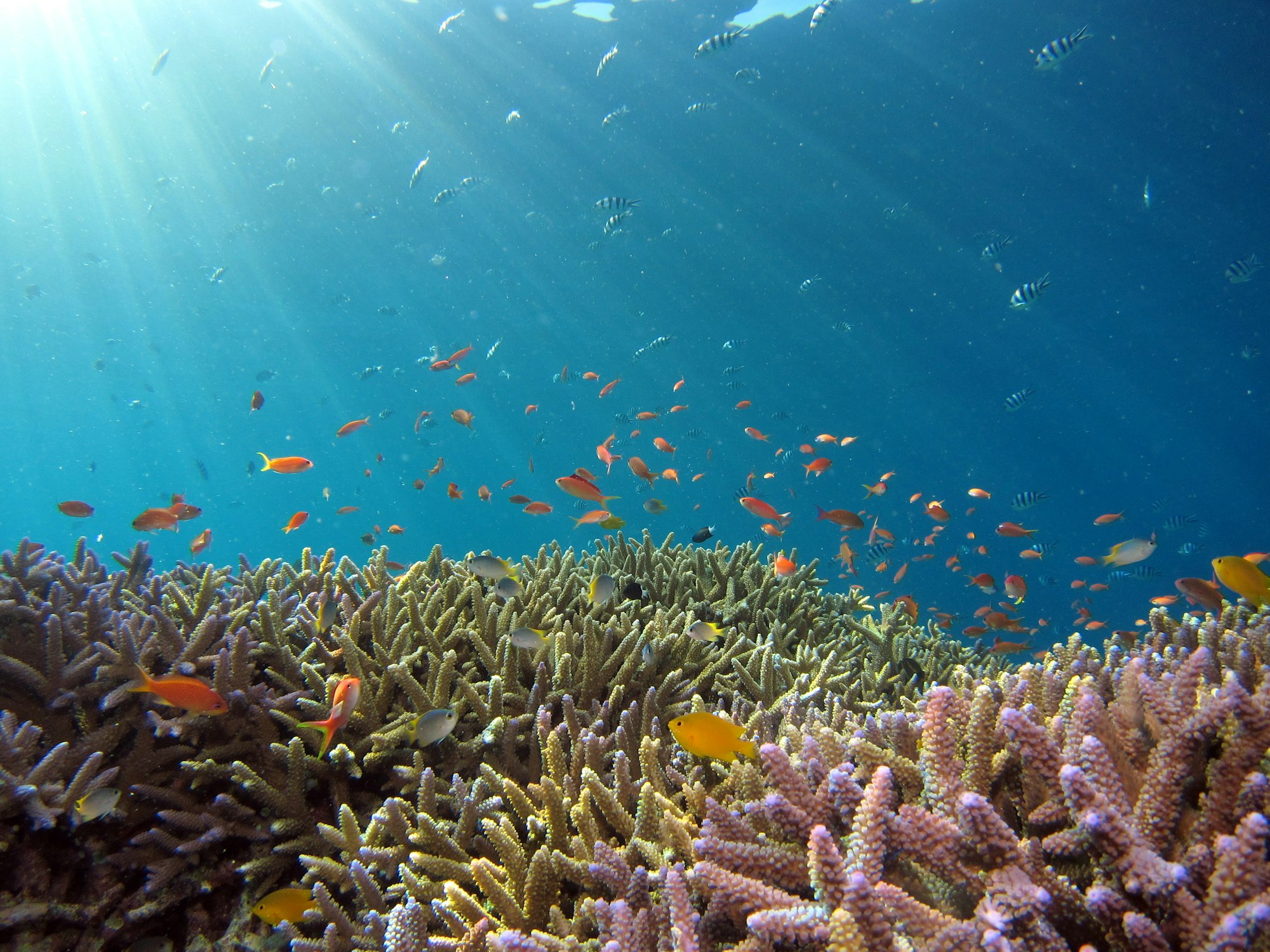
The eastern point of an offshore reef offers one of the most exposed and current-swept dive profiles in the Red Sea. The coral reef rises steeply from depth, with the point receiving the strongest water flow. This nutrient-rich current supports dense soft coral growth and attracts significant pelagic activity. The reef top sits at 2–4 meters, with the outer wall and slope descending to 20 meters and beyond. Visibility is typically excellent at 25–40 meters. Water temperatures vary seasonally between 22°C (winter) and 30°C (summer).
Site Information
- Location: Red Sea, Egypt (central offshore reef, Brothers Islands area)
- Entry Type: Boat dive
- Site Type: Reef
- Difficulty Level: Intermediate
- Maximum Depth: 20 meters
- Typical Visibility: 25-40 meters (80-130 feet)
- Current: Moderate to strong (often strong at the point)
- Best Time: October to May
Marine Life
The exposed east-facing point draws pelagic species that follow currents feeding on the concentrated plankton. Grey reef sharks and whitetip reef sharks are regular visitors. Schools of barracuda and trevally congregate at the point tip, and humphead wrasse are frequently encountered on the upper reef. Sea turtles rest on the reef crest between dives. The current-swept slopes support excellent soft coral growth — fan corals, leather corals, and large sea whips — providing habitat for hawkfish, gobies, and various species of basslet.
Dive Profile
Approach the point from the sheltered side and descend to the reef top before crossing to the exposed east face. The best strategy is to dive the point tip first — spend time here while air is plentiful and shark activity is highest — then retreat around the corner to the calmer southern or northern face for the remainder of the dive. The current at the tip can be significant; be prepared to abort to the sheltered side if conditions exceed your comfort level.
Entry and Exit
Access by liveaboard vessel. Entry is from the dive tender or main deck. Descend the anchor line or drift entry with the current depending on conditions briefed by the dive guide. Pick-up is drift-style — deploy SMB at the 5-metre safety stop and the tender will track your bubble trail.
Tips and Recommendations
- Discuss the current plan thoroughly in the dive briefing — always know the exit strategy before entering the water
- A reef hook is useful at the tip if current is strong and you wish to hover at the point
- Watch the bluewater beyond the reef edge for pelagic sharks, which often cruise in open water adjacent to the point
- Descend quickly at the exposed tip to avoid being swept off the reef in strong surface current
- Bring a dive light for the soft coral sections on the upper wall
Safety Considerations
Strong and directional currents are the primary hazard. Divers without current-diving experience should not attempt the exposed point in strong conditions. A reef hook allows stationary hovering without damaging corals; use it only on bare rock. SMBs are mandatory for all open-water ascents at liveaboard sites. Monitor depth carefully — downwelling near the point can push divers deeper than planned.
Photography
The east-facing point’s dynamic environment offers dramatic wide-angle opportunities — shark silhouettes in the blue, schooling fish at the tip, and sweeping soft coral walls. Work with the current rather than fighting it. Position yourself at the point to capture fish schools banking against the current. A wide-angle lens at 10–17mm captures both the reef structure and pelagic action in a single frame.
Sources: Divezone - Red Sea, Dive the World - Egypt Red Sea, Red Sea Scuba Diving, PADI - Diving in Egypt. Last updated 2026-04-04.
Sea-surface temperature and wave height from Open-Meteo Marine (ERA5 reanalysis, monthly averages).
9 verified species observations (3 species) logged within ~11 km of this site between 2004 and 2013, from the Ocean Biodiversity Information System.
- Stenella longirostris · Spinner dolphin
- Pseudorca crassidens · False killer whale
- Tursiops · Bottlenose dolphins
Scientific survey records skew toward sampled taxa (molluscs, corals) and do not reflect what you are guaranteed to see on a dive.
Source: OBIS (obis.org), aggregated Darwin Core occurrence records.
Conditions change with the tide and the season. If you have dived this site, share what it was actually like — date, visibility, current, and what you saw. Real, recent reports from divers are exactly what this guide is built to collect.
Send a conditions report ›