El Arish
26.6568°N 33.9768°E · reef
El Arish is a dive site in Red Sea, Middle East.
Overview
El Arish (Al Arish) is a wreck dive site near Safaga, named after the roll-on/roll-off passenger ferry of the same name. The vessel was originally built as the El Tor in 1981 (launched September 1980, completed March 1981) at a Japanese shipyard — 106 m in length, 17.3 m beam, 4,609 GRT. She worked Red Sea routes between Egyptian and Saudi Arabian ports under the names El Tor, El Tor El Arish (from 1991), and finally Al Arish (from 1999). She sank at her anchorage in Safaga harbour in 2002 (some sources indicate 2004) following a fire in the engine room that caused progressive flooding; theories of deliberate scuttling due to unpaid harbour fees or insurance fraud have also been advanced. The wreck lies on her portside on a sandy bottom at 37 m, with the starboard side reaching approximately 12 m below the surface — a 25-m depth range makes it diveable in multiple profiles. The site is relatively protected, diveable in most weather conditions, and the wreck has begun to acquire a covering of soft corals with abundant surrounding marine life.
Wreck History
- Name at sinking: Al Arish (ex El Tor El Arish; ex El Tor)
- Built: 1980–1981; 106 m × 17.3 m; 4,609 GRT
- Type: Roll-on/roll-off passenger ferry
- Route: Egyptian and Saudi ports, Red Sea
- Sank: 2002 (fire in engine room; sank at Safaga anchorage)
- Depth: 12 m (starboard/shallowest) to 37 m (portside on sandy bottom)
Marine Life
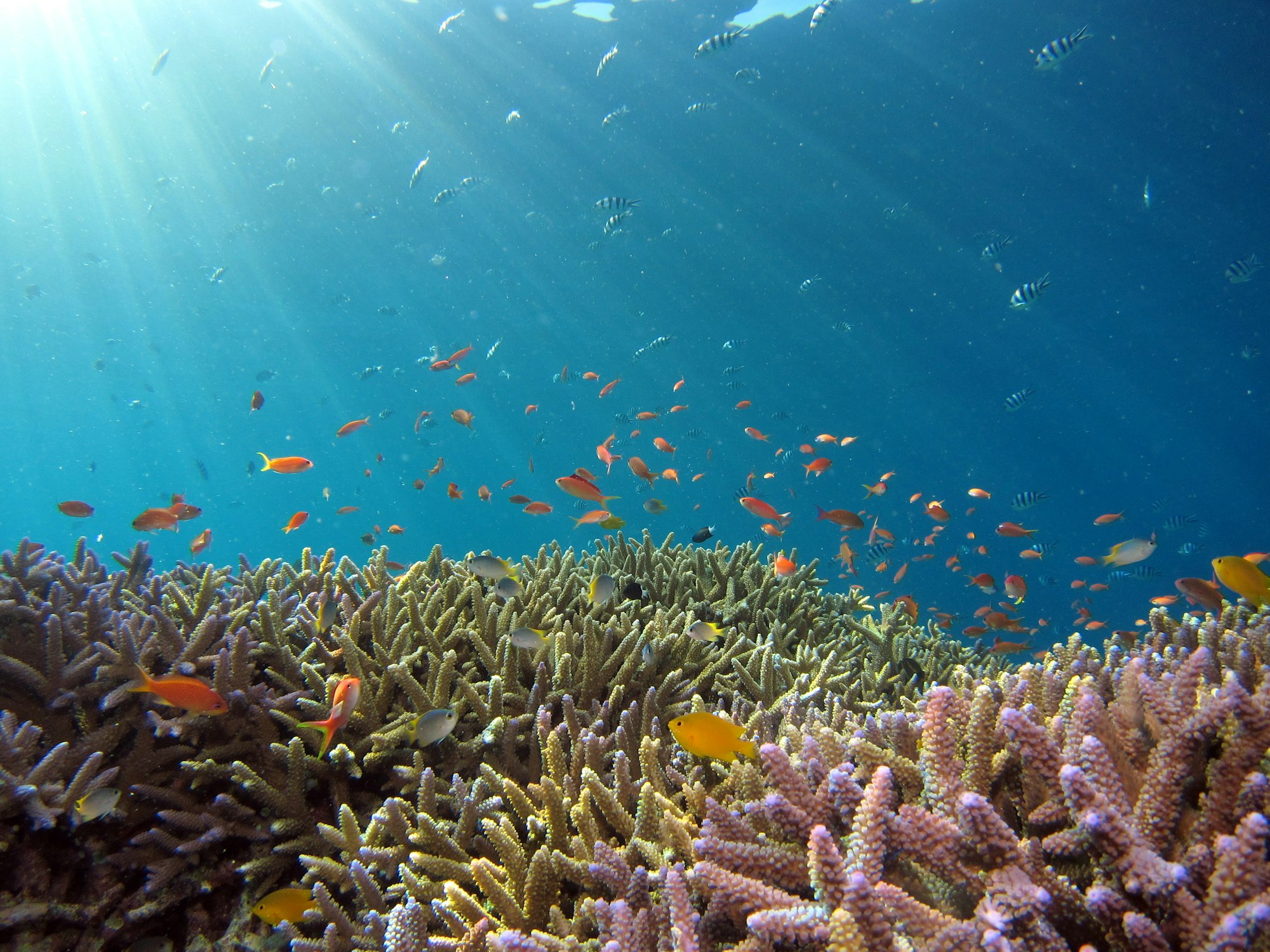
The growing coral colonisation — soft corals and encrusting life — attracts reef fish communities. The wreck structure provides shelter for moray eels, groupers, and lionfish. Schools of glassfish congregate in shaded sections. The open sandy bottom around the wreck hosts blue-spotted stingrays. Access points to the lifeboat deck, masts, bow, anchor chain, stern gate, rudders, and propellers are all accessible.
Dive Profile
The shallow starboard at 12 m allows recreational snorkelling, while the portside bottom at 37 m approaches advanced recreational limits. Most dives explore the 15–35 m zone: the wheelhouse, superstructure, vehicle deck, and engine room exterior. The protected anchorage location means low current and good visibility year-round. Maximum practical dive depth 37 m.
Entry and Exit
Boat dive from Safaga (short transit). Often combined with Gamul Kebir Reef, Gamul Soraya, and other Safaga sites. Suitable for Advanced Open Water divers and above.
Tips and Recommendations
Bring a dive torch to explore the engine room area and read the detail on the wreck’s hardware. The shallow starboard allows a safe second dive or snorkelling surface interval above the wreck. The intact vehicle deck and stern loading gate are photogenic subjects.
Safety Considerations
The portside depth (37 m) requires careful gas management. Wreck penetration beyond naturally lit areas requires technical training and redundant equipment. No significant current typical, but check conditions before each dive.
Site Information
- Location: Safaga area, northern Red Sea
- Entry Type: Shore entry
- Site Type: Reef
- Difficulty Level: Intermediate
- Maximum Depth: 37 m
Sources: The Red Sea Wreck Project — Al Arish, Divescover — El Arish. Last updated 2026-05-17.
Sea-surface temperature and wave height from Open-Meteo Marine (ERA5 reanalysis, monthly averages).
458 verified species observations (323 species) logged within ~11 km of this site between 1936 and 2016, from the Ocean Biodiversity Information System.
- Tursiops aduncus · Indian ocean bottlenose dolphin
- Pseudorca crassidens · False killer whale
- Stenella longirostris · Spinner dolphin
- Nerita sanguinolenta
- Naria nebrites
- Littoraria scabra
- Montipora gracilis
- Lensia subtiloides
- Alveopora daedalea
- Lobophyllia hemprichii
- Holothuria (Microthele) fuscogilva
- Tetrachthamalus
Scientific survey records skew toward sampled taxa (molluscs, corals) and do not reflect what you are guaranteed to see on a dive.
Source: OBIS (obis.org), aggregated Darwin Core occurrence records.
Conditions change with the tide and the season. If you have dived this site, share what it was actually like — date, visibility, current, and what you saw. Real, recent reports from divers are exactly what this guide is built to collect.
Send a conditions report ›