El Aruk Gigi
27.1694°N 33.9554°E · reef
El Aruk Gigi is a reef dive site in the Marsa Alam region of southern Egypt, positioned among the scattered reef structures west of the main Red Sea shipping channel. “El Aruk” (also spelled “Al Aruk”) refers to a series of submerged coral pinnacles and patch reefs in this area; “Gigi” distinguishes this particular structure. The site is accessed by day boat from Marsa Alam operators.
Overview
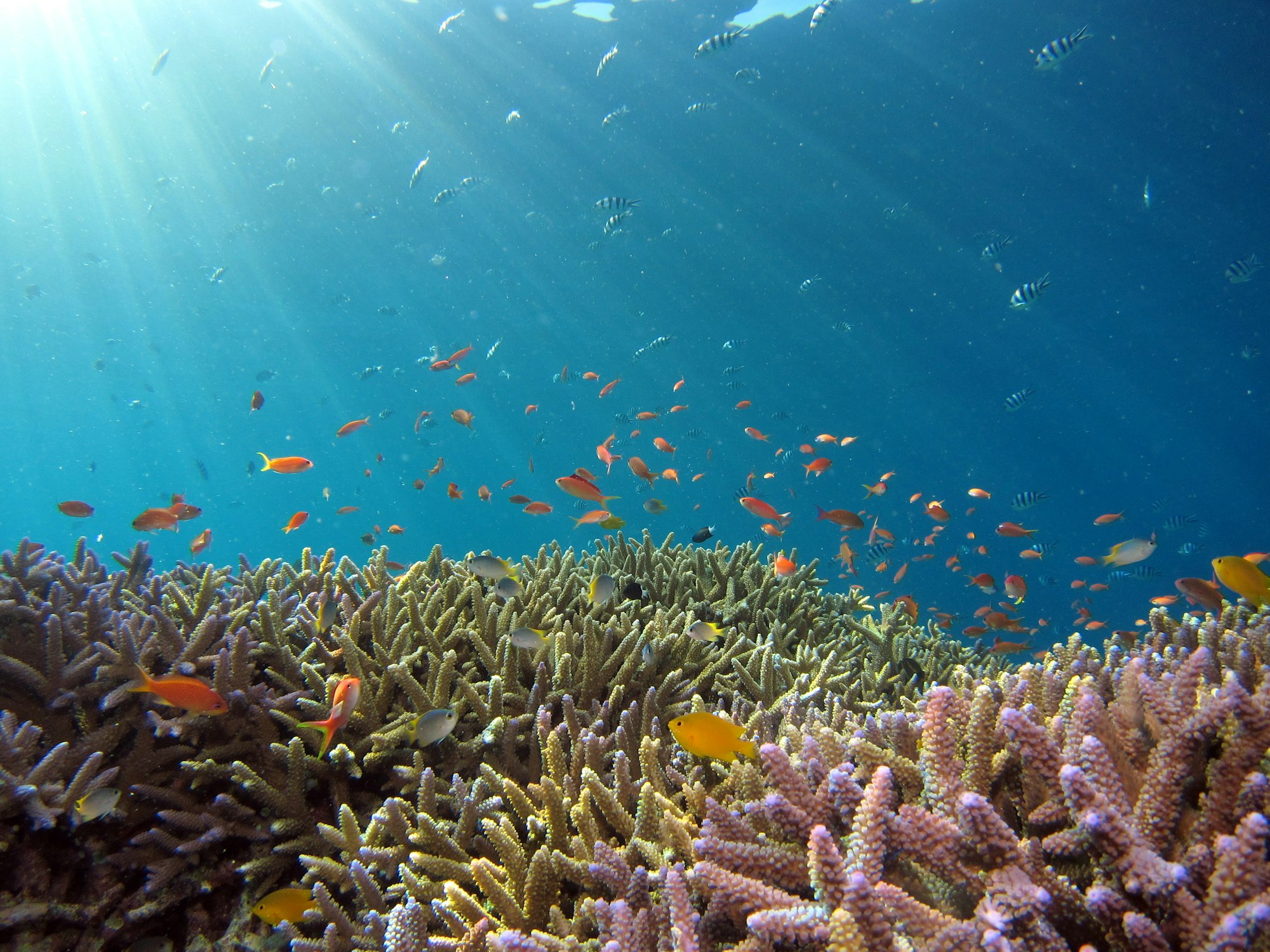
El Aruk Gigi is a submerged coral pinnacle rising from the sandy bottom to within a few meters of the surface. The pinnacle’s isolated position means it attracts both reef fish seeking shelter and pelagic species drawn to the structural anomaly. The coral coverage on the upper sections is good, with hard corals dominating the shallow crown and soft corals and sea fans taking over on the deeper flanks. The surrounding sandy plain at 18–20 meters is worth exploring for sand-dwelling species. Visibility typically reaches 20–30 meters, and water temperatures average 24–28°C year-round.
Site Information
- Location: Red Sea, Egypt (Marsa Alam region, offshore reef)
- Entry Type: Boat dive
- Site Type: Reef
- Difficulty Level: Intermediate
- Maximum Depth: 20 meters
- Typical Visibility: 20-30 meters (80-100 feet)
- Current: Moderate to strong (variable around pinnacle)
- Best Time: October to May
Marine Life
Isolated pinnacles like El Aruk Gigi function as congregation points for pelagic fish. Schools of snapper, barracuda, and jacks regularly circle the structure. humphead wrasse and large groupers are resident. Reef sharks — predominantly grey tip and whitetip — patrol the base of the pinnacle. The sandy patches surrounding the pinnacle hold blue-spotted stingrays, garden eels, and various goby species. Sea turtles are frequently sighted resting on the upper crown of the structure.
Dive Profile
Descend the mooring line to the top of the pinnacle at 5–8 meters. Work a circuit around the upper section before spiralling down the flanks to the sandy base at 18–20 meters. The different faces of the pinnacle often have varying current direction — note which side provides the most shelter for a relaxed ascent. Complete a full circuit of the structure before ascending and performing your safety stop at 5 meters.
Entry and Exit
Access by day boat from Marsa Alam operators. Entry is via giant stride onto the mooring line. Ascend the mooring or ascend freely with SMB if current has carried you from the pinnacle. The exposed position means conditions should be assessed at the surface before entry.
Tips and Recommendations
- Circle the pinnacle at multiple depths to observe the different communities at each depth zone
- Check the sandy base for blue-spotted stingrays partially buried in the sand
- Current can wrap around the pinnacle in unexpected directions — note the flow direction on descent
- Morning dives typically have better light quality on the upper pinnacle
- Bring a wide-angle lens to capture the full pinnacle structure in a single frame
Safety Considerations
Isolated pinnacles in open water can experience sudden and strong currents. Monitor your drift relative to the pinnacle — if current is pulling you away from the structure, ascend and deploy your SMB for surface pickup. Surge on the upper section can be significant when swell is running. Always maintain depth awareness on the descending sections.
Photography
The pinnacle format is excellent for wide-angle shots that capture the entire structure from base to crown. Shoot upward from 15–18 meters to include the coral crown against the surface light. Schools of jacks and snapper circling the structure provide dynamic wide-angle subjects. Macro photography on the soft coral sections yields sea spiders, commensal shrimp, and small nudibranchs.
Sources: Divezone - Red Sea, Dive the World - Egypt Red Sea, Red Sea Scuba Diving, PADI - Diving in Egypt. Last updated 2026-04-04.
Sea-surface temperature and wave height from Open-Meteo Marine (ERA5 reanalysis, monthly averages).
287 verified species observations (239 species) logged within ~11 km of this site between 1833 and 2011, from the Ocean Biodiversity Information System.
- Tursiops aduncus · Indian ocean bottlenose dolphin
- Sousa chinensis · Chinese white dolphin
- Megaptera novaeangliae · Humpback whale
- Amblygobius albimaculatus
- Amphiprion bicinctus
- Hipposcarus harid
- Rhincodon typus · Whale Shark
- Gobiodon
- Corythoichthys flavofasciatus
- Chlorurus sordidus
- Apogon coccineus
- Salarias fasciatus
Scientific survey records skew toward sampled taxa (molluscs, corals) and do not reflect what you are guaranteed to see on a dive.
Source: OBIS (obis.org), aggregated Darwin Core occurrence records.
Conditions change with the tide and the season. If you have dived this site, share what it was actually like — date, visibility, current, and what you saw. Real, recent reports from divers are exactly what this guide is built to collect.
Send a conditions report ›