El Casra
25.5464°N 34.6410°E · reef
El Casra is a reef dive site in the northern Marsa Alam region of Egypt, situated in the offshore reef belt between Hurghada and Marsa Alam. The name “El Casra” (sometimes spelled “Al Kasra”) designates a mid-water reef structure accessible by day boat from operators working the stretch of coast around El Quseir and Hamata.
Overview
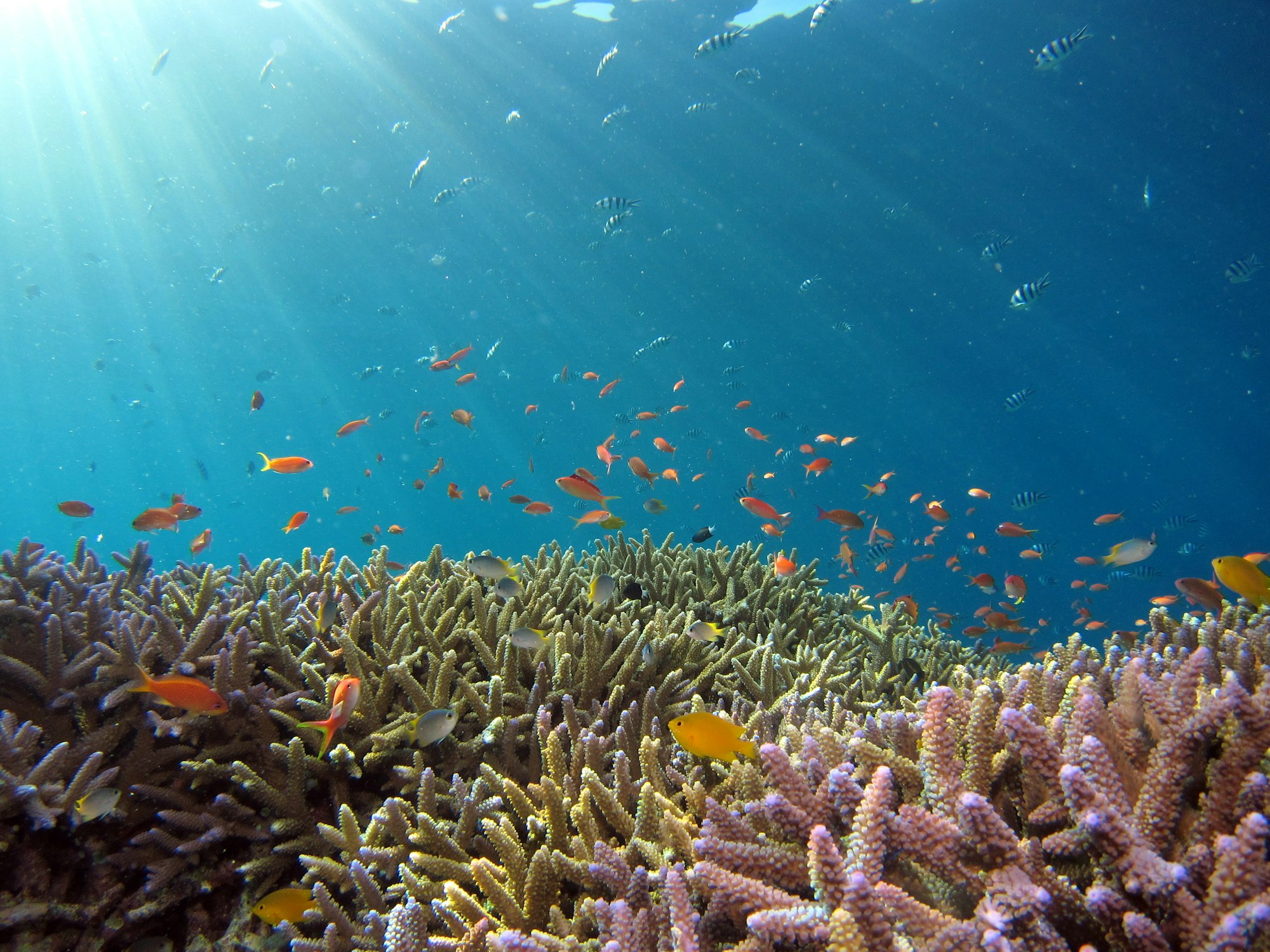
El Casra is a submerged reef platform with a characteristic Red Sea profile: the reef top rises to within a few meters of the surface before the flanks slope down to sandy terraces at 15–20 meters. The reef is in good condition, with hard coral formations dominating the upper sections and transitions to mixed soft and hard coral on the deeper slopes. The surrounding open water provides a pelagic dimension to the dive. Visibility averages 20–30 meters, and water temperatures range from 23°C in winter to 29°C in summer.
Site Information
- Location: Red Sea, Egypt (northern Marsa Alam coast, offshore)
- Entry Type: Boat dive
- Site Type: Reef
- Difficulty Level: Intermediate
- Maximum Depth: 20 meters
- Typical Visibility: 20-30 meters (65-100 feet)
- Current: Moderate to strong
- Best Time: October to May
Marine Life
The reef hosts the core species of the Egyptian Red Sea: humphead wrasse, various groupers, cloud-like schools of anthias, and bright butterflyfish pairs. Moray eels occupy crevices along the deeper sections, and lionfish are present in most underhangs. Sea turtles are regularly sighted grazing the reef crown. Schools of snapper and fusiliers orbit the reef structure, while barracuda and the occasional reef shark cruise the outer edges. The sandy terrain adjacent to the reef base holds goby-shrimp pairs and blue-spotted stingrays.
Dive Profile
Descend to the reef crown and work across the top before choosing a face to descend. The deeper flanks at 15–20 meters reveal the best soft coral growth and the greatest concentration of larger fish species. A full circumnavigation of the reef structure fills a standard dive to approximately 50 bar reserve. Ascend back to the crown for the safety stop, using the mooring line if conditions require.
Entry and Exit
Access by day boat. Entry via giant stride from the stern, descending the mooring line to the reef top. Exit by ascending the mooring line and returning to the dive platform after completing a 3–5 minute safety stop. In calm conditions, drift dives along the reef are possible — confirm the pickup plan with the boat crew before entry.
Tips and Recommendations
- Explore multiple faces of the reef for variety — each cardinal direction can have different coral composition and fish communities
- The deeper terraces at 18–20 meters are where larger groupers and moray eels concentrate
- Check with your operator about combining this site with nearby El Sheig Malik for a two-reef day trip
- Afternoon light on the western face provides the best illumination for photography after noon
- Keep an eye on the blue water off the reef edge for passing pelagic species
Safety Considerations
Current can be significant on exposed reef faces, particularly on the eastern and northern sides. Establish your dive direction relative to current on descent and plan to exit the current rather than fight it. Fire coral is present on the upper reef sections. Lionfish rest in underhangs throughout — avoid placing hands in crevices. Always carry an SMB for open-water safety stops.
Photography
El Casra’s clean water and variety of coral formations make it a versatile photography site. A wide-angle lens captures the sweep of the reef structure and schooling fish. Macro opportunities abound on the soft coral sections: look for nudibranch species, commensal shrimp on sea fans, and tiny wrasse cleaning stations. The sandy base is productive for goby-and-shrimp pairs — approach extremely slowly on the bottom.
Sources: Divezone - Red Sea, Dive the World - Egypt Red Sea, Red Sea Scuba Diving, PADI - Diving in Egypt. Last updated 2026-04-04.
Sea-surface temperature and wave height from Open-Meteo Marine (ERA5 reanalysis, monthly averages).
5 verified species observations (3 species) logged within ~11 km of this site between 1999 and 2006, from the Ocean Biodiversity Information System.
- Tursiops aduncus · Indian ocean bottlenose dolphin
- Stenella longirostris · Spinner dolphin
- Haliotis pustulata
Scientific survey records skew toward sampled taxa (molluscs, corals) and do not reflect what you are guaranteed to see on a dive.
Source: OBIS (obis.org), aggregated Darwin Core occurrence records.
Conditions change with the tide and the season. If you have dived this site, share what it was actually like — date, visibility, current, and what you saw. Real, recent reports from divers are exactly what this guide is built to collect.
Send a conditions report ›