El Fanadir West
27.2994°N 33.8312°E · reef
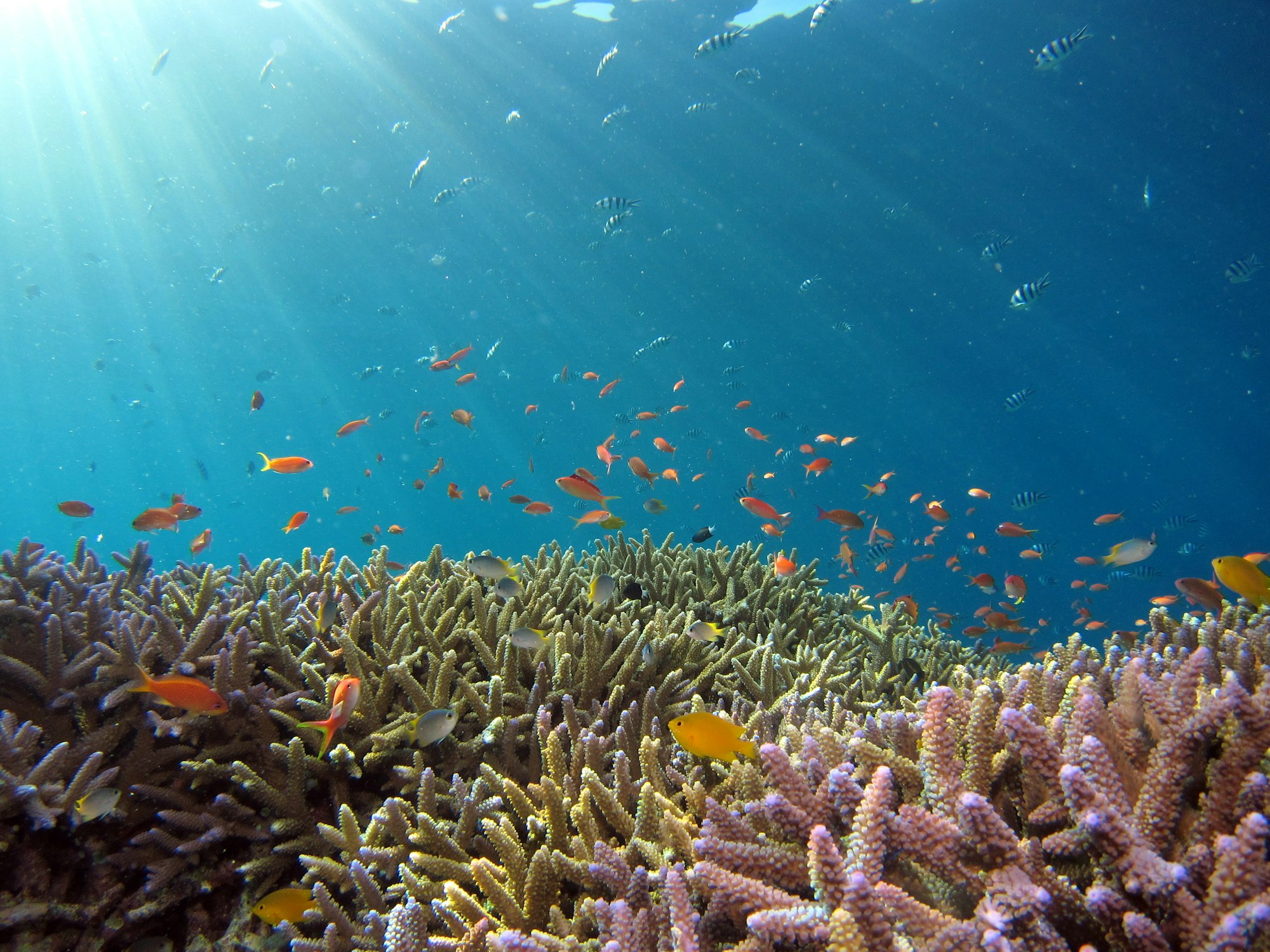
El Fanadir West is the westernmost named dive point of the El Fanadir reef complex on the northern Hurghada coast. This shore-accessible site sits on the western face of the reef where afternoon sunlight provides excellent illumination, making it a popular second or third dive of the day for Hurghada-based operators. The western orientation offers partial shelter from the prevailing north winds that often build in the afternoon.
Overview
El Fanadir West shares the same reef structure as its sister sites El Fanadir and El Fanadir Foc, but the western aspect creates a slightly different dive character. The reef top sits at 2–4 meters with a slope descending to the sandy bottom at around 20 meters. The western face tends to have slightly softer coral growth due to reduced wave energy, and the lower sections of the reef are characterised by compact sandy terraces interspersed with coral ridges running perpendicular to the wall. Visibility averages 15–25 meters. Water temperatures range from 22°C in winter to 29°C in summer.
Site Information
- Location: Red Sea, Egypt (El Fanadir reef, west face, north of Hurghada)
- Entry Type: Shore entry
- Site Type: Reef
- Difficulty Level: Intermediate
- Maximum Depth: 20 meters
- Typical Visibility: 15-25 meters (50-80 feet)
- Current: Light to moderate
- Best Time: September to May
Marine Life
The western face of El Fanadir hosts the standard northern Red Sea reef community with some additional features. The sandy terrace sections at 12–18 meters are productive for garden eel colonies and goby-shrimp pairs. Reef octopus are commonly spotted hunting along the reef base transition zone. Groupers tend to be larger on the deeper western sections, and cleaning stations are regularly active — humphead wrasse, sea turtles, and large snappers queue up to be groomed by cleaner wrasse in the 10–15 metre zone. Moray eels, pufferfish, lionfish, and the full range of reef fish are present throughout.
Dive Profile
Enter from the shore and navigate out to the reef edge at approximately 5 meters. Follow the slope down to the sandy terraces at 15–20 meters, exploring the coral ridges running perpendicularly along the way. The deepest sections reveal the most interesting large fish, including groupers and patrolling reef sharks (occasionally sighted at this depth). Ascend back up the slope using the terrain as a navigation guide, spending the final 15 minutes at 5–10 meters on the upper reef before exiting.
Entry and Exit
Shore entry from the beach or jetty near the relevant dive centre. The western shore has several entry channels maintained by local operators. Enter in fins or with fins in hand depending on the reef flat depth at entry. Exit carefully at the same channel. There is minimal surge on the western face in typical northerly wind conditions, but check conditions before entry if swell is running from the west.
Tips and Recommendations
- This is the best El Fanadir point for afternoon photography due to the western light angle
- Explore the sandy terraces at 14–18 meters thoroughly — this zone holds many macro subjects
- Look carefully at cleaning stations at 10–15 meters — behaviourally interesting for non-photographers too
- Visit on a calm afternoon for the cleanest conditions on the western face
- Combine with El Fanadir (the main reef point) for two contrasting profiles on the same reef system
Safety Considerations
Fire coral is present throughout the shallow reef sections. The western entry can have slight surge in onshore westerly wind; check conditions before diving. Lionfish inhabit rocky crevices at the reef base — inspect before placing hands. The deeper sections at 18–20 meters should only be dived within certification limits. Always stay within 5 metres of the bottom to avoid uncontrolled ascent scenarios.
Photography
El Fanadir West is an excellent afternoon photography option with light coming from behind the photographer on a westward-facing reef. Wide-angle shots work well on the upper reef where anthias are abundant and coral formations are photogenic. Macro photographers should focus on the sandy terrace zone between 12 and 18 meters for nudibranchs, flatworms, commensal shrimp, and the cleaning station behaviours that make compelling documentary shots.
Sources: Divezone - Red Sea, Dive the World - Egypt Red Sea, Red Sea Scuba Diving, PADI - Diving in Egypt. Last updated 2026-04-04.
Sea-surface temperature and wave height from Open-Meteo Marine (ERA5 reanalysis, monthly averages).
947 verified species observations (309 species) logged within ~11 km of this site between 1758 and 2025, from the Ocean Biodiversity Information System.
- Tursiops aduncus · Indian ocean bottlenose dolphin
- Cheilinus trilobatus
- Anyperodon leucogrammicus
- Pomacentrus
- Pseudochromis olivaceus
- Gobiodon
- Neoglyphidodon melas
- Petroscirtes mitratus
- Doryrhamphus abbreviatus
- Amblygobius albimaculatus
- Amphiprion bicinctus
- Salarias fasciatus
Scientific survey records skew toward sampled taxa (molluscs, corals) and do not reflect what you are guaranteed to see on a dive.
Source: OBIS (obis.org), aggregated Darwin Core occurrence records.
Conditions change with the tide and the season. If you have dived this site, share what it was actually like — date, visibility, current, and what you saw. Real, recent reports from divers are exactly what this guide is built to collect.
Send a conditions report ›