El Fanadir
27.2758°N 33.8335°E · reef
El Fanadir
A long, north-running fringing reef north of Hurghada with a distinctive drop-off wall, crack-filled caves, multiple cleaning stations, and an unusual macro community that includes frogfish, pipefish, and seahorses.
Overview
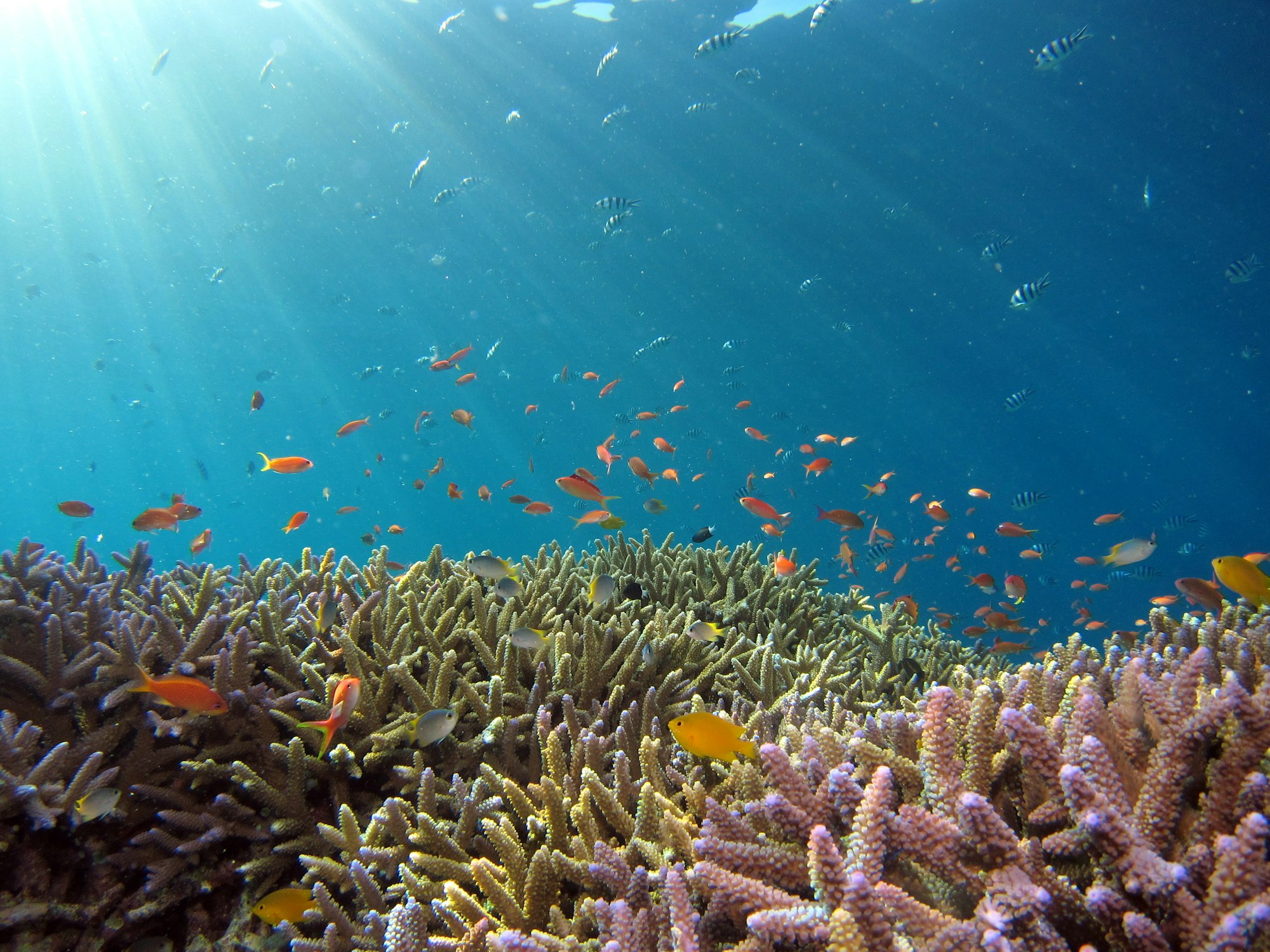
El Fanadir (“rock on top of the reef” in Arabic) is one of the longest reefs on the northern Hurghada coast, stretching in a nearly straight line northward from central Hurghada approximately 60 minutes by boat. The reef is divided into two primary dive sections — Fanadir North and Fanadir South — each with distinct topography. Both feature a shallow reef wall at 10–15 metres, a sandy plateau extending 15–30 metres in width, and a steep drop-off descending to 40 metres or more. The wall faces east and features a characteristic series of cracks, caves, and ledge systems that shelter an exceptionally diverse macro community. Cleaning stations are distributed along the wall at regular intervals, where groupers and moray eels line up for attention from resident cleaner wrasse and cleaner shrimp. The reef is considered one of the more productive macro sites in the Hurghada area.
Site Information
- Location: Northern Hurghada coast, central Egyptian Red Sea
- Entry Type: Shore entry
- Site Type: Reef
- Difficulty Level: Intermediate
- Maximum Depth: 20 meters
- Typical Visibility: 15–25 meters
- Current: Mild; stronger at the reef edges during drift dives
- Best Time: Year-round; October to May optimal
Marine Life
El Fanadir offers one of the more diverse macro communities in the Hurghada area. Yellow-edged morays, giant morays, and yellow-mouth morays are found throughout the wall crevices. Stonefish and hump-back scorpionfish are cryptically camouflaged in the wall section. Frogfish are occasionally sighted — one of the few Hurghada sites with documented frogfish records. Thorny seahorses inhabit the seagrass areas in the lagoon. Pipefish and the rare ghost pipefish are consistent finds along the wall base. Cuttlefish and octopuses are regular sightings. On the reef top, schooling goatfish, sweetlips, tuna passing the drop-off, and occasional reef sharks add action to the macro focus. Turtles are reported regularly at stationary dive positions.
Dive Profile
Entry from the shore or boat onto the reef wall. Descend to 15 metres and explore the cracks and caves in the wall systematically — most macro subjects are found in the 5–15 metre zone. The cleaning stations are typically identifiable by the presence of waiting groupers and morays in exposed positions on the wall. The drop-off at 15–20 metres occasionally brings tuna and reef sharks into view. For drift diving, the northern current sweep along the full reef length provides excellent passive viewing of the wall community. The seagrass lagoon to the shoreward side of the reef harbours seahorses and ghost pipefish — a separate exploration worth planning on calmer days.
Entry and Exit
Shore entry (or short boat transfer) from the northern Hurghada coast. The site is accessible for solo divers from boats operating from Hurghada’s El Dahar and El Mamsha areas. Night dives at Fanadir South and North are regularly offered and productive — Spanish dancers, hunting eels, and cephalopods emerge after dark.
Tips and Recommendations
- Move slowly along the wall and examine each crack and cave systematically — frogfish and stonefish require patience to locate
- The cleaning stations reward unhurried observation — moray eels in extended cleaning positions are unusual and photogenic
- Bring a small torch for the cave interiors; even in daylight the deepest wall recesses shelter interesting species
- The seagrass lagoon section should be explored separately from the main wall dive — seahorses and ghost pipefish are found here
- Night dives are productive for macro photography: Spanish dancers and hunting octopuses
Safety Considerations
Conditions are generally mild at El Fanadir, making it suitable for all levels. The primary hazards are contact ones: stonefish and scorpionfish camouflaged on the reef surface can inflict serious wounds if contacted — never touch or rest on reef surfaces. Lionfish are plentiful in shaded recesses. Fire coral on the upper reef. The drop-off at 15–20 metres can attract stronger current than the wall sections; monitor your position. Always complete a safety stop and carry an SMB.
Photography
El Fanadir is one of the Hurghada area’s best macro photography sites. The wall crack-and-cave system provides numerous well-framed macro compositions. Moray eels at cleaning stations — with cleaner wrasse visible in the same frame — are outstanding subjects. Frogfish portraits (when present) are high-value images rarely achieved at other local sites. Night dives produce Spanish dancer images, hunting octopus, and cuttlefish with excellent colour response to strobe.
Sources: Divezone - Red Sea, Dive the World - Egypt Red Sea, Red Sea Scuba Diving, PADI - Diving in Egypt. Last updated 2026-04-04.
Sea-surface temperature and wave height from Open-Meteo Marine (ERA5 reanalysis, monthly averages).
956 verified species observations (309 species) logged within ~11 km of this site between 1758 and 2025, from the Ocean Biodiversity Information System.
- Tursiops aduncus · Indian ocean bottlenose dolphin
- Cheilinus trilobatus
- Anyperodon leucogrammicus
- Sousa chinensis · Chinese white dolphin
- Pomacentrus
- Pseudochromis olivaceus
- Gobiodon
- Neoglyphidodon melas
- Petroscirtes mitratus
- Doryrhamphus abbreviatus
- Amblygobius albimaculatus
- Amphiprion bicinctus
Scientific survey records skew toward sampled taxa (molluscs, corals) and do not reflect what you are guaranteed to see on a dive.
Source: OBIS (obis.org), aggregated Darwin Core occurrence records.
Conditions change with the tide and the season. If you have dived this site, share what it was actually like — date, visibility, current, and what you saw. Real, recent reports from divers are exactly what this guide is built to collect.
Send a conditions report ›