Elba Reef East (Southplateau)
21.9827°N 37.0407°E · reef
Elba Reef East (Southplateau)
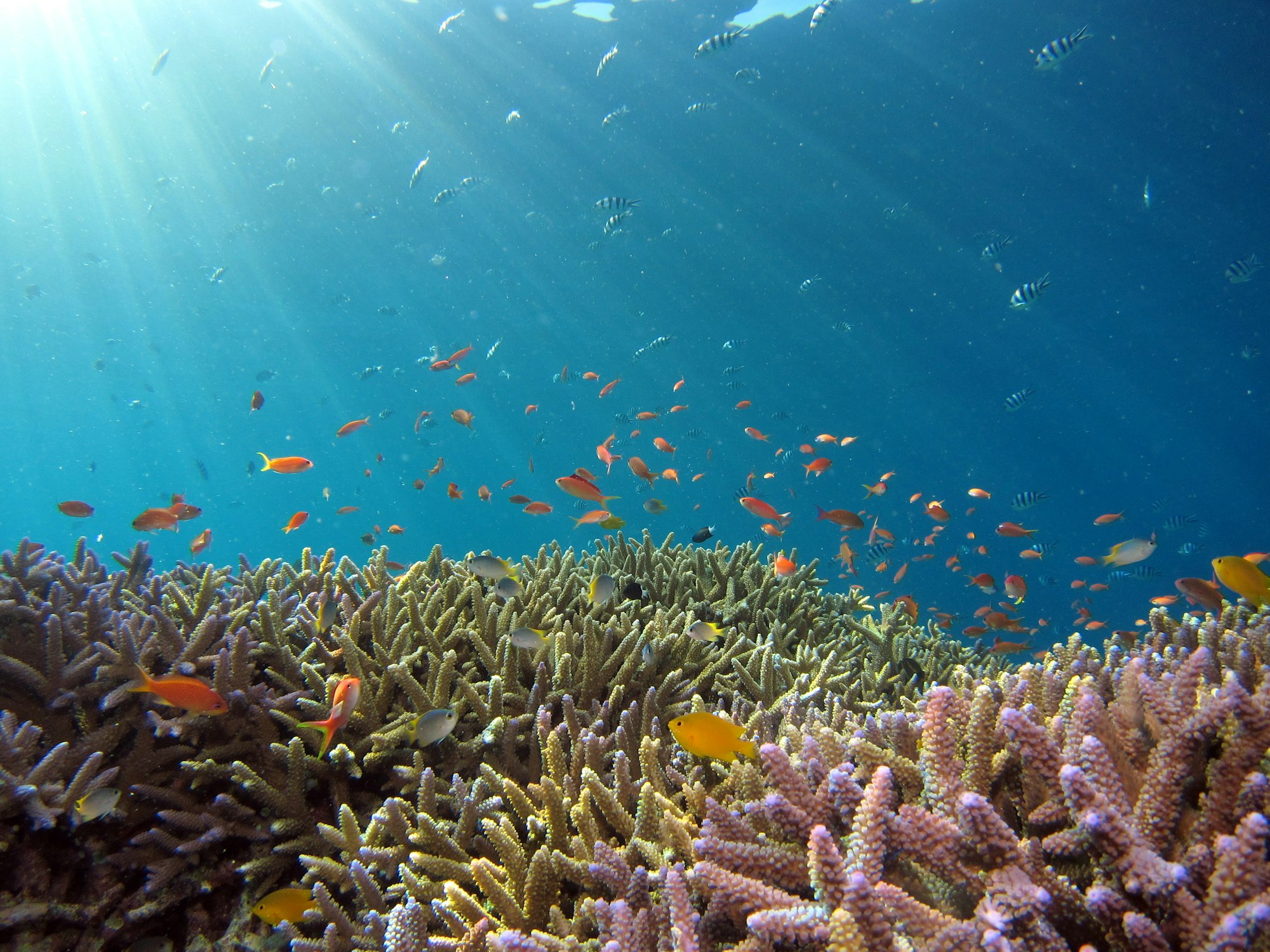
The southeastern plateau of Elba Reef — where the open Indian Ocean-influenced currents meet ancient coral structure at the extreme southern end of Egyptian waters, producing some of the most pristine and least-dived reef in the Red Sea.
Overview
Elba Reef East (Southplateau) sits at the southeastern corner of the Elba Reef atoll at approximately 21.98°N — just north of the Sudanese border — making it among the southernmost accessible dive sites in Egyptian territory. This section of Elba’s eastern face is further from the typical mooring positions on the western and northern sides, placing it in the category of expedition-within-an-expedition sites. The south plateau of the east face receives significant oceanic current and is characterised by hard coral formations in excellent condition, large gorgonian fans, and the open-ocean character typical of the entire Elba system. Diver pressure is essentially zero compared with any mainstream Red Sea destination.
Site Information
- Location: Southeastern face, Elba Reef atoll, near Egyptian-Sudanese border (~21.98°N)
- Entry Type: Boat dive
- Site Type: Reef
- Difficulty Level: Intermediate
- Maximum Depth: 20 meters
- Typical Visibility: 25–40 meters
- Current: Moderate to strong; variable on the exposed south-east face
- Best Time: October to April
Marine Life
The south plateau’s exposed, current-rich waters support dense populations of anthias, chromis, and fusiliers throughout the water column. Schooling hammerheads have been reported at the southeastern corner of Elba, particularly in morning hours during transitional seasons. Grey reef sharks cruise the reef edge. Bumphead parrotfish are present across the eastern sections of Elba. Humphead wrasse patrol the outer reef drop-off. Manta rays pass the southeastern corner in October and March during migration cycles. Hawksbill turtles rest on the plateau surface.
Dive Profile
Descend directly to the south plateau at 15–18 metres and assess current before extending eastward toward the exposed reef edge. The plateau is a series of broad coral terraces stepping from 10 to 20 metres. Work along the terrace edges to observe the dense fish life and search the reef face for resting sharks and turtles. The drop-off at the eastern edge of the plateau descends steeply — stay on the plateau unless conditions are calm. Safety stop at 5 metres in the upper reef structure.
Entry and Exit
Liveaboard-only access as part of a 10–12 day expedition that includes St. John’s Reef and Fury Shoals. Egyptian Navy permit required for Elba. The southeastern mooring position is typically used in calm conditions only — the site is more exposed than the western side. Giant stride entry from the tender. SMB is required; deploy before ascending from any depth.
Tips and Recommendations
- The south plateau is best dived in moderate-current conditions — light current days may reduce the fish aggregations
- Plan this dive when the liveaboard is positioned for an early departure from Elba — it is typically the final dive on the atoll
- Carry an SMB from the moment of entry — surface conditions on this face can change and boat communication is critical
- Wide-angle photography rewards a slow, horizontal approach that minimises reef damage on the pristine coral surface
- Hammerhead sightings at the southeast corner are most likely at dawn — prioritise a first-light dive if conditions allow
Safety Considerations
Extreme remoteness applies across all Elba sites — emergency evacuation logistics are complex and slow. The south-east face is more exposed to ocean swell than other sections, and entry/exit in adverse conditions requires careful assessment. Do not approach the east-face drop-off in strong current. All divers must remain within visual contact of the group. SMB deployment before every ascent is non-negotiable.
Photography
The southeastern corner of Elba offers some of the cleanest wide-angle conditions in the Egyptian Red Sea. Visibility in the 30–40 metre range with natural light and pristine coral formations creates ideal conditions for ambient wide-angle shots. Schooling fish portraits with the open-ocean backdrop are a consistent result. Any hammerhead or manta encounters at this corner are exceptional wide-angle subjects in clear, unobstructed water.
Sources: Divezone - Red Sea, Dive the World - Egypt Red Sea, Red Sea Scuba Diving, PADI - Diving in Egypt. Last updated 2026-04-04.
Sea-surface temperature and wave height from Open-Meteo Marine (ERA5 reanalysis, monthly averages).
Conditions change with the tide and the season. If you have dived this site, share what it was actually like — date, visibility, current, and what you saw. Real, recent reports from divers are exactly what this guide is built to collect.
Send a conditions report ›