Erg Sabina
27.2162°N 33.9542°E · reef
Erg Sabina
An isolated coral pinnacle in the Hurghada offshore zone named for a local diving personality — a classic erg structure with cleaning stations, octopuses in the base crevices, and reliable shark activity when current is running.
Overview
Erg Sabina is a coral pinnacle at approximately 27.22°N, 33.95°E in the offshore zone between Hurghada and Makadi Bay. Like all erg dives in this section of the central Egyptian Red Sea, it rises from a sandy floor as an isolated structure that functions as a fish-concentration point. The name is a local nickname — Sabina is a name associated with Egyptian dive guide community traditions. The erg itself rises from approximately 18–20 metres to a summit around 5–8 metres. The position is reasonably sheltered compared to the more exposed offshore sites, making it accessible in conditions that affect larger offshore reefs.
Site Information
- Location: Hurghada offshore zone, central Egyptian Red Sea (~27.22°N, 33.95°E)
- Entry Type: Boat dive
- Site Type: Reef
- Difficulty Level: Intermediate
- Maximum Depth: 20 meters
- Typical Visibility: 15–25 meters
- Current: Mild to moderate; stronger when wind opposes current
- Best Time: Year-round; October to May optimal
Marine Life
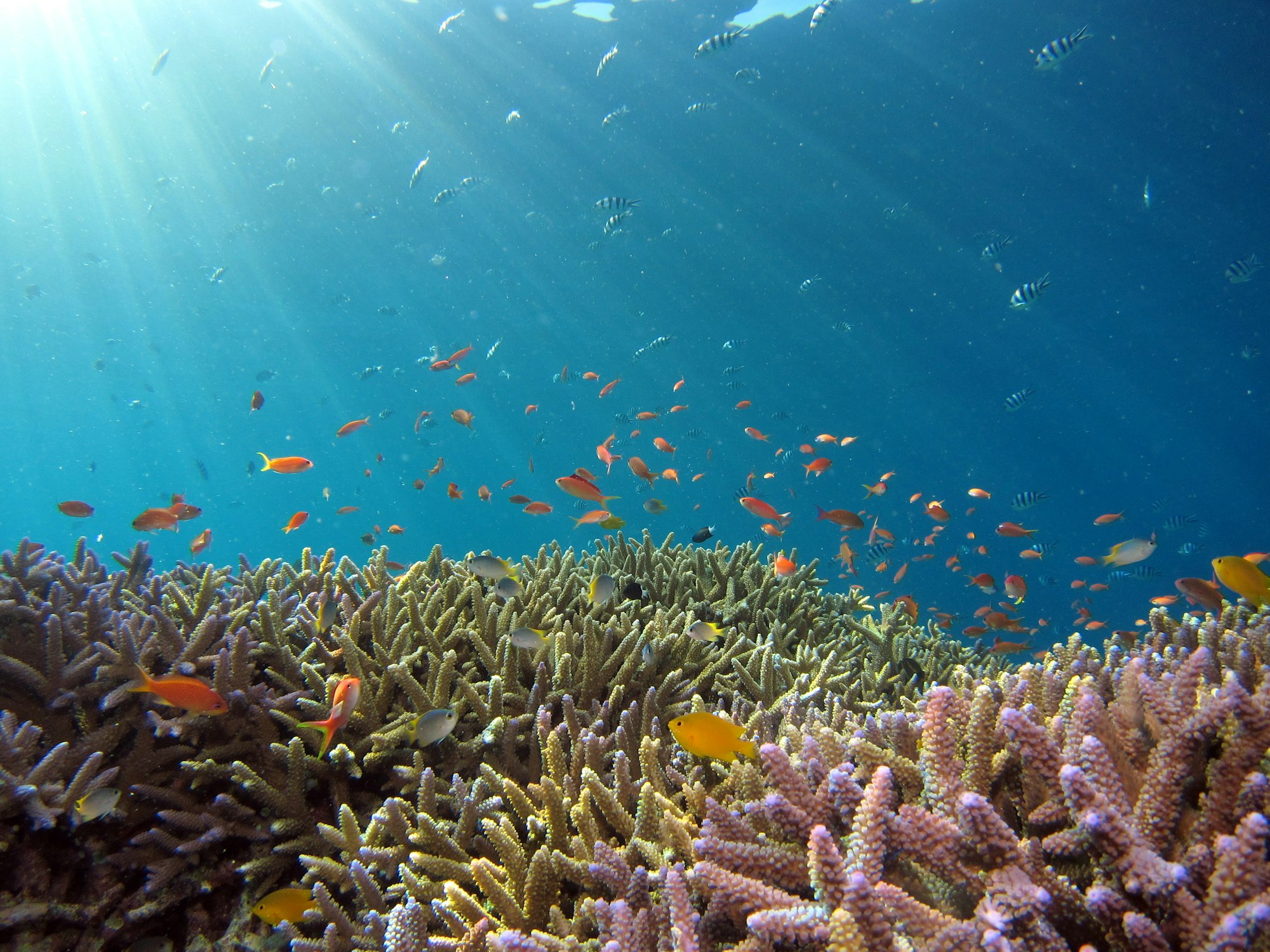
Grey reef sharks patrol the base of the pinnacle when current is running — they are attracted by the concentrated fish life and appear reliably in late afternoon dives. Cleaning stations occupy the middle section of the pinnacle at 10–15 metres, with resident cleaner wrasse servicing groupers and moray eels. Reef octopuses inhabit the base crevices and are reliably found during slow, careful circumnavigation of the pinnacle base at 18–20 metres. Lionfish shelter in the overhanging sections. Schools of anthias and glassfish cover the upper pinnacle faces.
Dive Profile
Descend to the base of the pinnacle at 18–20 metres and circle the full perimeter looking for octopuses in the crevices and moray eels in the deeper cavities. Ascend to the cleaning station zone at 10–15 metres for stationary observation. The upper pinnacle faces at 5–10 metres provide the best natural light and the highest fish density. Safety stop at 5 metres at the pinnacle summit.
Entry and Exit
Day boat from Hurghada (30–50 minutes). Giant stride entry. Often combined with Erg Somaya for a two-erg day dive. SMB deployment before ascending.
Tips and Recommendations
- Afternoon dives on Erg Sabina tend to produce better grey reef shark activity than morning dives
- At the base, look in every crevice for octopuses — they are present but well-camouflaged against the coral rubble
- Station yourself at the cleaning station at 12 metres and remain completely still — moray eels will hold position for extended cleaning sessions
- Night dives here are excellent — the octopuses and moray eels are most active after dark
Safety Considerations
Standard erg dive hazards apply: current wrapping around the isolated structure, scorpionfish and lionfish contact hazards on the reef face, and fire coral on the upper pinnacle. Maintain good buoyancy to avoid damaging the coral structure. SMB before ascending.
Photography
Cleaning station portraits — moray eels mid-clean — at 12–15 metres are the most distinctive images at Erg Sabina. Octopus portraits in the base crevices reward a macro approach with external torch. The upper pinnacle in morning light suits ambient close-focus wide-angle for reef fish portraits.
Sources: Divezone - Red Sea, Dive the World - Egypt Red Sea, Red Sea Scuba Diving, PADI - Diving in Egypt. Last updated 2026-04-04.
Sea-surface temperature and wave height from Open-Meteo Marine (ERA5 reanalysis, monthly averages).
290 verified species observations (241 species) logged within ~11 km of this site between 1833 and 2011, from the Ocean Biodiversity Information System.
- Tursiops aduncus · Indian ocean bottlenose dolphin
- Sousa chinensis · Chinese white dolphin
- Megaptera novaeangliae · Humpback whale
- Amblygobius albimaculatus
- Amphiprion bicinctus
- Hipposcarus harid
- Rhincodon typus · Whale Shark
- Gobiodon
- Grampus griseus · Risso's dolphin
- Corythoichthys flavofasciatus
- Chlorurus sordidus
- Apogon coccineus
Scientific survey records skew toward sampled taxa (molluscs, corals) and do not reflect what you are guaranteed to see on a dive.
Source: OBIS (obis.org), aggregated Darwin Core occurrence records.
Conditions change with the tide and the season. If you have dived this site, share what it was actually like — date, visibility, current, and what you saw. Real, recent reports from divers are exactly what this guide is built to collect.
Send a conditions report ›