Erg Somaya
27.1983°N 33.9841°E · reef
Erg Somaya
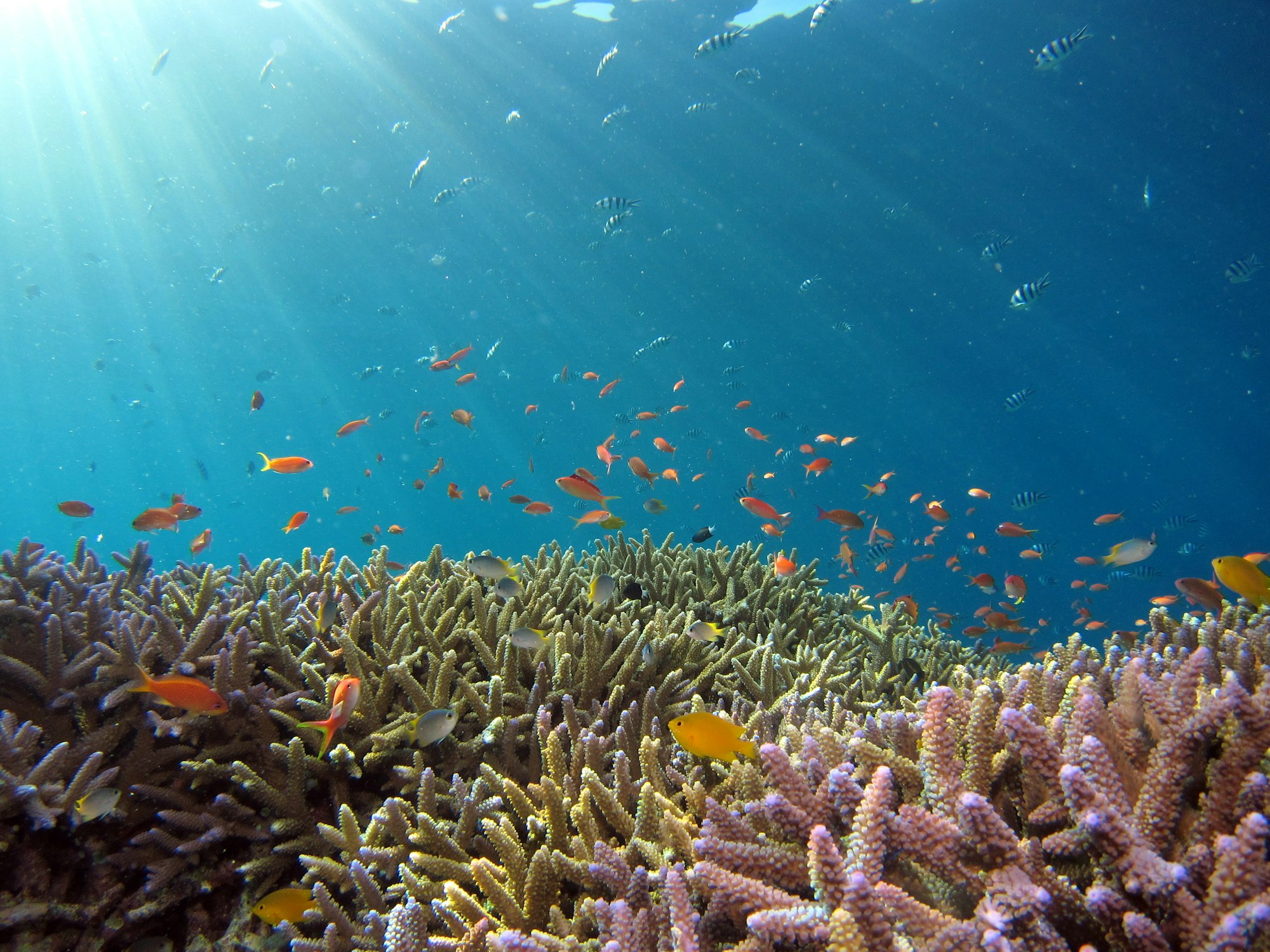
A named coral pinnacle in the Hurghada day-trip zone — a well-structured erg with anemone fields on the upper section, dense moray eel populations, and an exposed southeast face that attracts patrolling sharks.
Overview
Erg Somaya is an isolated coral pinnacle at approximately 27.20°N, 33.98°E in the offshore zone between Hurghada and Makadi Bay, slightly east of Erg Sabina and at a similar depth range. Somaya is a common Arabic female name — like many erg sites in this area, it is identified by local naming traditions rather than geographic features. The pinnacle rises from a sandy bottom at 18–20 metres to a summit at approximately 6–8 metres and carries an anemone field on the upper sections — which concentrates clownfish and the associated cleaning activity. It is a productive dive site for both macro subjects and larger reef species, and is commonly dived on the same day as Erg Sabina.
Site Information
- Location: Hurghada offshore zone, central Egyptian Red Sea (~27.20°N, 33.98°E)
- Entry Type: Boat dive
- Site Type: Reef
- Difficulty Level: Intermediate
- Maximum Depth: 20 meters
- Typical Visibility: 15–25 meters
- Current: Mild to moderate
- Best Time: Year-round; October to May optimal
Marine Life
The anemone field on the upper pinnacle hosts multiple clownfish pairs and associated cleaning activity. Moray eels are abundant throughout the base of the pinnacle — both giant moray and undulate moray species are regularly observed. Grey reef sharks patrol the southeastern, more exposed face of the erg. Blue-spotted stingrays rest on the sandy floor around the base. Scorpionfish on the deeper sections of the pinnacle are reliably found in the same positions on successive dives. Glassfish schools occupy the shadowed undersides of the reef structure.
Dive Profile
Descend to the base at 18–20 metres and immediately check the southeastern face for grey reef shark presence. Circle the full base before ascending to the moray eel zone at 12–15 metres. The anemone field at 6–8 metres provides the mid-dive highlight before the safety stop at 5 metres at the pinnacle top. The dive covers three distinct habitat zones: sandy base, coral mid-section, and anemone summit.
Entry and Exit
Day boat from Hurghada (30–50 minutes). Giant stride entry. Often dived as the second dive of a two-erg day after Erg Sabina. SMB deployment before ascending.
Tips and Recommendations
- Check the southeast face first on descent — this is the shark patrol section
- The anemone field at 6–8 metres warrants 10 minutes of observation — clownfish behaviour and cleaning activity is sustained here
- Take time at the base to identify all moray eel dens — note species before ascending so each section can be photographed on the return
- Night dives at Erg Somaya produce exceptional moray eel activity — hunting behaviour on the sand is consistently observed
Safety Considerations
Current wrapping around the isolated pinnacle can be unexpectedly strong on the exposed southeastern face — monitor drift at all times. Scorpionfish in the deep sections are a contact hazard. Fire coral on the anemone section at 6–8 metres. SMB mandatory before ascending.
Photography
The anemone field portrait subjects — clownfish in anemone with the blue water background — are the signature image at Erg Somaya. Moray eel portraits at the base crevices reward macro technique with external torch. The southeast face shark patrol shots require positioning at depth with the open-ocean background.
Sources: Divezone - Red Sea, Dive the World - Egypt Red Sea, Red Sea Scuba Diving, PADI - Diving in Egypt. Last updated 2026-04-04.
Sea-surface temperature and wave height from Open-Meteo Marine (ERA5 reanalysis, monthly averages).
86 verified species observations (70 species) logged within ~11 km of this site between 1833 and 2010, from the Ocean Biodiversity Information System.
- Amblygobius albimaculatus
- Amphiprion bicinctus
- Hipposcarus harid
- Gobiodon
- Tursiops aduncus · Indian ocean bottlenose dolphin
- Grampus griseus · Risso's dolphin
- Corythoichthys flavofasciatus
- Chlorurus sordidus
- Megaptera novaeangliae · Humpback whale
- Apogon coccineus
- Salarias fasciatus
- Meiacanthus nigrolineatus
Scientific survey records skew toward sampled taxa (molluscs, corals) and do not reflect what you are guaranteed to see on a dive.
Source: OBIS (obis.org), aggregated Darwin Core occurrence records.
Conditions change with the tide and the season. If you have dived this site, share what it was actually like — date, visibility, current, and what you saw. Real, recent reports from divers are exactly what this guide is built to collect.
Send a conditions report ›