Fandera Hemera
23.3864°N 35.7560°E · reef
Fandera Hemera
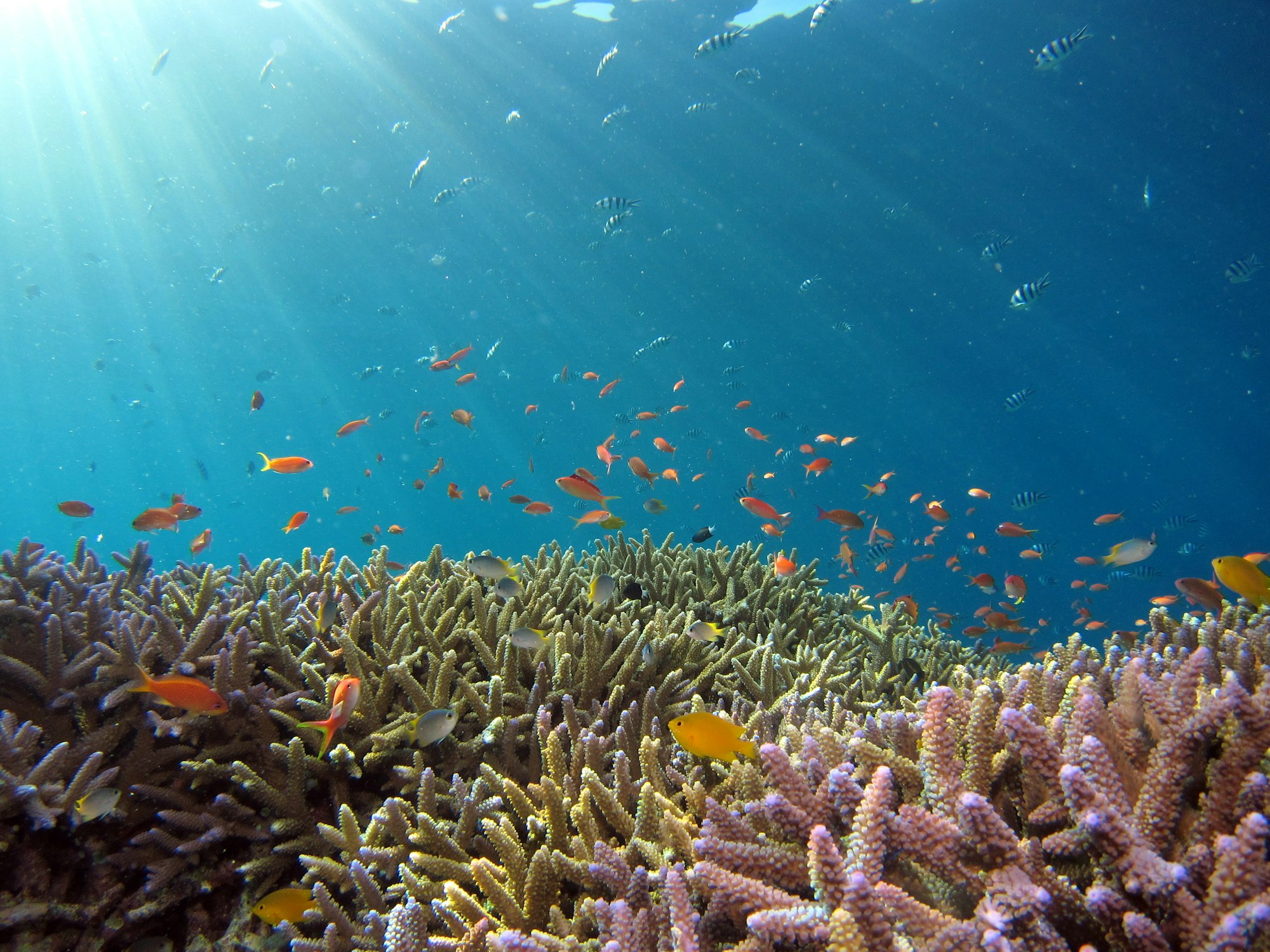
A remote offshore reef in the St. John’s area — one of the furthest-south accessible reefs on the Egyptian Red Sea day-trip range, with pristine coral gardens, pelagic visitors, and an undisturbed quality that reflects its distance from mainstream dive centres.
Overview
Fandera Hemera sits at approximately 23.39°N, 35.76°E in the southern Egyptian Red Sea, in the St. John’s Reef / southern Fury Shoals territory — deep into the zone where day-trip access from Marsa Alam represents the limit of the area’s operators. The name “Hemera” (Greek for “day”) may reflect a naming tradition by a Greek or international dive operator who worked in this area. The reef occupies an offshore position accessible on extended day trips or as part of liveaboard itineraries, and it shares the general characteristics of the Fury Shoals and St. John’s systems: clear water, healthy coral, and limited diver pressure. The site provides a comprehensive reef dive with wall, slope, and sandy sections in good vertical range.
Site Information
- Location: Southern Egyptian Red Sea, St. John’s/Fury Shoals area (~23.39°N, 35.76°E)
- Entry Type: Boat dive
- Site Type: Reef
- Difficulty Level: Intermediate
- Maximum Depth: 20 meters
- Typical Visibility: 20–30 meters
- Current: Mild to moderate
- Best Time: October to May
Marine Life
The undisturbed status of Fandera Hemera rewards patient observation with fish that are less spooked than at mainstream sites. Grey reef sharks patrol the outer reef slope. Dense anthias and chromis clouds cover the reef crest in morning dives. Hawksbill turtles rest on the platform. The sandy slope below the main reef structure holds blue-spotted rays and goby-shrimp pairs. Moray eels are distributed throughout. Schools of barracuda patrol in open water. The hard coral coverage is characteristic of the St. John’s zone — table corals and brain corals in excellent condition.
Dive Profile
Descend on the sheltered face and work to the outer reef edge at 12–18 metres. Scan the outer slope for grey reef sharks before ascending the reef face and transitioning to the sandy slope at 15–18 metres for macro exploration. Complete the dive at the upper reef crest at 5–8 metres. Safety stop at 5 metres over the reef top.
Entry and Exit
Extended day trip from Marsa Alam (80–100 minutes each way at speed) or liveaboard. Giant stride entry. Pair with other St. John’s or southern Fury Shoals reefs for a comprehensive southern Egyptian day. SMB deployment before ascending.
Tips and Recommendations
- The relative lack of diver pressure makes fish behaviour noticeably different from northern sites — approach slowly for close encounters
- The outer reef edge in the afternoon provides the best grey reef shark activity
- Use as an anchor point for a two-dive day that includes other St. John’s area reefs
Safety Considerations
Offshore position requires SMB on all ascents. Current on the outer face should be assessed. Remote location increases response time for any emergency. Dive within conservative limits.
Photography
Undisturbed fish populations in clear water provide the best ambient reef photography conditions of any regularly-accessible Egyptian site. The coral tables and brain corals in excellent condition suit close-focus wide-angle in natural morning light.
Sources: Divezone - Red Sea, Dive the World - Egypt Red Sea, Red Sea Scuba Diving, PADI - Diving in Egypt. Last updated 2026-04-04.
Sea-surface temperature and wave height from Open-Meteo Marine (ERA5 reanalysis, monthly averages).
19 verified species observations (5 species) logged within ~11 km of this site between 2005 and 2012, from the Ocean Biodiversity Information System.
- Stenella attenuata · Pantropical spotted dolphin
- Stenella longirostris · Spinner dolphin
- Tursiops aduncus · Indian ocean bottlenose dolphin
- Tursiops truncatus · Common bottlenose dolphin
- Balaenoptera edeni · Eden's whale
Scientific survey records skew toward sampled taxa (molluscs, corals) and do not reflect what you are guaranteed to see on a dive.
Source: OBIS (obis.org), aggregated Darwin Core occurrence records.
Conditions change with the tide and the season. If you have dived this site, share what it was actually like — date, visibility, current, and what you saw. Real, recent reports from divers are exactly what this guide is built to collect.
Send a conditions report ›