Fanous East
27.2677°N 33.8875°E · reef
Fanous East
A beginner-friendly offshore reef east of Hurghada with a sheltered sandy bowl, anemone gardens on the shallower sections, and the protective character that makes it a go-to site for first-time Red Sea divers and training groups.
Overview
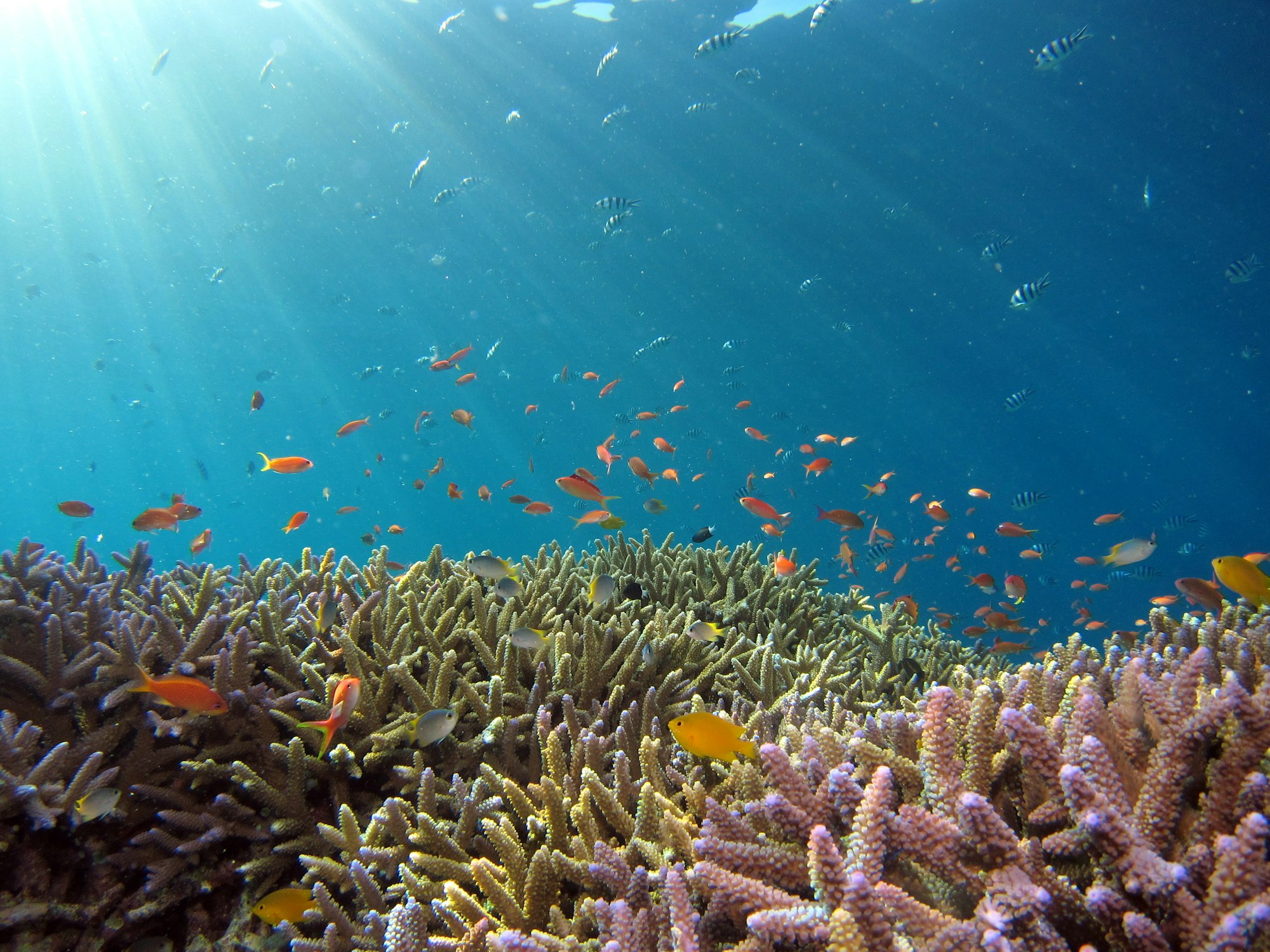
Fanous East is located at approximately 27.27°N, 33.89°E in the offshore zone east of Hurghada — one of the calmer, shallower sites in the Hurghada day-boat range. “Fanous” (فانوس) means “lantern” in Arabic, and the Fanous reef complex includes both eastern and western sections. The eastern section maxes out at 19 metres and is characterised by a sheltered orientation and gentle topography that suits beginners and newly-certified divers. The reef structure features a shallow terrace with a sandy bowl, anemone gardens, and a fringing reef edge. It is frequently used as a training site and for divers on their first-ever Red Sea experience.
Site Information
- Location: Offshore Hurghada, central Egyptian Red Sea (~27.27°N, 33.89°E)
- Entry Type: Boat dive
- Site Type: Reef
- Difficulty Level: Beginner
- Maximum Depth: 19 meters
- Typical Visibility: 15–20 meters
- Current: Generally mild; sheltered site
- Best Time: Year-round
Marine Life
Anemones with resident clownfish dominate the shallower sections of the reef — multiple clownfish species are present in this area, making Fanous East a reliable site for clownfish photography. Blue-spotted stingrays rest in the sandy bowl. Moray eels in the reef crevices. Schools of anthias over the reef crest at 5–8 metres. Turtles are occasionally sighted resting on the reef surface. The fish diversity is good for a beginner site — butterflyfish, surgeonfish, and wrasse throughout.
Dive Profile
This is a simple, accessible dive profile suited to beginners. Descend to the sandy bowl at 12–15 metres and explore the bowl area for stingrays and macro subjects. Move to the anemone gardens at 8–10 metres — the most photogenic and biologically active section. Complete the dive on the shallow reef crest at 4–6 metres. Safety stop at 5 metres over the reef top in excellent ambient light.
Entry and Exit
Day boat from Hurghada (20–30 minutes). Giant stride entry into calm water. Often used as the second dive of a two-dive day for newly-certified divers after a more demanding morning dive. SMB deployment before ascending.
Tips and Recommendations
- The anemone gardens are the site’s highlight — spend time here observing clownfish behaviour and resident cleaning wrasse
- The sandy bowl at 12–15 metres is less demanding than the open reef and rewards careful searching for flatfish and stingrays
- Ideal as a first Red Sea dive for new certifications — the calm conditions build confidence before tackling more exposed sites
- Pair with Fanous West (the adjacent section) for maximum coverage of the Fanous reef complex
Safety Considerations
Conditions are generally benign — this is one of Hurghada’s calmer sites. Primary hazards: fire coral on the reef crest; urchins in crevices. Monitor air carefully for new divers. SMB before ascending.
Photography
Clownfish-in-anemone portraits are the signature subject at Fanous East — the multiple anemone colonies provide many opportunities for different compositions. The sandy bowl macro work suits a beginner photographer learning reef photography fundamentals. The shallow reef crest in good ambient light is excellent for natural-light fish portraits.
Sources: Divezone - Red Sea, Dive the World - Egypt Red Sea, Red Sea Scuba Diving, PADI - Diving in Egypt. Last updated 2026-04-04.
Sea-surface temperature and wave height from Open-Meteo Marine (ERA5 reanalysis, monthly averages).
752 verified species observations (321 species) logged within ~11 km of this site between 1758 and 2025, from the Ocean Biodiversity Information System.
- Tursiops aduncus · Indian ocean bottlenose dolphin
- Sousa chinensis · Chinese white dolphin
- Cheilinus trilobatus
- Anyperodon leucogrammicus
- Pomacentrus trilineatus
- Chaetodon fasciatus
- Haliophis guttatus
- Coris variegata
- Gobiodon
- Apogonichthyoides timorensis
- Zebrasoma velifer
- Halichoeres scapularis
Scientific survey records skew toward sampled taxa (molluscs, corals) and do not reflect what you are guaranteed to see on a dive.
Source: OBIS (obis.org), aggregated Darwin Core occurrence records.
Conditions change with the tide and the season. If you have dived this site, share what it was actually like — date, visibility, current, and what you saw. Real, recent reports from divers are exactly what this guide is built to collect.
Send a conditions report ›